South Sudan Famine Emergency Deepens as Aid Agencies Sound the Alarm
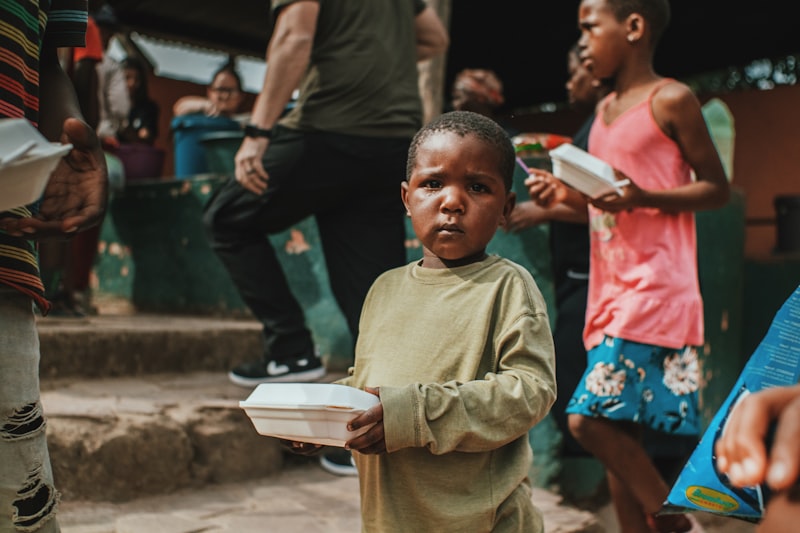
Aid agencies operating in South Sudan are warning that the country’s famine situation is deteriorating faster than anticipated, with relief organizations saying current funding levels are critically insufficient to prevent widespread loss of life through the lean season.
The Integrated Food Security Phase Classification (IPC) — the leading global standard for measuring food insecurity — has confirmed that parts of Unity State and the Greater Pibor Administrative Area are already in Phase 5, the most severe classification, denoting famine conditions. An estimated 1.5 million people in these areas face acute food shortages.
Why the Crisis Is Worsening
South Sudan’s food security collapse is the result of compounding factors: the aftereffects of the 2023-2024 floods that displaced hundreds of thousands, ongoing intercommunal violence that disrupts farming, rising inflation that makes imported food unaffordable, and access restrictions that prevent aid workers from reaching the most remote communities.
The World Food Programme (WFP) says its operations in South Sudan are currently funded at just 38 percent of what is needed for the April-to-September lean season. “We cannot reach everyone with the resources we have,” said WFP Country Director in Juba. “Every day we are making impossible choices about who gets food and who doesn’t.”
The UN Office for the Coordination of Humanitarian Affairs (OCHA) has issued an emergency appeal for $1.4 billion to cover the most urgent needs through the end of 2026. So far, only a fraction has been pledged.
Children Bear the Brunt
Humanitarian workers report that severe acute malnutrition among children under five is reaching emergency thresholds in several counties. Medecins Sans Frontières (MSF) has described the situation in some feeding centers as “overwhelming,” with patient intake exceeding capacity by wide margins.
South Sudan’s conflict has also disrupted traditional coping mechanisms. Markets that once provided food to surrounding communities have been destroyed or rendered inaccessible by violence. Cattle raiding — a longstanding practice in some regions — has intensified, further destabilizing food systems.
International Response Falls Short
Despite repeated appeals from the UN and NGOs, donor funding for South Sudan has been declining in relative terms, even as needs have grown. Aid workers say donor fatigue — fueled by years of instability and slow progress toward peace — is making it harder to mobilize resources for what many describe as one of the world’s most neglected crises.
“We are watching people die in real time,” said one humanitarian official who asked not to be identified due to security concerns. “And the world is largely looking away.”
The South Sudan government has called for increased international support but faces criticism from opposition groups who say it has not done enough to end the cycles of violence that perpetuate food insecurity.