Zambia’s Pan-African Identity Confronts Hard Questions About Everyday Racism

Zambia prides itself on being a beacon of African nationalism — the birthplace of pan-Africanism’s golden era, a nation founded by liberation leaders who fought to end colonial domination and empower the black majority. Yet a wave of personal testimonies collected by the BBC in late April 2026 reveals a more complicated picture: several black Zambians say they experience subtle but persistent discrimination in their own country, sometimes feeling like second-class citizens in their own homeland.
The accounts — of restaurants where service was denied, jobs where black Zambians were passed over, and queues where whiteness appeared to confer automatic privilege — have triggered a national conversation that the government has tried to silence but cannot escape.
Stories From the Ground
Alexander Bwalya, a black Zambian who asked the BBC not to use his real name, recounted visiting a wine bar in Lusaka with friends. After being told the expensive bottles they ordered were out of stock, they watched as a white family arrived and was immediately offered the same bottles. When he complained, he says the manager told him and his friends to leave. During the argument, he says a white manager directed a racial slur at his black friend.
Bwalya said he did not report the incident to police because he felt it would not be taken seriously.
Omar Chanshi, a 37-year-old marketing professional, told the BBC that structural barriers prevent black Zambians from accessing certain contracts and opportunities. Forget trying to show whether you are the best or most qualified person — you just do not have access. – Omar Chanshi
Property manager Malama Muleba described how landlords and property managers assess potential tenants through a racial lens. If a person’s skin colour is white, people look at it and see stability. He added that stereotypes about other ethnic groups were common in his industry.
The Historical Context
Zambia’s founding president, Kenneth Kaunda, came to power in 1964 with a deliberate mission: to dismantle the colonial order that had reserved skilled, high-paid jobs for white settlers, restricted black Zambians’ movement, and segregated schools and hospitals. Kaunda’s Zambianisation policy replaced white executives in key industries with black ones, and he championed independence movements across Southern Africa.
But historians say the suppression of overt discrimination may have simply driven it underground. Dr. Victoria Phiri Chitungu, a historian and director of the Livingstone Museum, told the BBC that Kaunda’s stance made the obvious racist signs unacceptable. People started conforming to behave in ways that would not show racism. That does not mean it is now absent. – Dr. Victoria Phiri Chitungu
Historian Chanda Penda went further, theorizing that deference to whiteness was embedded in the region long before independence. He pointed to the legend of Luchele — a mystical white figure who supposedly helped ancestors establish kingdoms. When 19th-century colonialists and missionaries arrived, communities that had never seen white people interpreted them through this legend, treating them with reverent deference. This high esteem for white people — this racial imbalance — has been passed down from history. – Historian Chanda Penda
A Government in Denial
Zambia’s government spokesperson, Cornelius Mweeta, rejected the notion that racism was a problem in the country. I will challenge any citizen out there to state that racism is a problem in Zambia. If there is somebody who has said that is a problem, I think perhaps they just wanted to sensationalise. Everyone is living harmoniously.
Yet evidence contradicts the official narrative. In January 2026, an employment firm called Recruitment Matters posted a job advertisement explicitly stating THIS ROLE IS CURRENTLY NOT OPEN TO ZAMBIAN NATIONALS; WE ARE LOOKING FOR EXPATS OR FOREIGN RESIDENTS IN ZAMBIA. After widespread backlash, the firm apologized and acknowledged the wording was inappropriate.
A National Reckoning
Many Zambians who spoke to the BBC said they recognized the intersection between race and wealth — that it was often assumed non-black people had money and were therefore entitled to better treatment. One recurring theme was queues: multiple interviewees described situations where white patrons were served before black Zambians who had arrived earlier.
Adrian Scarlett, a white British man married to a black Zambian, has built a following of over 520,000 across Facebook and TikTok documenting racial inequality in Zambia under the alias Bye Bye Fatman. He says some white friends have distanced themselves from him as a result, but black Zambians’ response has been overwhelmingly positive.
Several Zambians who spoke to the BBC expressed cautious optimism that the conversation — however uncomfortable — was a sign of progress. Bwalya says he is glad people are talking about race more openly and hopes it eventually leads to a reawakening of Kaunda’s original vision: a nation founded on genuine equality, not just rhetorical anti-colonialism.
For now, the gap between Zambia’s founding ideals and its lived reality remains wide — and, increasingly, impossible to ignore.
More From Politics & Governance
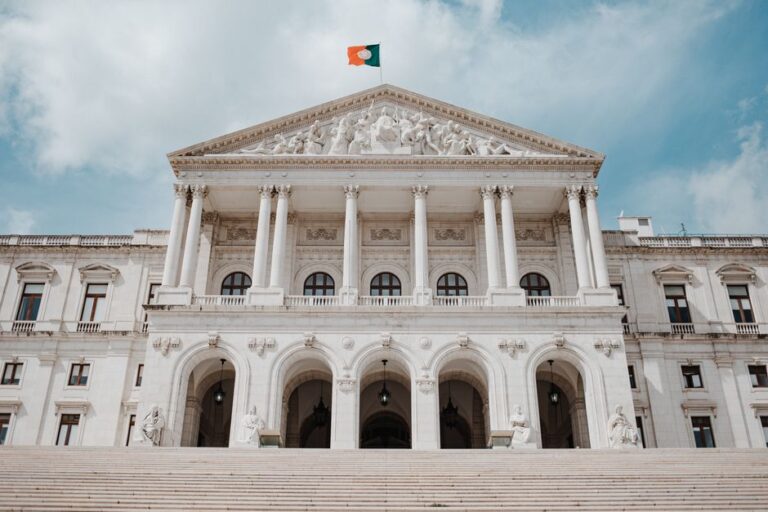
Khalida Boufedeche becomes Algeria’s first woman parliamentary speaker
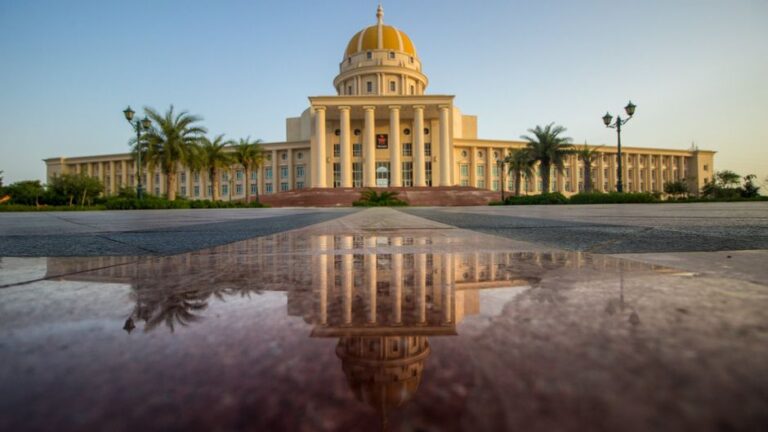
Chad Moves to Quit International Criminal Court, Citing Concerns Over African Focus