Year Four of Sudan’s Civil War: The World’s Largest Humanitarian Catastrophe You’ve Never Heard Of
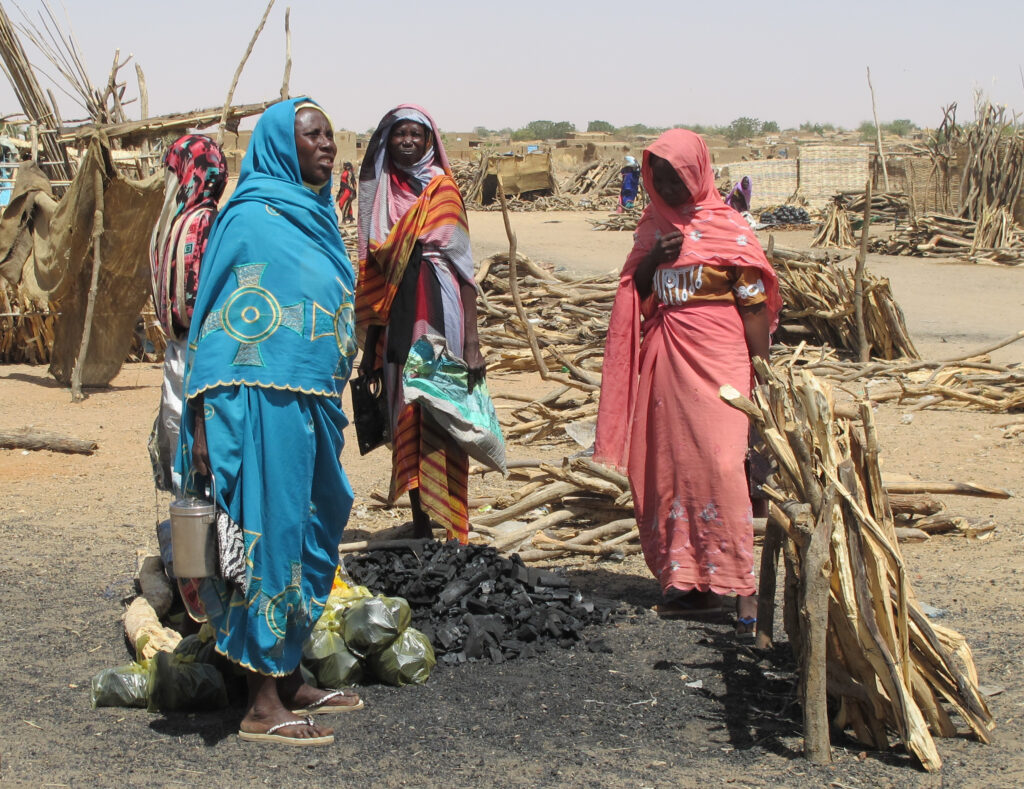
In April 2023, two generals — General Abdel Fattah al-Burhan of the Sudanese Armed Forces and General Mohamed Hamdan Dagalo of the Rapid Support Forces — turned their guns on each other, shattering whatever remained of Sudan’s fragile democratic transition. What followed was not just another African conflict. By every measurable metric — lives lost, people displaced, children starving, hospitals destroyed — Sudan’s civil war has become the worst humanitarian crisis on earth. And it is barely a headline in most of the world.
Four years on, in April 2026, the conflict shows no sign of ending. An estimated 4.5 million people have been forcibly displaced just since the start of 2026, adding to the millions already displaced in the first three years of the war. Total displacement since April 2023 now exceeds 15 million people — a number roughly equivalent to the entire population of the Netherlands, gone from their homes.
The Numbers That Defy Comprehension
The UN’s Global Humanitarian Overview for 2026 describes Sudan as “the world’s largest hunger, displacement, and protection crisis.” More than 4 million Sudanese refugees have fled to seven neighboring countries, overwhelming aid infrastructure in Chad, South Sudan, Egypt, Ethiopia, and the Central African Republic. Inside Sudan, an estimated 24 million people — more than half the population — face acute food insecurity. In parts of Darfur and Kordofan, famine conditions have been formally declared by the Integrated Food Security Phase Classification initiative.
Children have been killed not just by bullets and bombs, but by hunger. The UN World Food Programme has warned that without a significant scaling of aid delivery — and without secured humanitarian corridors — parts of Sudan will see starvation deaths on a scale not witnessed since the 1980s Ethiopian famine, though the geopolitical attention paid to that crisis vastly exceeded what Sudan receives today.
The RSF and the SAF: Two Men, One Country, Zero Compromise
The conflict is rooted in a power struggle between two military factions that jointly staged a coup in 2021, derailing Sudan’s brief democratic opening after the ouster of Omar al-Bashir. Al-Burhan controls the official Sudanese Armed Forces; Dagalo’s Rapid Support Forces emerged from the Janjaweed militia that earned infamy in the Darfur genocide of the early 2000s. Both men have refused meaningful negotiation. Multiple ceasefire agreements have collapsed within days of signing.
The RSF has been accused of systematic atrocities, including targeted attacks on civilians along ethnic lines, mass sexual violence used as a weapon of war, and the deliberate destruction of healthcare infrastructure. The SAF has been accused of aerial bombardment of civilian areas in Khartoum and Darfur. Neither faction has demonstrated meaningful commitment to protecting civilians.
Aid in the Crossfire: The Infrastructure of Suffering
The deliberate targeting of humanitarian workers and infrastructure has compounded the catastrophe. The World Health Organization has documented over 70 attacks on health facilities since the start of 2026 alone. Aid convoys are routinely delayed, looted, or denied passage at checkpoints controlled by either faction. The UN has described the bureaucratic obstruction of aid delivery as “a tool of war” deployed by both sides.
The Silence Is the Story
Why does Sudan receive so little global attention? Observers point to several factors: no major Western governments have direct strategic interests at stake, there is no diaspora community large enough to sustain advocacy pressure, and the conflict does not intersect with the narratives — terrorism, great power competition, energy security — that typically drive international media coverage.
What Sudan does have is 24 million people who need help, 4 million children at imminent risk of famine, and a war that is, by the UN’s own formal assessment, the most severe humanitarian disaster on the planet. Year four has begun. The world, for now, is looking elsewhere.
More From Conflict & Security

The anxious money wait: Why African soccer fans dread payment disputes before major tournaments like the Fifa World Cup
How the US-Israel-Iran conflict is reshaping South Africa’s coal exports