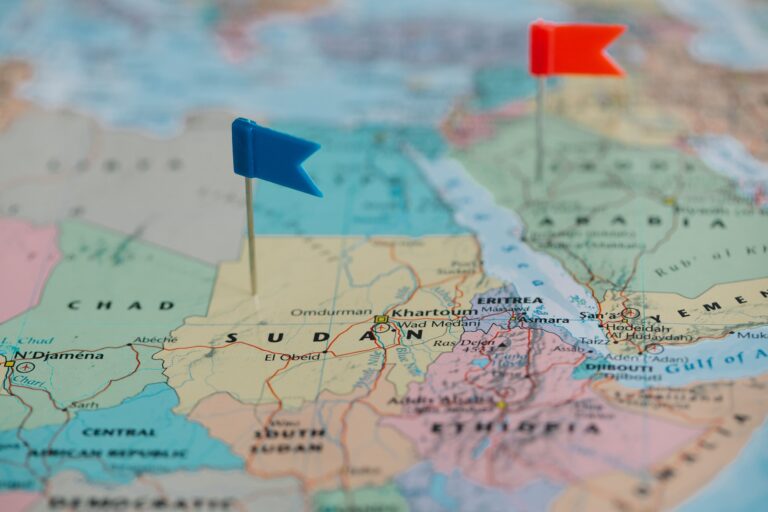
Anti-France Influencer Kemi Seba Arrested in South Africa, Faces Extradition to Benin
Kemi Seba, the French-born Beninese activist who built a social media empire built on fierce anti-French sentiment and open admiration for Russia’s expanding influence in West Africa, was arrested in South Africa on Monday, April 14, 2026, setting in motion what could become one of the region’s most politically charged extradition proceedings.
South African police said Seba — whose birth name is Stellio Gilles Robert Capo Chichi — was apprehended at a Pretoria shopping center alongside his 18-year-old son and a third man accused of facilitating illegal border crossings. A police statement said the group had been paid approximately R250,000 to be smuggled across the Limpopo River into Zimbabwe en route to Europe.
Benin, which issued an international arrest warrant for Seba in December 2025, wants him extradited to face charges of “inciting rebellion” and “justifying crimes against state security” — offenses tied to his public support for a foiled coup attempt in Benin on December 7, 2025. Mutinous soldiers that day claimed on national television to have overthrown President Patrice Talon before the military, with logistical support from Nigeria and France, put the uprising down within hours.
In a video posted on social media immediately after the coup attempt, Seba declared it “the day of liberation” for Benin — a declaration that authorities say crosses the line from political opinion into criminal incitement. The warrant for his arrest was issued twelve days later.
The political complexity of the case is considerable. Seba, born in France to Beninese parents, was stripped of his French nationality in 2024 following multiple convictions for incitement to racial hatred and anti-Semitic speech. He now holds a passport from Niger — granted by the military junta that seized power in a 2023 coup — and has openly aligned himself with the three Sahel juntas in Mali, Burkina Faso, and Niger that have expelled French troops and deepened ties with Moscow.
His 1.5 million social media followers across multiple platforms have made him one of the most influential voices of anti-Western sentiment on the continent — and one of the most controversial. Western governments have repeatedly described him as a vector for Russian disinformation. French intelligence agencies investigated him for alleged links to the Wagner Group, the Russian paramilitary organization now active across several African conflict zones; he was briefly detained in France in 2024 before being released without charge.
Within West Africa, views of Seba are sharply divided. To his supporters — many of them young people angry at the perceived failures of French-backed governments — he is a courageous voice for Pan-African liberation. To governments in Benin, Nigeria, and Ivory Coast, he is a dangerous agitator who exploits digital platforms to destabilize elected governments.
The South African extradition process could take weeks or months. Benin’s presidency has dispatched a delegation to Pretoria to “handle the formalities” of his return. Seba’s lawyers have filed challenges to the extradition request and say they will argue he faces political persecution rather than legitimate criminal prosecution.
What is not in doubt is that the man who styled himself as a revolutionary against French influence on the continent now finds himself trapped in a legal machinery he cannot social-media his way out of — facing a government in Cotonou that has made clear it intends to try him.
Image: Pixabay (Free commercial use)
More From Politics & Governance

At inaugural lecture, Prof Adeniyi calls for stronger digital governance amid technological shifts in migration
Nigeria’s economic reforms yielding gains, but poverty levels remain high – IMF