Africa’s electricity access gap persists amid investment shortfall
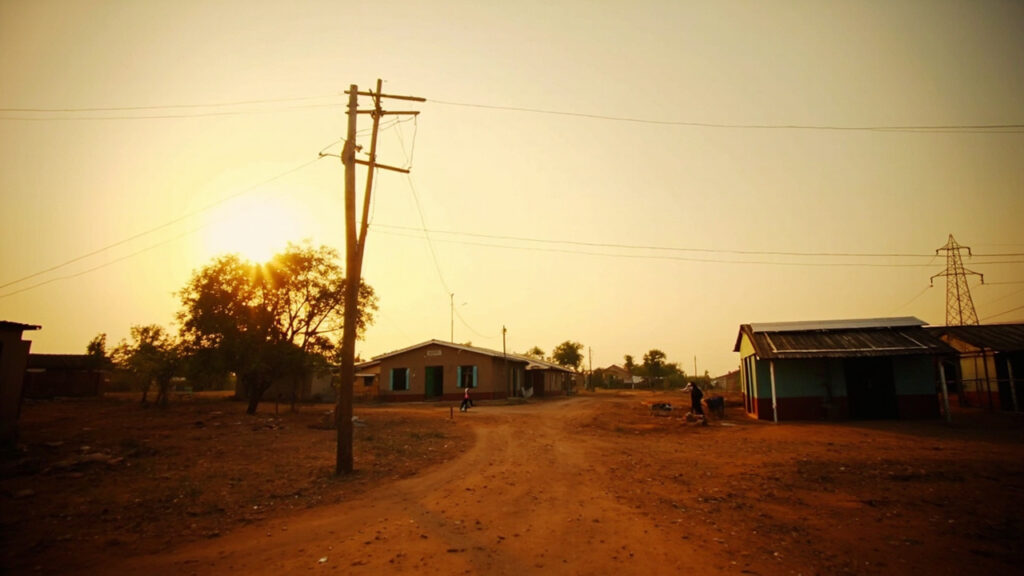
Nearly 600 million people across Africa still live without electricity, according to Semafor, underscoring how the continent’s energy access gap has persisted even as overall connectivity has improved over the past decade.
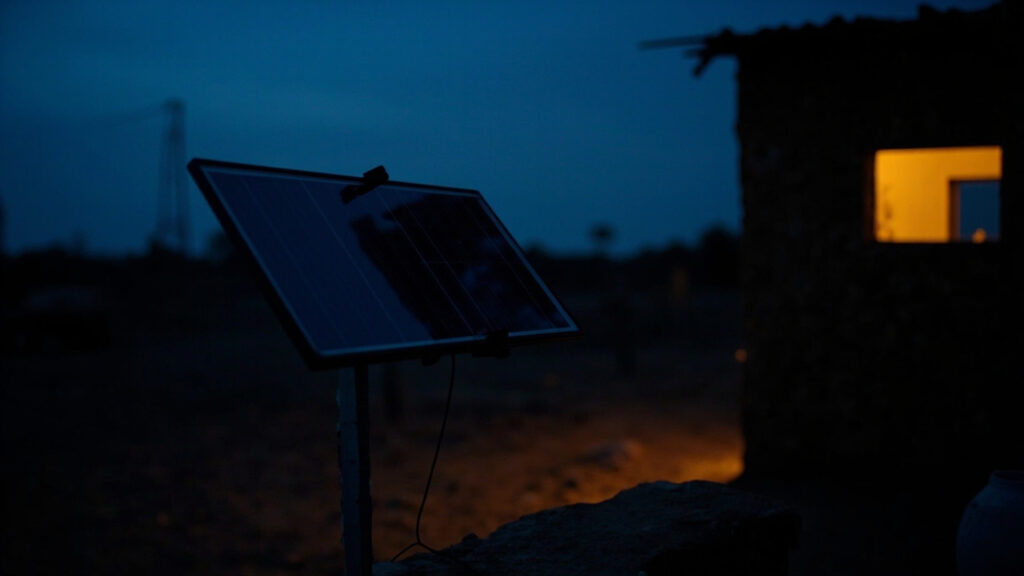
The figures highlight a longstanding challenge for sub-Saharan Africa, which for years has registered the lowest electrification rates of any world region. While countries such as Kenya, Ghana, Rwanda and South Africa have made notable gains in extending grid coverage, large parts of the continent — particularly rural and peri-urban areas — continue to rely on kerosene, diesel generators or simply no power at all. The disparity between urban and rural access remains particularly stark in many countries.
According to Semafor, the shortfall is widely attributed to insufficient investment flowing into generation, transmission and distribution infrastructure. Multilateral lenders, including the World Bank and the African Development Bank, have repeatedly flagged the financing gap, and renewable energy advocates have pointed to off-grid solar and mini-grid solutions as a more cost-effective route to reaching remote communities than extending national grids.
The challenge sits at the centre of broader development goals. The African Union’s Agenda 2063 and the United Nations’ Sustainable Development Goal 7 both envision universal energy access on the continent, with African governments and international donors framing electrification as foundational to economic growth, healthcare delivery and education. In recent years, private capital and development finance institutions have played a growing role in funding utility-scale solar and wind projects, though critics argue that the pace of investment remains well below what is needed.
Without a significant scaling up of public and private financing, analysts warn that hundreds of millions of Africans will remain cut off from the grid, limiting opportunities for industrialisation, job creation and improved living standards well into the coming decade.
Sources
This report was written from coverage published by the following news organisations. Follow the links for the original reporting.