UNICEF Warns That Aid Cuts Are Jeopardising Essential Services for Somali Children

The United Nations children’s agency UNICEF has warned that reductions in humanitarian funding are putting essential services for children in Somalia at risk, according to 8AM Media.
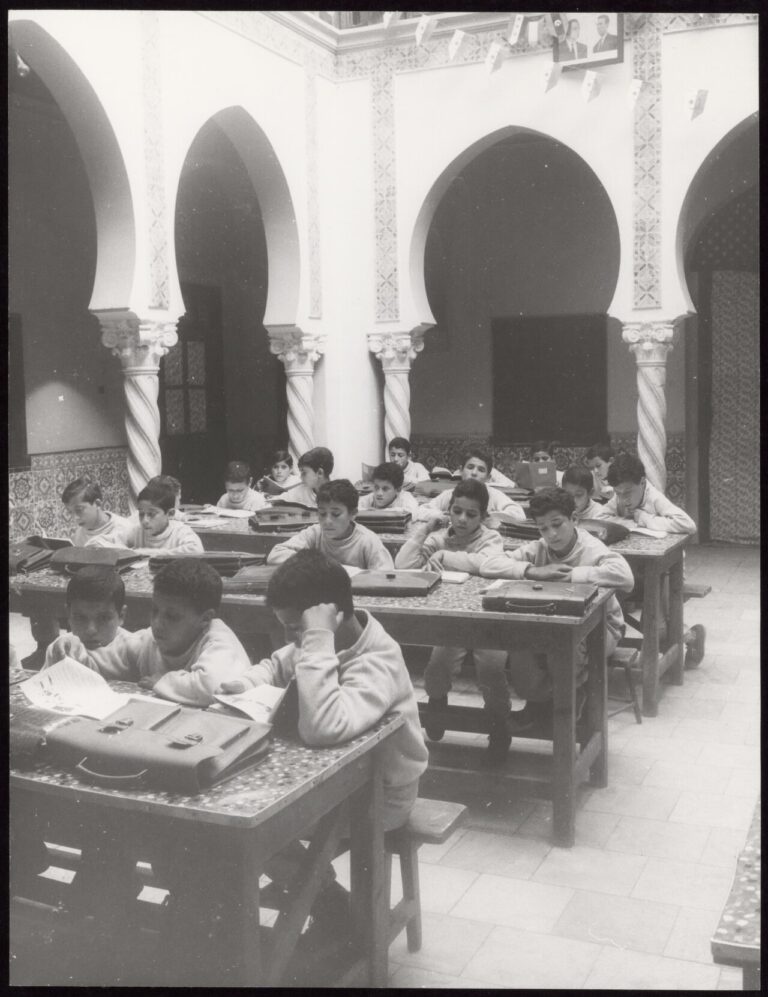
In a statement reported by 8AM Media, the agency raised concerns that cuts to humanitarian assistance could undermine access to basic services, including healthcare, nutrition support, education and clean water, for some of Somalia’s most vulnerable children.
A long-running humanitarian crisis
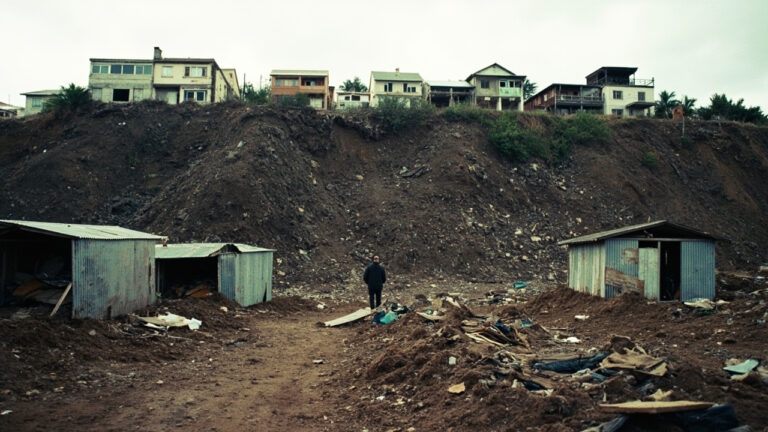
Somalia has for decades faced one of the world’s most complex humanitarian situations, shaped by protracted conflict, recurrent drought, widespread food insecurity and mass displacement. The country is home to one of Africa’s largest populations of refugees and internally displaced people, and humanitarian organisations continue to play a central role in delivering services that public institutions alone cannot cover.
UNICEF’s role in Somalia
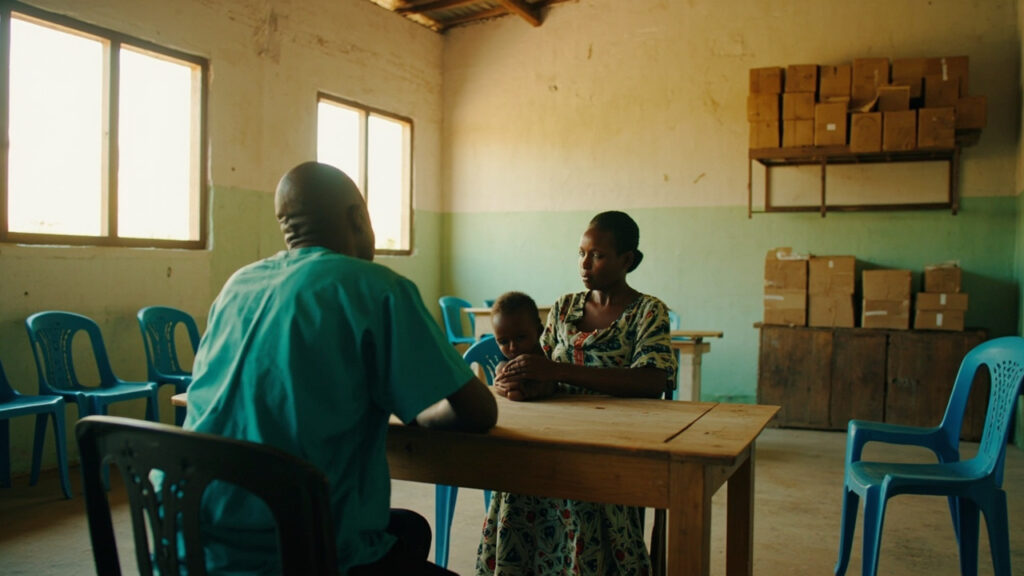
UNICEF has maintained a continuous presence in the country for many years, working alongside other United Nations agencies, international non-governmental organisations and local partners. Its operations typically span child health and immunisation, the treatment of acute malnutrition, support for primary education, water and sanitation infrastructure, and protection services for children affected by conflict and displacement.
Implications of funding shortfalls
The warning reflects a broader contraction in humanitarian funding globally, as donor governments reprioritise budgets and competing crises compete for limited resources. For Somalia, where a significant share of essential services depends on external support, funding shortfalls can translate into clinic closures, scaled-down feeding programmes and reduced access to schooling. The agency has urged donors to sustain and, where possible, increase their commitments, emphasising that the cost of any retreat in funding falls disproportionately on children who have no role in the circumstances that drive their vulnerability.
Sources
This report was written from coverage published by the following news organisations. Follow the links for the original reporting.