DR Congo Ebola Outbreak Now Deadliest in Country’s History
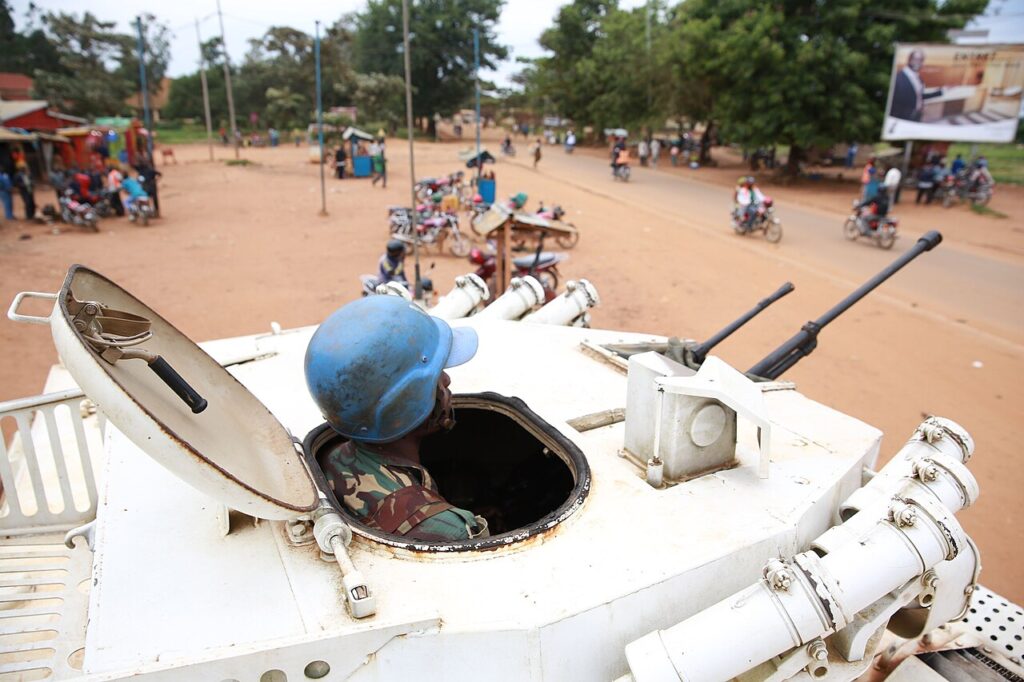
The Ebola outbreak currently sweeping the Democratic Republic of Congo has now claimed 2,325 lives, according to government figures cited by AllAfrica, making it the deadliest such epidemic in the country’s recorded history. The United Nations has reported that one person in the country is dying every 30 minutes from the disease.
The outbreak, declared in August 2018, has primarily affected the northeastern provinces of North Kivu and Ituri, regions that have also been affected by armed conflict and population displacement. The combination of insecurity, porous borders, and community resistance to medical intervention has repeatedly complicated containment efforts, even as international health workers — including teams from the World Health Organization and Médecins Sans Frontières — have been deployed to the region.
DR Congo has experienced more Ebola outbreaks than any other country, with the virus first identified in 1976 near the Ebola River in what was then Zaire. The country has long been regarded as the natural reservoir for the disease, and while previous outbreaks were largely contained within rural areas, the current epidemic has surpassed the toll of all earlier Congolese outbreaks combined, according to AllAfrica’s reporting.
A wider context
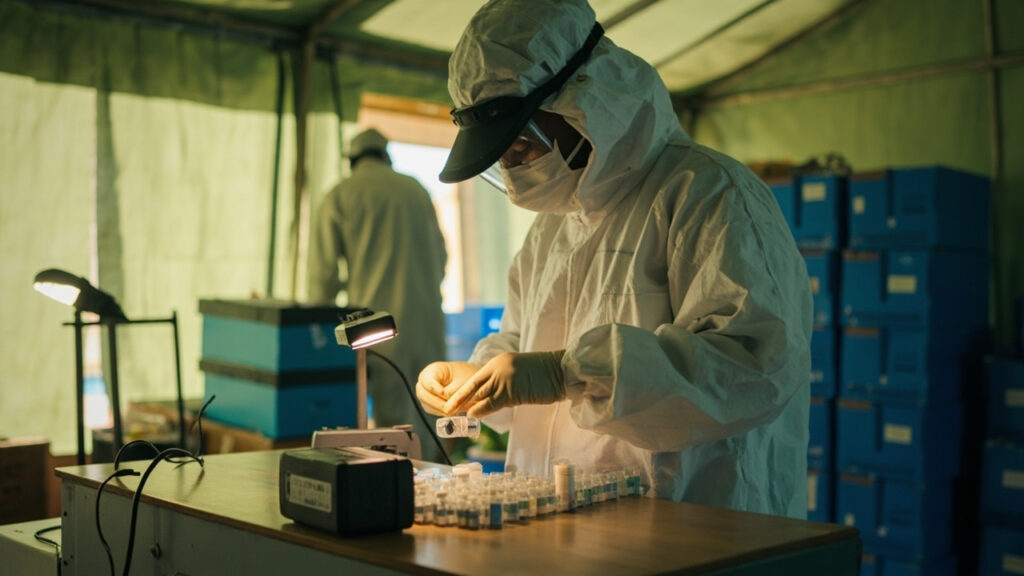
Globally, the 2014–2016 West Africa epidemic remains the largest Ebola outbreak in history, killing more than 11,000 people across Guinea, Liberia, and Sierra Leone. An effective vaccine developed during that crisis has since been deployed in DR Congo, though health workers have faced persistent logistical and trust-related obstacles in reaching affected communities.
The continued fatalities underscore the difficulty of managing a complex public health emergency in a conflict zone, where misinformation about treatment centres and attacks on medical staff have hampered response operations.
Sources
This report was written from coverage published by the following news organisations. Follow the links for the original reporting.
- AllAfrica — Congo-Kinshasa: DR Congo Ebola Outbreak Becomes Deadliest in Country's History
- Africanews — Ebola DRC: The Deadliest Outbreak in the Country's History [Africanews Today]
- FRANCE 24 — DR Congo Ebola outbreak becomes country’s deadliest
- BBC News — Ebola outbreak in DR Congo becomes deadliest in its history