What the world still gets wrong about Africa

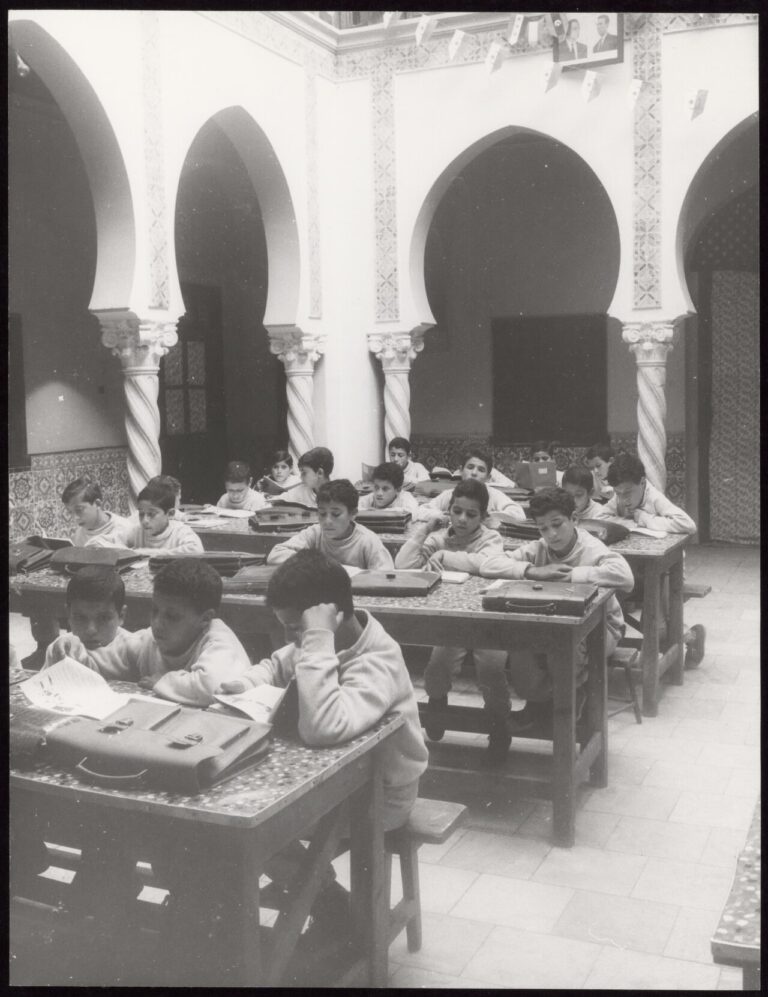
When global audiences picture Africa, certain images tend to come to mind first: sprawling savannas, mud-brick villages, children in uniform receiving aid. These snapshots, while real in places, capture only a sliver of life across a continent of 54 sovereign nations, more than 1.4 billion people and thousands of distinct ethnic and linguistic groups. As The Kenyan Diaspora Media noted in a commentary, the gap between the lived reality of the continent and its portrayal abroad remains wide.
One of the most persistent misconceptions is that Africa is a single country. Headlines and political speeches often treat it as a unified actor in world affairs, when in fact its member states of the African Union span vastly different economies, languages, religions and political systems. Decisions taken in Nairobi, Cairo, Lagos or Addis Ababa rarely reflect a continent-wide consensus.
Economy and technology

Another common error is the assumption that Africa is uniform in its poverty, or that innovation flows only one way. Africa is home to several of the world’s fastest-growing economies and to globally influential inventions, including the mobile money platform M-Pesa, which transformed banking across Kenya and beyond. Cities such as Lagos, Nairobi, Kigali and Cape Town host active tech and startup ecosystems that attract international investment.
History and culture
Coverage also tends to flatten African history into a pre-colonial and colonial binary, sidelining the continent’s long-established kingdoms, the medieval centres of learning in Timbuktu, and trade networks that linked it to Asia and the Middle East for centuries. Contemporary cultural production, from Nollywood films to Afrobeats music to the Caine Prize literary award, regularly reaches global audiences but rarely features prominently in foreign news cycles.
The Kenyan Diaspora Media’s commentary adds to a growing chorus of African and diasporic voices asking foreign newsrooms, filmmakers and policymakers to engage with the continent as it is, varied, urbanising, youthful and connected, rather than as a stage for crisis or charity.
Sources
This report was written from coverage published by the following news organisations. Follow the links for the original reporting.
- The Kenyan Diaspora Media — What the world still gets wrong about Africa