Climate change pushes fish into deeper waters, threatening Nigeria’s coastal fishermen
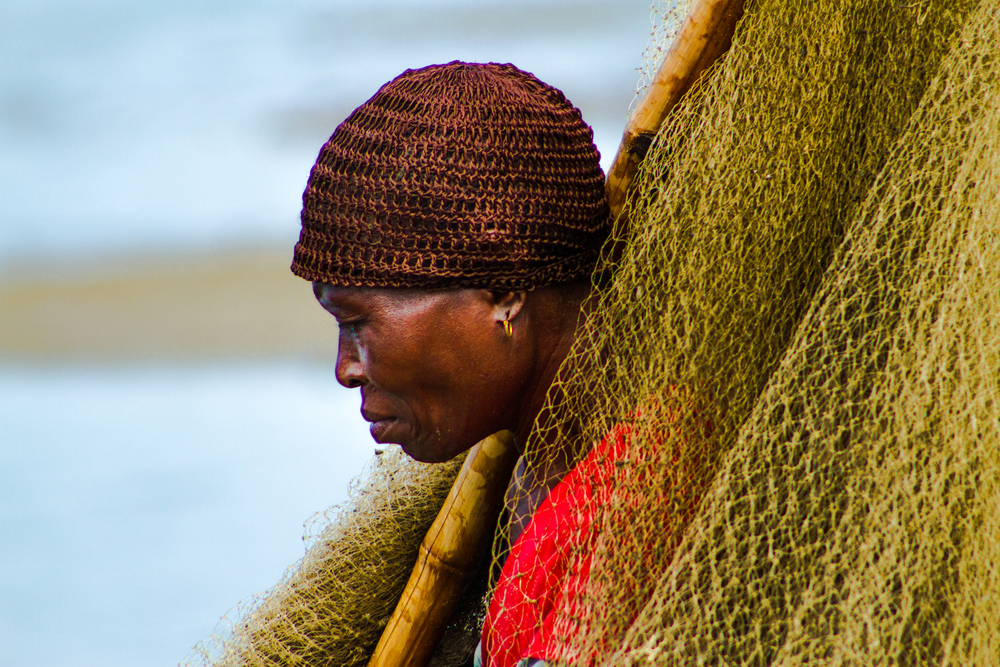
Climate change is steadily pushing fish stocks into deeper waters off Nigeria’s Atlantic coast, leaving artisanal fishermen with longer voyages, thinner catches and shrinking incomes, according to a special report by Premium Times Nigeria.
Nigeria’s coastline stretches for more than 800 kilometres along the Gulf of Guinea, supporting fishing communities in states such as Lagos, Rivers, Bayelsa, Cross River and Delta. For generations, small-scale fishermen have relied on shallow nearshore waters where species like sardines, mackerel and shrimp historically congregated. Rising sea temperatures and shifting ocean currents linked to global warming are gradually altering those patterns, with fish populations retreating to cooler, deeper zones further from the coast.
The shift has practical consequences for communities that depend on canoes, basic nets and outboard engines. Trips that once yielded a full day’s catch close to shore now require longer journeys, more fuel and greater risk, eroding the already slim margins on which coastal households operate. As Premium Times Nigeria reported, many fishermen are returning to shore with empty nets, while others are being forced out of the trade altogether, with younger men in particular migrating to urban centres in search of work.
Pressure on a vulnerable sector
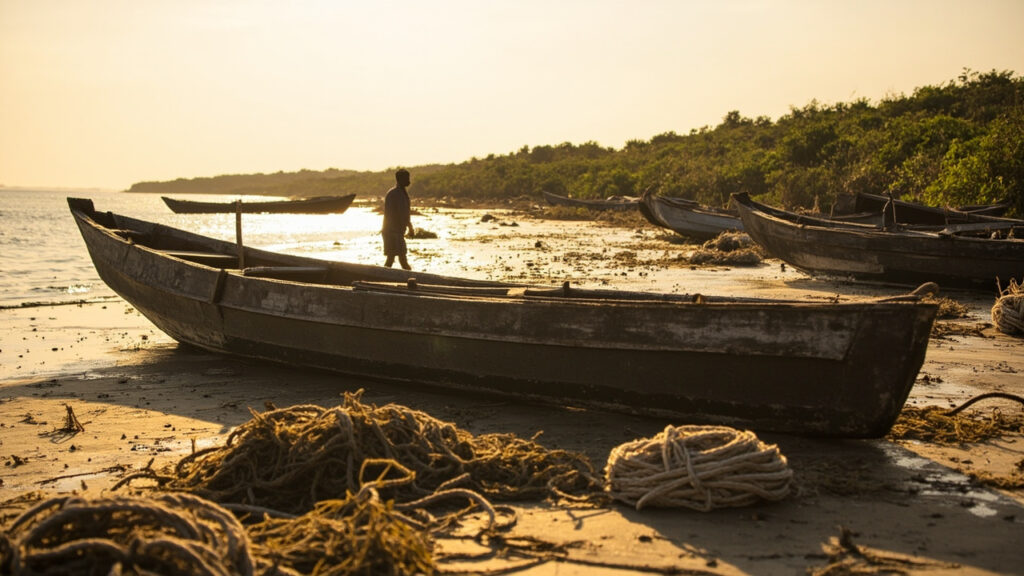
Artisanal fishing is one of the largest employers in Nigeria’s coastal belt, providing both food and income for hundreds of thousands of people. Yet the sector has long faced pressure from industrial trawling, pollution in the Niger Delta, mangrove deforestation and deteriorating port infrastructure. Climate-driven changes in fish distribution add another layer of strain, one that individual fishermen are largely powerless to address.
Environmental researchers across West Africa have documented similar trends elsewhere in the Gulf of Guinea, where warming surface waters are reshaping fisheries that sustain entire regions. For Nigeria, the report highlights how a global phenomenon is translating into local hardship, and raises fresh questions about adaptation support for communities whose traditional ways of life are quietly being redrawn by the sea.
Sources
This report was written from coverage published by the following news organisations. Follow the links for the original reporting.