Rising lakes in Kenya displace communities as human-wildlife encounters rise
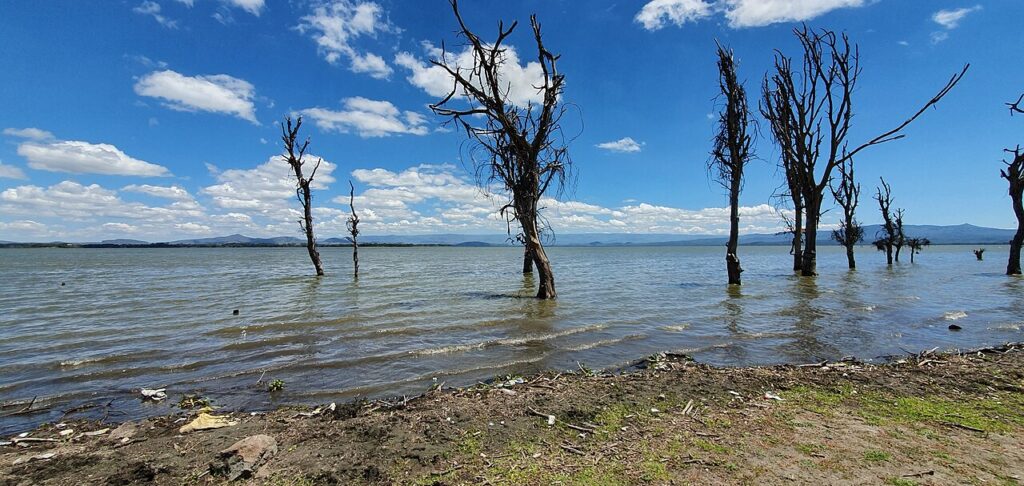
Communities living along the shores of lakes in Kenya are being forced to abandon their homes as rising water levels submerge homesteads and farmland, according to Africanews. The expanding lakes have also pushed wildlife, including crocodiles and hippos, into closer contact with nearby villages, raising concerns about safety.

Kenya’s Rift Valley is home to a chain of lakes renowned for their ecological significance, supporting populations of flamingos, hippos, fish eagles and other wildlife. The lakes, which range from freshwater to highly alkaline, form part of one of Africa’s most important ecosystems and underpin local economies through fishing, tourism and agriculture. Fluctuations in their levels are a known natural phenomenon, often tied to rainfall patterns, geological activity along the Rift Valley and changes in tributary rivers.
As Africanews reported, as the waters have risen in recent years, several shoreline communities have watched their houses, schools and grazing land disappear beneath the surface. Families have relocated to higher ground, often into areas that were previously considered part of the wildlife’s natural range.
The encroaching water has also disrupted the habitats of crocodiles and hippos, both of which are dangerous to humans. With less shoreline and shallower feeding grounds, the animals are venturing closer to homes and farms in search of food and space. Encounters with these large mammals have increased, putting residents, particularly fishermen and those collecting water, at greater risk.
Local authorities and conservation groups face a complex challenge in balancing the protection of wildlife with the safety and livelihoods of displaced communities. Kenya’s wildlife services manage a network of national parks and reserves across the Rift Valley, but many of the lakes themselves fall outside protected boundaries, leaving the interface between people and animals largely ungoverned.
Without coordinated action on flood management, resettlement and wildlife conflict mitigation, residents fear the situation will worsen as the lakes continue to expand, deepening displacement and the risks posed by some of Africa’s most formidable aquatic wildlife.
Sources
This report was written from coverage published by the following news organisations. Follow the links for the original reporting.