After the floods, hunger: Mozambique’s second disaster unfolds
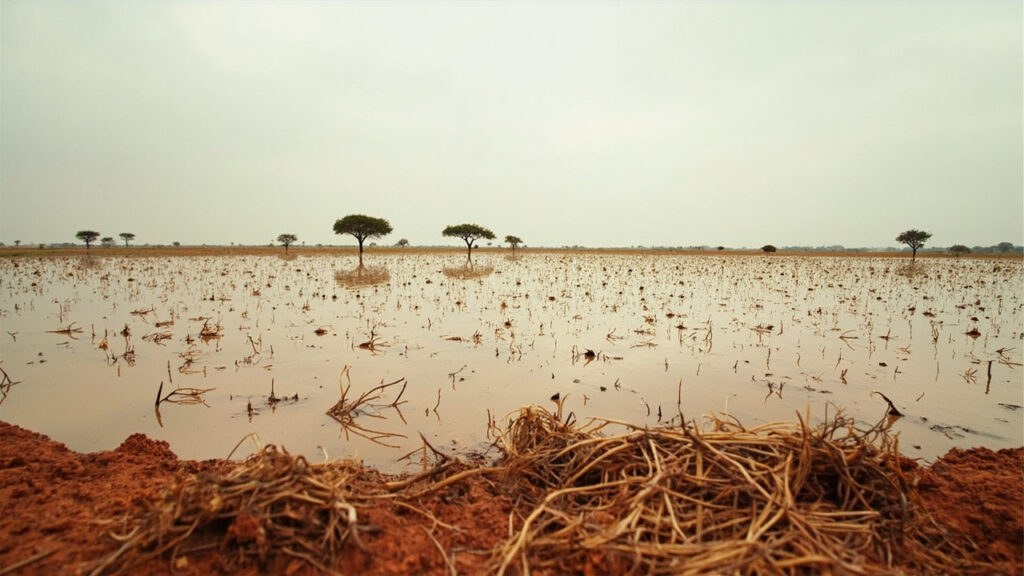
Mozambique’s struggle with climate-driven flooding has entered a new phase, with lost harvests and disrupted supply routes pushing many families deeper into food insecurity, according to Al Jazeera.
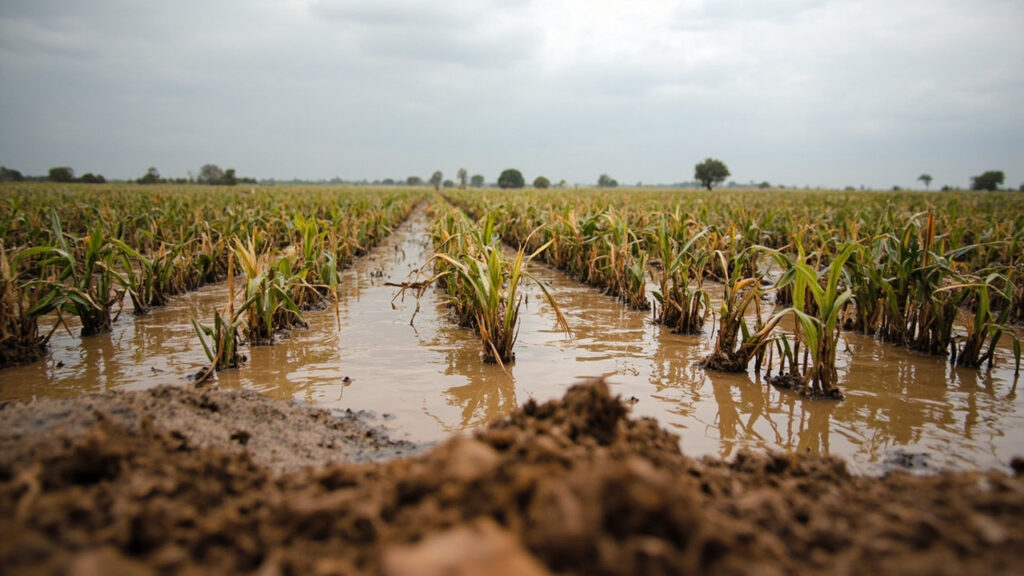
The southern African country, which has endured a series of devastating cyclones and seasonal floods in recent years, now faces what observers describe as a “second disaster” — the slow-onset hunger that follows the immediate destruction of homes, fields and roads.
Mozambique’s geography leaves it exposed to recurring extreme weather. Its long Indian Ocean coastline draws multiple cyclones each year, while low-lying river basins, including the Zambezi, regularly swell beyond their banks during the rainy season. Smallholder farmers, who produce the bulk of the country’s staple crops such as maize, cassava and rice, often bear the heaviest cost when floodwaters swallow fields or wash away stored grain.
Beyond the farms, damaged roads and bridges have made it harder to move food from surplus regions to communities that depend on traded supplies. As Al Jazeera reported, markets thin out, prices climb, and households that already live close to the margin find themselves forced to skip meals or sell off assets to get by.
Humanitarian agencies have repeatedly warned that Mozambique is among the most disaster-prone countries in the world, and that the interval between major weather events has been shrinking. Each flood, cyclone or drought erases some of the gains made in poverty reduction and food production, making recovery a longer and harder climb.
Without sustained investment in resilient agriculture, flood defences and rural infrastructure, the cycle of destruction followed by hunger looks set to repeat itself.
Sources
This report was written from coverage published by the following news organisations. Follow the links for the original reporting.