Malawi’s Community HIV Programme Offers Path to Ending Mother-to-Child Transmission
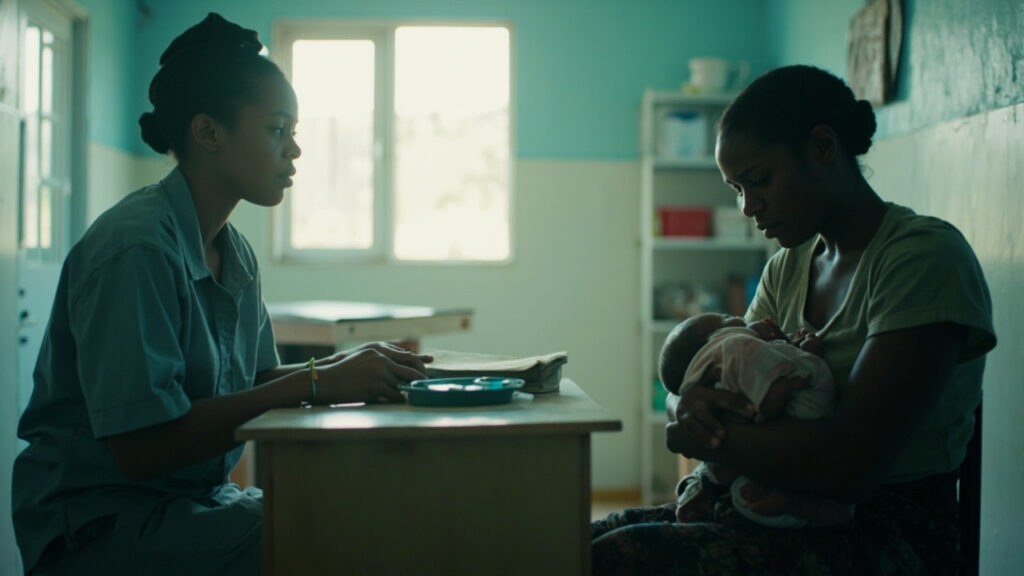
Malawi is recording some of its strongest results yet in the long-running campaign to prevent HIV transmission from mothers to their children, according to new evidence reviewed by AllAfrica. The data, drawn from a community-based care and treatment programme operating across nine districts, shows a very low HIV positivity rate among HIV-exposed infants enrolled in the initiative, suggesting that locally rooted approaches can deliver outcomes that have long eluded clinic-only models.
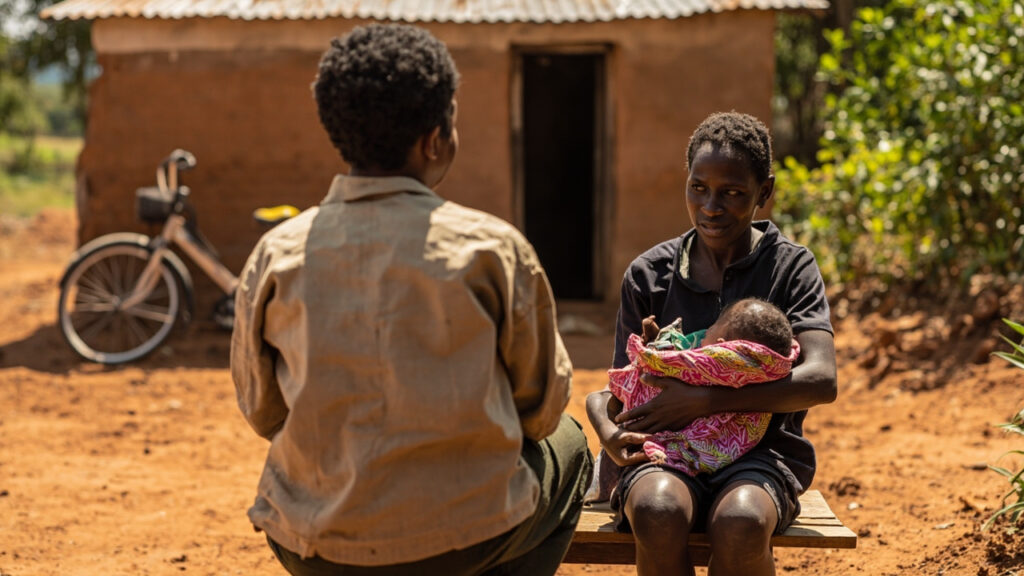
The programme centres on community health workers who identify pregnant and breastfeeding women living with HIV and keep them engaged in care from pregnancy through the early months of their child’s life. In settings where transport costs, stigma and long distances to facilities routinely interrupt treatment, this door-to-door follow-up has proven critical. Mothers receive counselling, antiretroviral refills and infant testing without having to travel, while community volunteers track adherence and flag warning signs early.
A country long on the front line
Malawi has been one of the countries hardest hit by HIV in southern Africa, and its prevention of mother-to-child transmission (PMTCT) programme is among the oldest on the continent. Health authorities integrated PMTCT into antenatal care more than two decades ago, and successive expansion drives have pushed testing and treatment coverage into the vast majority of public clinics. The community layer, however, reflects a more recent recognition that clinical access alone does not guarantee that mothers stay on treatment during the breastfeeding period — the phase in which many residual infections occur.
International partners, including the United Nations children’s fund and the Global Fund to Fight AIDS, Tuberculosis and Malaria, have supported community health cadres in Malawi for years. The latest findings align with a broader regional push, endorsed by the World Health Organization, to validate the elimination of mother-to-child HIV transmission when fewer than a small threshold of exposed infants test positive and a high share of mothers remain on antiretroviral therapy.
What sets the model apart
Researchers and practitioners point to three features of the community-led design. First, peer follow-up reduces the loss of mothers and infants between antenatal care, delivery and postnatal testing — the points at which programmes historically leak the most patients. Second, because community workers live alongside the families they serve, they can intervene quickly when a mother misses a dose or a clinic appointment. Third, the model is relatively low-cost, relying on trained lay workers rather than additional doctors or nurses, which makes it attractive to a health system with constrained resources.
AllAfrica reports that officials in the nine districts are now reviewing how the approach might be folded into routine national policy. If the gains hold as the cohort grows, Malawi’s experience could provide a practical blueprint for other high-burden countries aiming to reach the threshold at which mother-to-child HIV transmission is considered eliminated as a public health problem.
Sources
This report was written from coverage published by the following news organisations. Follow the links for the original reporting.