DR Congo secretly exporting uranium to China, report finds
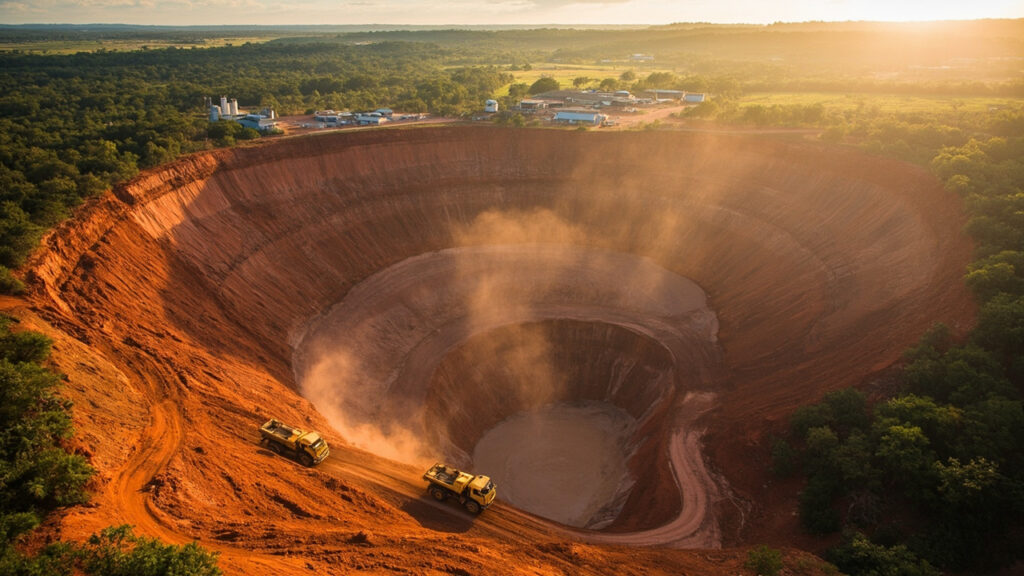
The Democratic Republic of Congo has shipped significant quantities of uranium to China despite a national prohibition on commercial exports of the radioactive material, according to an investigation by Semafor.
The report alleges that the clandestine trade bypasses Congolese law, which bars the export of uranium for commercial purposes. While the volumes involved are not publicly disclosed, Semafor describes the shipments as “significant,” raising fresh questions about oversight of the country’s strategic mineral resources and the enforcement of its export controls.
A long history with uranium
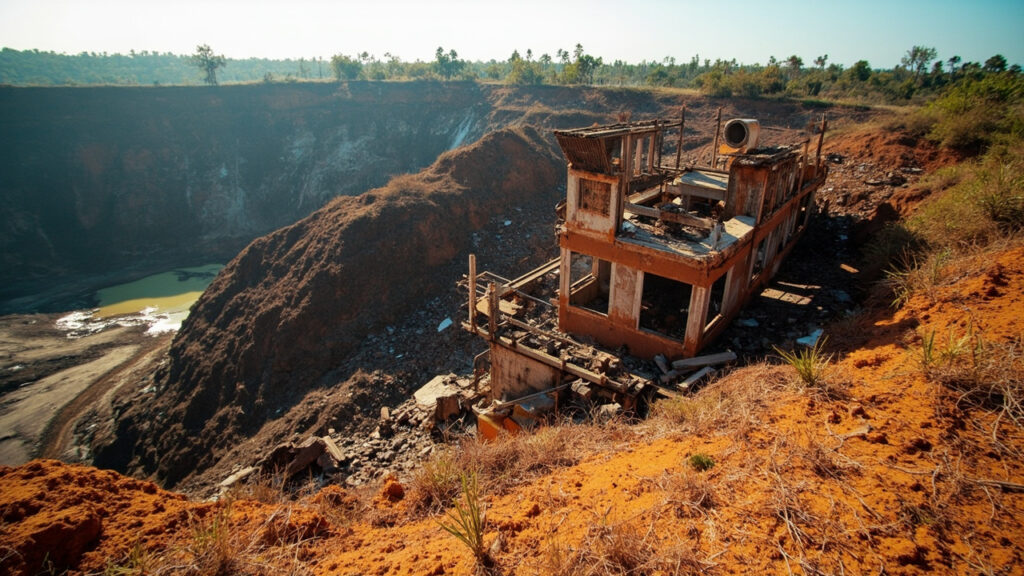
The DRC has a complicated and internationally significant history with uranium. The Shinkolobwe mine in the southeastern Katanga region, now part of Haut-Katanga province, was once the world’s most productive source of high-grade uranium ore during the mid-twentieth century and supplied material that contributed to the United States’ wartime nuclear programme. The mine has been officially closed for decades, but it left a lasting imprint on the region’s mining economy and on global awareness of Congolese uranium reserves.
Beyond uranium, the DRC holds some of the world’s largest reserves of cobalt, copper, diamonds, gold, tin, and tantalum. Its mining sector is governed by a 2018 mining code, which tightened rules on strategic minerals and increased state royalties, though enforcement remains uneven across the country’s vast and often remote extraction sites.
China’s dominant role
China has become the single largest player in the DRC’s extractive industries over the past two decades. The Sino-Congolese joint venture Sicomines, signed in 2007 and revised several times since, pairs Chinese infrastructure investment with rights to copper and cobalt concessions. Chinese state-owned firms also maintain separate operations across the copper belt, and Beijing’s appetite for Congolese minerals has grown alongside global demand for electric-vehicle batteries and electronics.
The reported uranium shipments, if confirmed, would mark a new dimension in that relationship and are likely to draw scrutiny from international nuclear watchdog bodies and from the DRC’s own regulators.
Sources
This report was written from coverage published by the following news organisations. Follow the links for the original reporting.