Landslide hits Ethiopian monastery during prayer service, killing at least 14
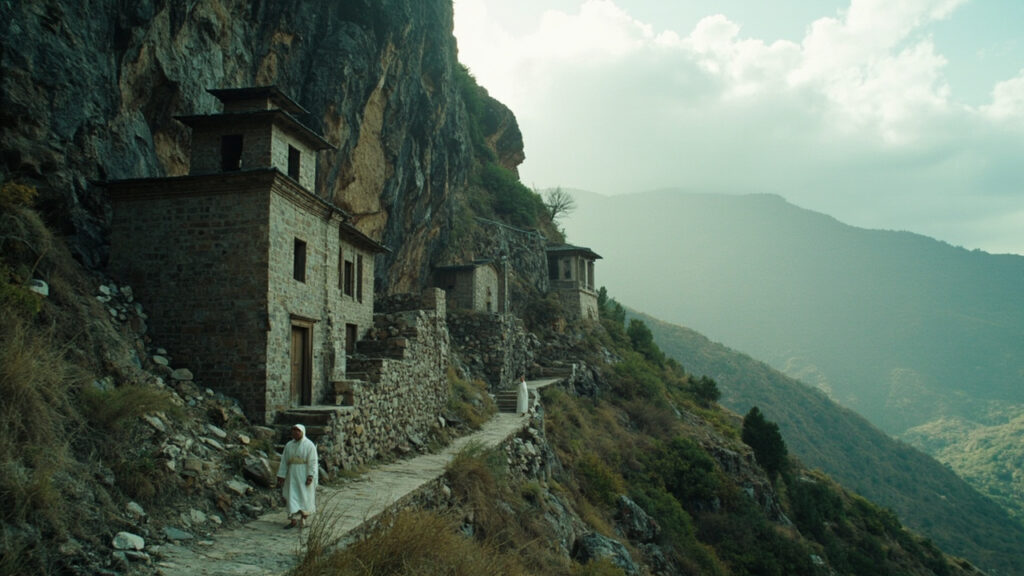
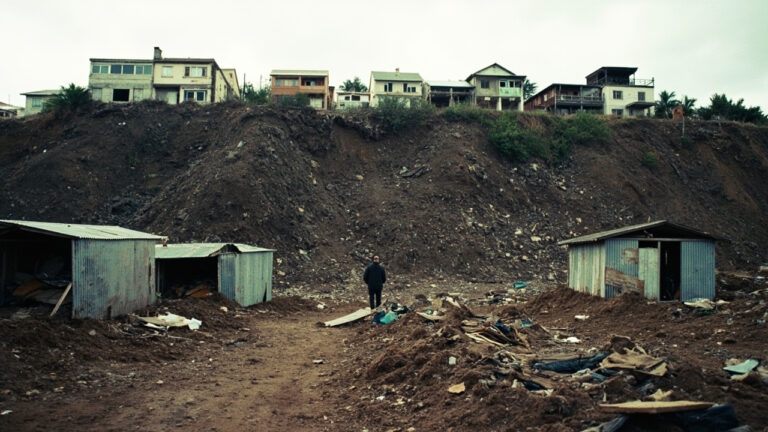
A landslide triggered by heavy rain struck an Ethiopian monastery during a prayer service, killing at least 14 people, according to BBC News. Worshippers were gathered at the religious site when rocks and earth came crashing down on the building, authorities said.
Ethiopia’s mountainous terrain and seasonal climate make slope failures a recurring hazard. The country’s highlands, which rise across much of the central and northern regions, are particularly susceptible during the rainy season that typically runs from June to September, when intense downpours can loosen soil on steep slopes.
A country shaped by faith and geography
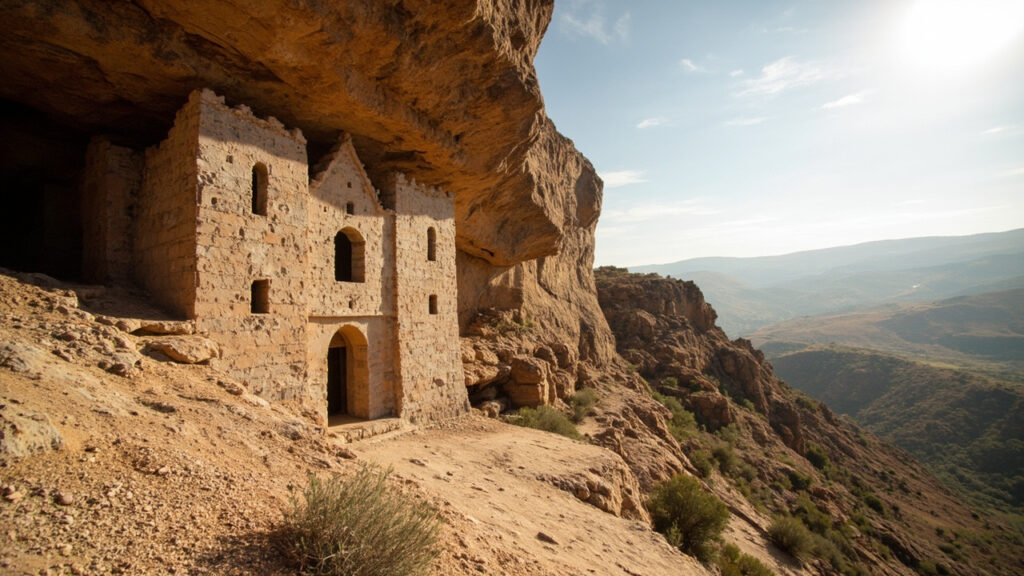
Ethiopia is home to one of the world’s oldest Christian traditions, the Ethiopian Orthodox Tewahedo Church, whose monasteries and rock-hewn churches are central to the country’s religious identity. Many of these sites were built into cliffs and hillsides centuries ago, a practice that has earned Ethiopia the nickname “the Land of Churches.” Their remote, elevated locations, while historically suited to spiritual retreat, can leave worshippers exposed to falling rock when heavy rains saturate the ground above.
Disaster management authorities in Ethiopia have repeatedly warned that informal settlements on or below steep slopes, combined with deforestation and heavy rainfall, increase the risk of landslides in rural communities. The combination of high elevation, fractured volcanic rock, and intense seasonal precipitation has long made parts of the Ethiopian highlands one of the more landslide-prone landscapes in East Africa.
The tragedy highlights the vulnerability of religious sites in remote, mountainous areas, where infrastructure for early warning and rapid evacuation is often limited. Such incidents underline the broader challenge facing Ethiopian authorities in protecting both populated areas and culturally significant heritage sites from natural disasters.
Sources
This report was written from coverage published by the following news organisations. Follow the links for the original reporting.