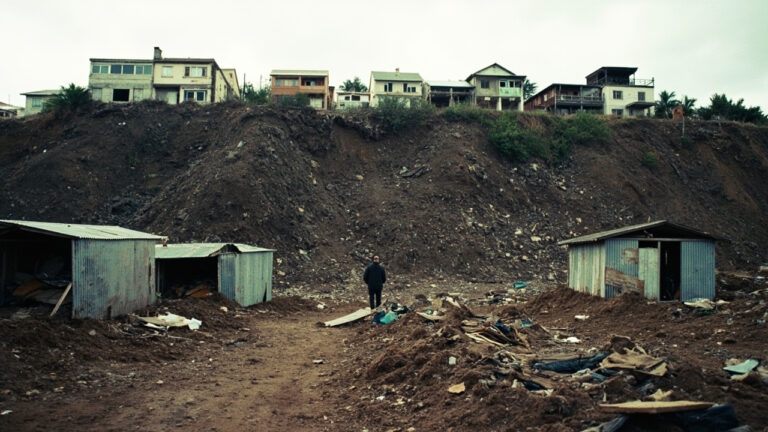
Ceuta: Calm returns after tens of thousands cross from Morocco

Calm returned to Spain’s North African enclave of Ceuta after one of the largest single-day border crossings in recent European history, according to FRANCE 24. Roughly 60,000 people crossed from neighbouring Morocco into the tiny Spanish territory in a matter of hours, a surge in which at least 57 people died.
Of those who made it across, approximately 45,000 returned to Morocco within hours of arriving. Spanish authorities ordered the migrants to turn back, warning that anyone who remained could face eventual expulsion. There were fears that the massive surge could trigger a broader humanitarian crisis.
A unique geopolitical position
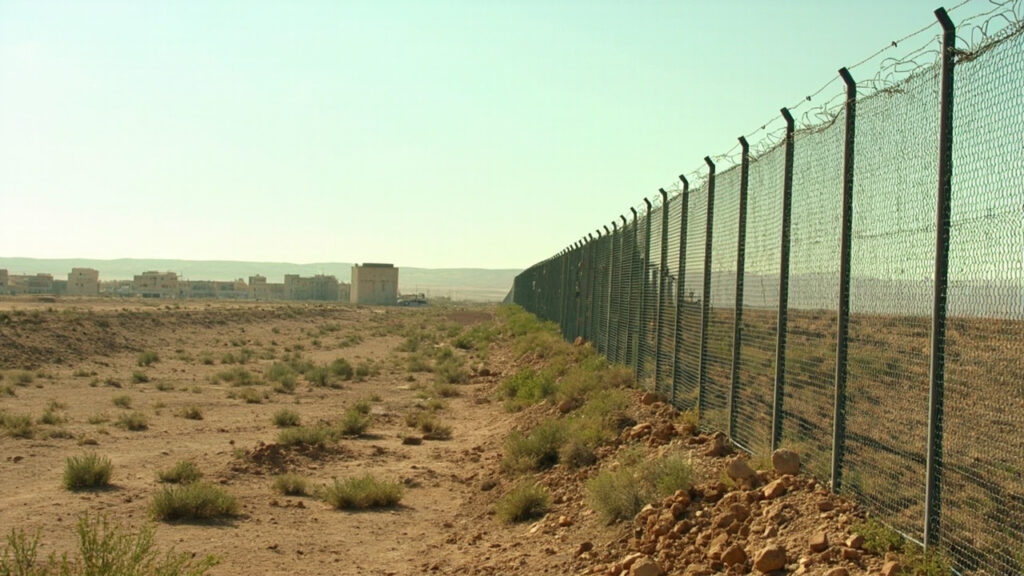
Ceuta, along with its sister enclave of Melilla further east along the Moroccan coast, is one of only two pieces of European territory located on the African continent. The two cities have been Spanish since the 16th century and are officially part of the European Union, with the border between them and Morocco functioning as one of the EU’s only land frontiers with Africa. Their status has long made them a focal point for migrants seeking to enter Europe, particularly for those from sub-Saharan Africa who hope to reach mainland Spain and, from there, other EU countries.
A sudden, massive surge
Spanish authorities deployed additional security personnel to manage the situation as the scale of the crossing overwhelmed Ceuta, which has a population of around 85,000. The humanitarian implications were immediate, and there were fears that the surge could trigger a broader humanitarian crisis.
Spain and the wider migration route
Spain has, in recent years, become one of the main entry points into Europe for migrants and refugees, many of whom flee poverty, conflict or persecution in countries across Africa and the Middle East. The two Spanish enclaves in North Africa, together with the Canary Islands further west, form the southernmost European frontier facing the African continent. Migrants who reach Ceuta or Melilla and manage to avoid expulsion can apply for asylum in Spain, a prospect that has drawn people from countries across sub-Saharan Africa and beyond.
The episode highlighted both the vulnerability of Ceuta’s border and the pressures driving irregular migration towards Europe. With most of those who crossed having already returned to Morocco, attention was shifting to the longer-term question of how the enclave — and the EU’s frontier with Africa more broadly — would manage future surges.
Sources
This report was written from coverage published by the following news organisations. Follow the links for the original reporting.