Half of Nigeria’s population now lives in cities, data shows
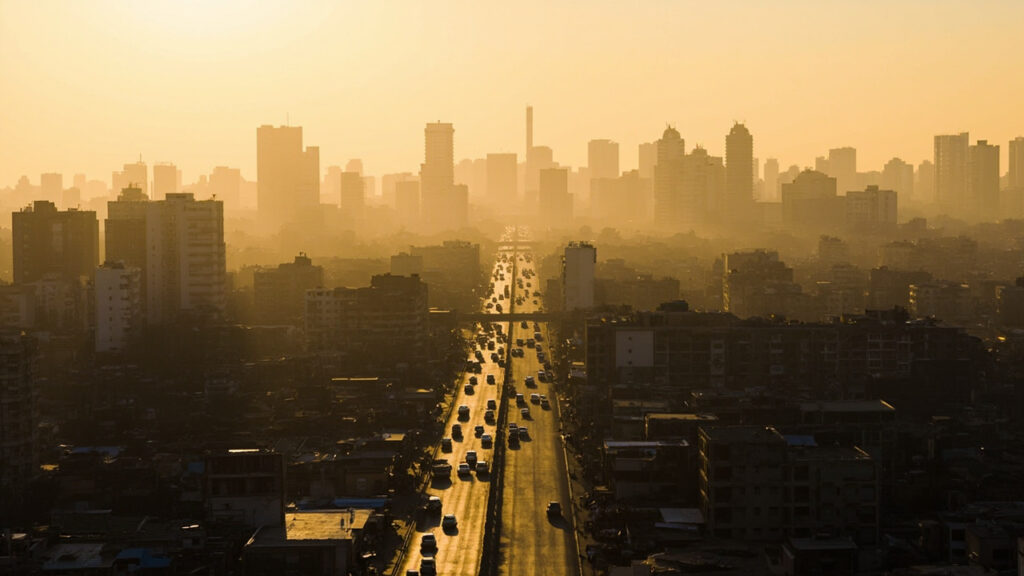
Nigeria has crossed a demographic threshold that places it alongside the world’s most heavily urbanised nations, with half of its population now residing in cities, according to Our World in Data.
The shift marks a significant transformation for Africa’s most populous country, where rural communities long accounted for the majority of inhabitants. Urbanisation in Nigeria has accelerated over recent decades, driven by sustained population growth, the search for economic opportunity, and the gradual expansion of cities that began absorbing newcomers from the countryside at scale.
Lagos remains the country’s dominant urban centre and one of the largest metropolitan areas on the continent, with its commercial districts and sprawling residential neighbourhoods continuing to draw migrants from across Nigeria and the wider West African region. Other major cities — including Kano in the north, Ibadan in the southwest, Abuja the federal capital, Port Harcourt on the southern coast, and Benin City — form a network of regional hubs that anchor commerce, administration, and industry.
Reaching the 50 percent urban mark reflects global trends that have seen developing economies move from predominantly rural societies to city-centric ones within a single generation. The United Nations has projected that the world’s urban population will continue to expand through the coming decades, with sub-Saharan Africa expected to contribute a substantial share of that growth.
For Nigeria, the milestone underscores both opportunity and pressure. Cities concentrate access to jobs, education, and healthcare, but rapid urban growth has also placed strain on housing, transportation networks, water supply, and sanitation in many Nigerian municipalities. Policymakers and urban planners have pointed to the need for sustained investment in infrastructure if the country is to accommodate continued expansion without compounding existing shortages.
As Our World in Data reported, the figures place Nigeria among the growing number of countries where the urban-rural balance has tipped decisively toward cities — a transition that will shape the country’s economic and social trajectory for decades to come.
Sources
This report was written from coverage published by the following news organisations. Follow the links for the original reporting.
- Our World in Data — Half of Nigeria’s population lives in cities