
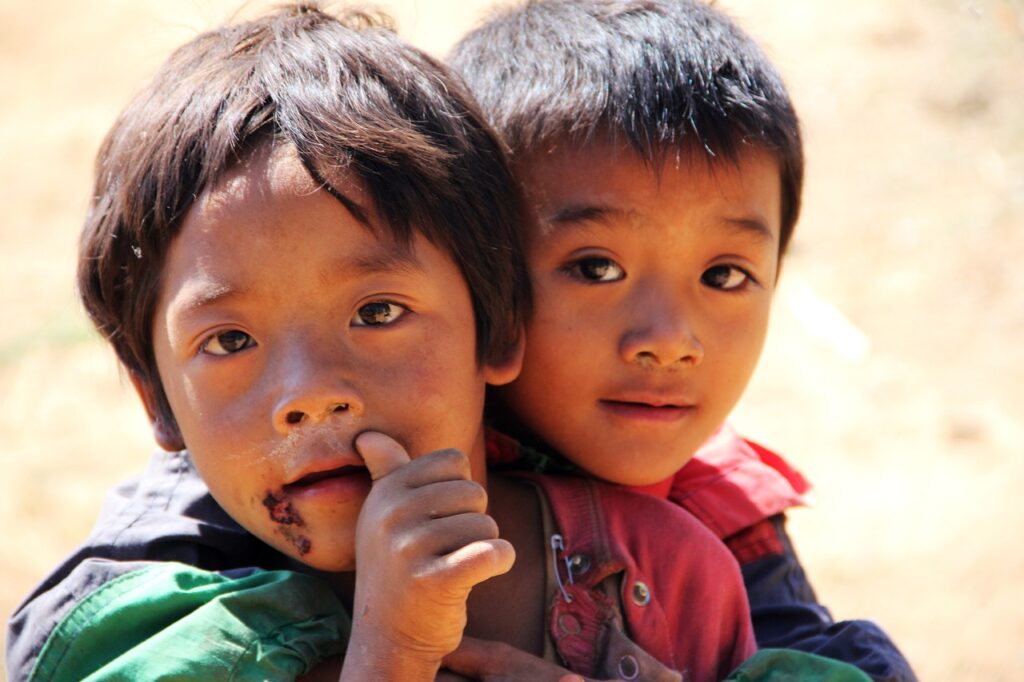
Sudanese Refugees in Central African Republic Face Humanitarian Emergency
Fatna Saleh Youssouf lost her left leg to an explosive device in Sudan. But she refuses to be defined by it.
After crossing into the Central African Republic, the single mother received support from humanitarian organizations and now sells doughnuts at a makeshift stall near her shelter. Her resilience is remarkable — but aid workers say her situation is the exception, not the rule.
The humanitarian landscape in CAR has been deteriorating sharply, and the arrival of Sudanese refugees has strained an already fraying system to the breaking point. According to the United Nations and NGO partners, more than 35,000 Sudanese refugees have entered CAR since the war between Sudan’s military and the Rapid Support Forces erupted in April 2023. Most are concentrated in Birao, a town in the Vakaga prefecture of the northwest, where the local population has doubled since the influx began.
“The humanitarian situation is disastrous,” said one senior UN official who requested anonymity to speak candidly. “We are doing what we can with a fraction of what we need.”
Over 120 humanitarian bases belonging to 60 organizations have closed since 2025, the official confirmed — six of them in Vakaga prefecture alone, the region hosting the majority of Sudanese refugees. The closures stem almost entirely from funding shortfalls, as international donors struggle to maintain support for multiple concurrent crises.
In a statement, the UN humanitarian coordination office (OCHA) said the gaps in programming were having “life-threatening consequences,” particularly for children and pregnant women among the refugee population.
Beyond the refugee influx, CAR’s own internal conflict continues unabated. Clashes in the southeast and west have displaced tens of thousands of CAR nationals. Epidemics, including recurrent cholera and measles outbreaks, compound the crisis in areas with limited access to medical care.
International NGOs working in CAR say the world has effectively moved on. “CAR is one of the most forgotten crises in the world,” said the West Africa director of a major humanitarian organization. “When we have to choose between feeding people here or responding to another emergency elsewhere, we lose.”
The UN is appealing for $480 million for CAR in 2026 — less than a third of which had been pledged as of early April.