
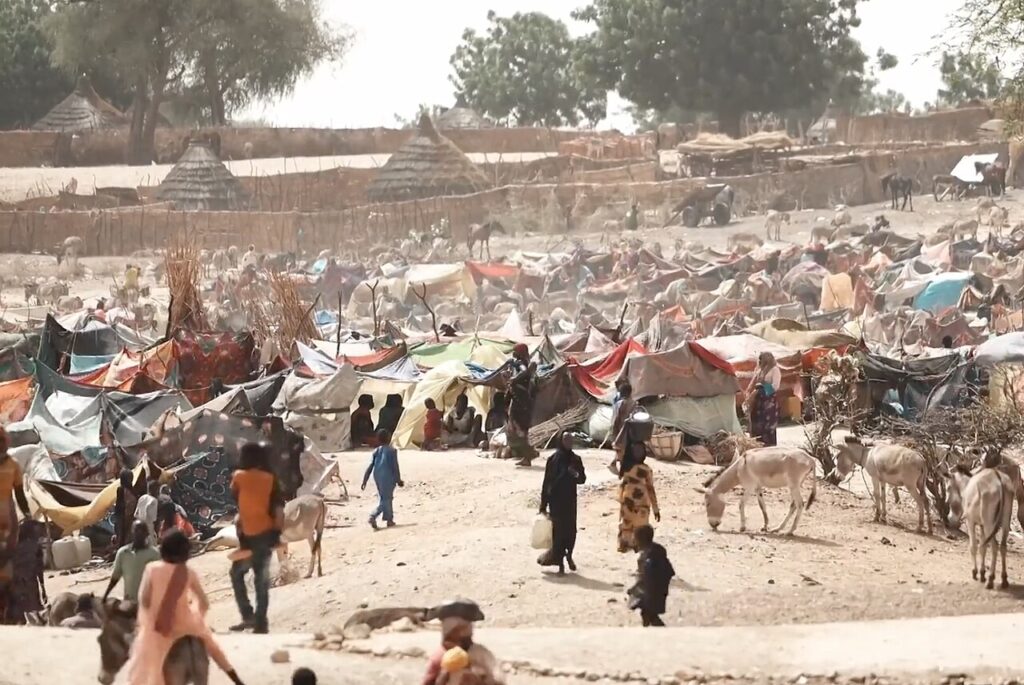
The brutal conflict in Sudan has spread beyond its borders once again, with thousands of civilians trapped in the Chadian border town of Tiné as cross-border attacks intensify. Chad officially closed its 1,300-kilometer eastern border with Sudan in late February 2026 after deadly clashes killed five Chadian troops, but the closure has done little to stop the violence from seeping across the frontier.
Médecins Sans Frontières (MSF) has reported treating at least 457 people wounded in attacks since early February 2026 in Tiné alone. The border area, already home to thousands of Sudanese refugees who fled the civil war that erupted in April 2023, has become a flashpoint as fighters from Sudan’s Rapid Support Forces (RSF) increasingly carry out incursions into Chadian territory.
The humanitarian situation is deteriorating rapidly. According to the International Federation of Red Cross and Red Crescent Societies (IFRC), border areas in eastern Chad are overcrowded, and some refugee sites are at full capacity and can no longer accept new arrivals. In Tiné and the nearby town of Adré, thousands of displaced Sudanese find themselves caught between a war behind them and an unsafe haven before them.
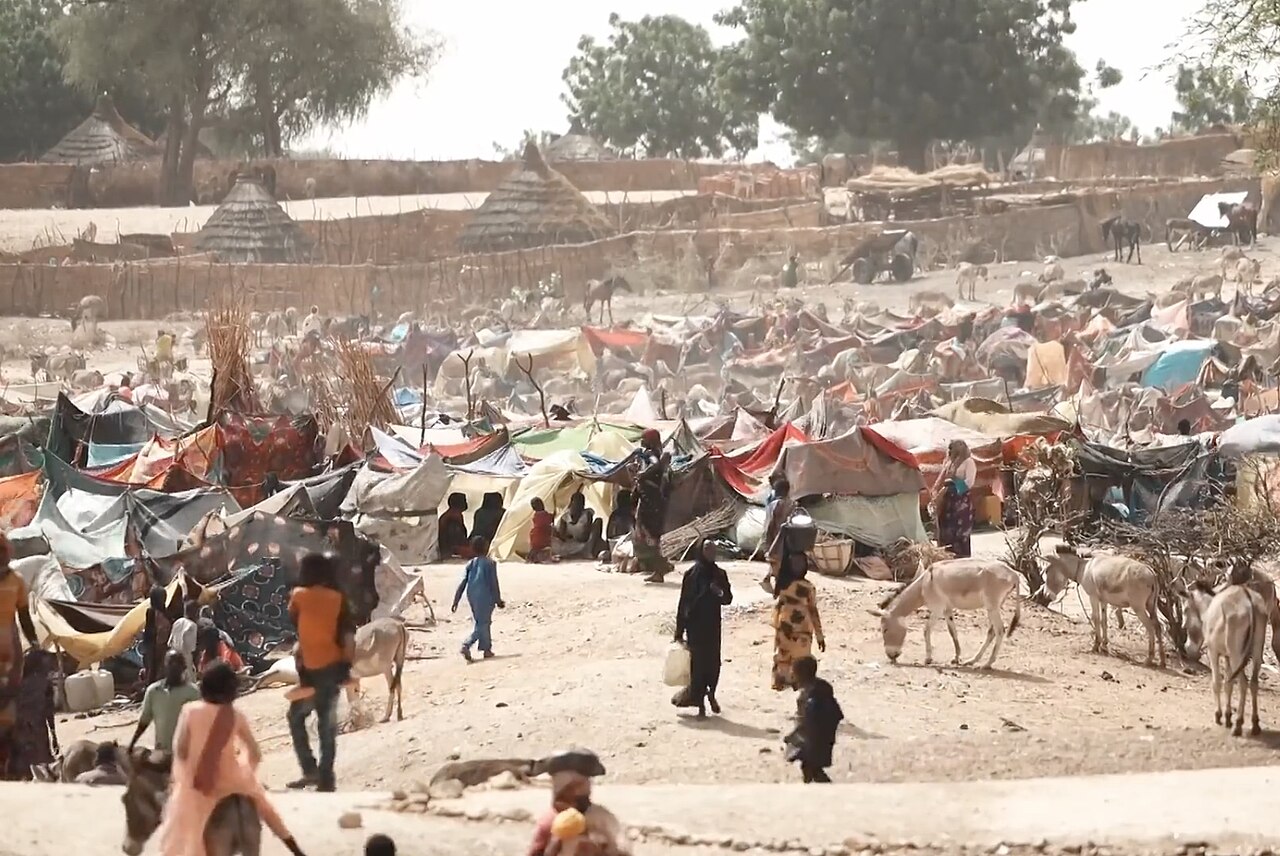
“We keep adapting and responding, but the needs are growing faster than our capacity to meet them,” MSF said in a statement. The organization has been working alongside Chad’s national medical teams to provide emergency care, but access remains severely constrained by ongoing insecurity.
A Conflict That Knows No Borders
Sudan’s civil war, now in its third year, pits the Sudanese Armed Forces (SAF) led by General Abdel Fattah al-Burhan against the paramilitary Rapid Support Forces commanded by General Mohamed Hamdan Dagalo (known as Hemedti). The RSF has been accused of widespread atrocities, including systematic attacks on civilians in Darfur and other regions.
Since the conflict began, more than 150,000 people are estimated to have been killed, with millions more displaced internally and across borders. Chad, itself no stranger to political instability and armed insurgencies, now faces the dual challenge of managing a massive refugee influx while defending its own territory from spillover violence.
The closure of the Chad-Sudan border has compounded the humanitarian crisis. Sudanese civilians attempting to flee the war have found their usual escape routes blocked, forcing many to take more dangerous unofficial crossings. Those who do make it into Chad describe a harrowing journey through active conflict zones.
International Response Falls Short
Despite growing alarm from international organizations, the response from the broader international community has been muted. The United Nations and African Union have called for increased funding for humanitarian operations in Chad, but pledges have fallen short of what aid agencies say is needed.
The conflict has also complicated Chad’s own domestic politics. President Mahamat Idriss Déby Itno, who seized power following his father’s death in 2021, faces mounting pressure to secure the border while managing limited resources.
For the civilians trapped in Tiné, the war shows no signs of ending. Sudanese refugee Malick, who fled to Chad with his family in late 2023, told aid workers that he believed the violence would follow them wherever they went. “There is no safe place anymore,” he said. “Not in Sudan. Not here. Nowhere.”
As fighting between Sudan’s warring factions continues unabated in Darfur, Khartoum, and other regions, the humanitarian fallout continues to grow. Aid organizations warn that without a significant increase in support and political pressure on the warring parties, the crisis in eastern Chad could escalate into a catastrophe affecting hundreds of thousands more civilians in the coming months.
The international community, they say, cannot afford to look away.