Senegal’s parliament has voted overwhelmingly to approve legislation that criminalizes homosexuality, same-sex relations, and what the law terms ‘aggravated homosexuality,’ creating offences punishable by prison terms of up to 10 years. The vote, which passed with support from across the political spectrum including both the ruling Pastef party and the main opposition coalitions, marks a significant hardening of Senegalese law regarding sexual orientation and has triggered immediate condemnation from Western governments, human rights organizations, and the United Nations.
The legislation, which now awaits presidential signature to become law, also includes provisions targeting what it describes as ‘acts of Sodomy’ and ‘indecent or unnatural acts’ between consenting adults of the same sex. Separate provisions address ‘incitement’ to homosexuality, effectively making public advocacy for LGBTQ+ rights a criminal offence.
A Bill that United the Political Class
What is striking about the legislation’s passage is the breadth of political support it received. In a political landscape more typically characterized by fractious debate over governance, economic policy, and the terms of the post-Sall presidency, virtually every major party found common cause in the proposed criminalization. The political consensus reflects deep societal opposition to homosexuality across Senegalese public opinion, where same-sex relations are widely understood — across religious and ethnic communities — to be contrary to Islamic tradition and Senegalese cultural norms.
President Bassirou Diomaye Faye, who was elected on a reform platform in 2024 and whose Pastef party initially contained voices sympathetic to LGBTQ+ rights, ultimately chose not to block the bill. Faye has described the law as a reflection of ‘Senegalese values’ while offering no explicit endorsement of its most punitive provisions.
International Response and the Hypocrisy Argument
Western embassies in Dakar moved quickly to condemn the legislation. The United States embassy issued a statement expressing ‘deep concern,’ while the French foreign ministry called the vote ‘a regression for human rights.’ The European Union threatened to review its development assistance frameworks in light of the legislation — a threat that critics within Senegal’s political establishment dismissed as external interference in domestic affairs.
The government of Senegal has pushed back against what it describes as a pattern of Western hypocrisy. Senegalese officials point to the legacy of colonialism, the history of European sodomy laws that criminalized African traditions, and what they characterize as a selective Western human rights agenda.
The Human Cost of Criminalization
Human rights organizations working in Senegal have documented the immediate chilling effect the legislation has already begun to produce, even before its formal promulgation. LGBTQ+ individuals in Dakar and other cities report increased fear, the dissolution of informal support networks, and the cancellation of planned health outreach activities targeting men who have sex with men.
The Coalition of African Lesbians warned that criminalization would ‘drive an already marginalized community further into the shadows, with lethal consequences for their health and safety.’ The Human Rights Watch Africa division called on President Faye to use his veto, noting that the law would ‘violate fundamental rights to privacy, equality, and non-discrimination that Senegal has ratified under multiple international treaties.’
Whether those appeals will succeed depends on political calculations that have little to do with the arguments being made. For now, Senegal has taken its place alongside a growing number of African nations where the criminalization of same-sex conduct has become a touchstone of national identity and a flashpoint in the broader contest between African governance traditions and international human rights frameworks.
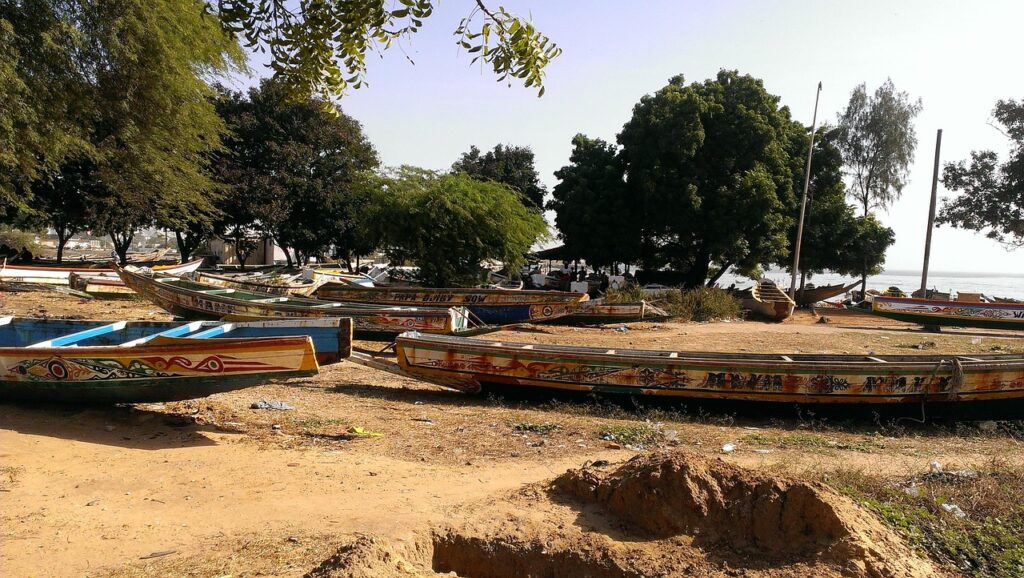
Image: Dakar, Senegal — representative imagery of the Senegalese parliament and capital city.