
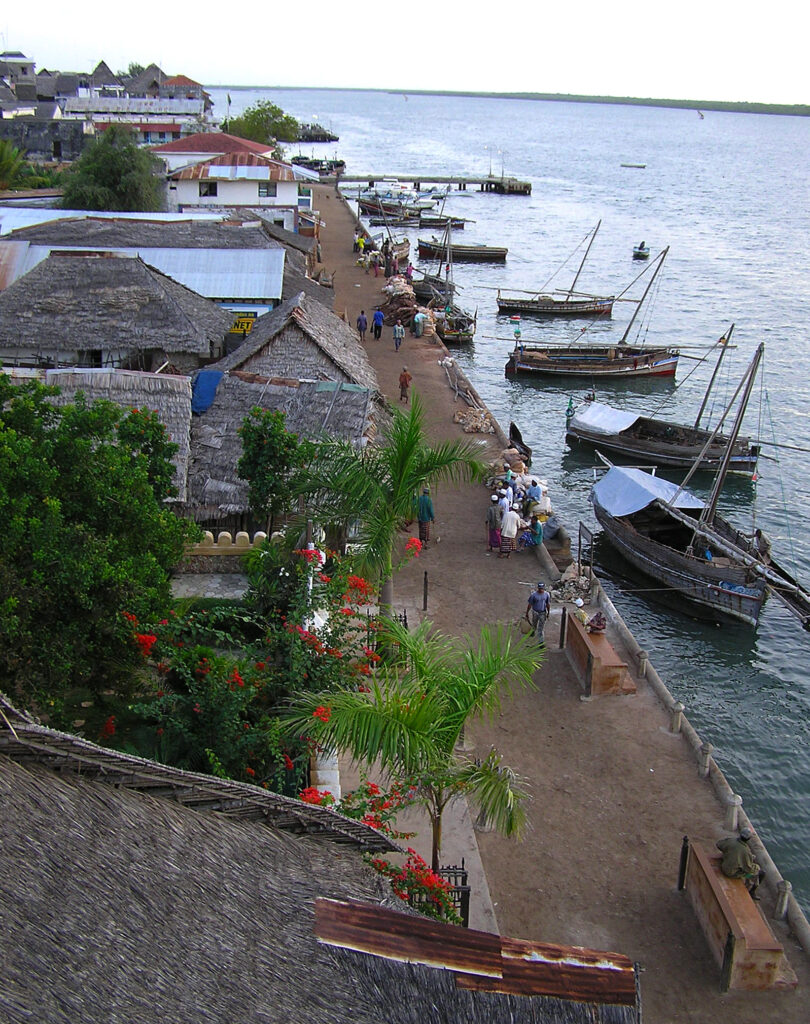
The cranes at Lamu Port are busier than they have ever been. What was once a sluggish infrastructure project, years behind schedule and largely ignored by global shipping firms, has suddenly become one of the most strategically significant pieces of real estate in the Indian Ocean. The reason is simple: the Hormuz Strait, the narrow maritime chokepoint through which roughly a fifth of the world’s oil supplies pass, has become unreliable.
The convergence of geopolitical fractures across the Middle East — from Iranian threats to commercial shipping, to the broader shadow of the US-China trade war rippling across Asian ports — has shipowners, oil majors, and logistics companies casting around for alternatives. Lamu Port, sitting at the mouth of the Gulf of Aden on Kenya’s northern coast, is increasingly looking like the answer they did not know they needed.
A Decade in the Making
The Lamu Port South Sudan Ethiopia Transport (LAPSSET) corridor project was first conceived over a decade ago as a bold bid to open a new trade route for landlocked South Sudan and Ethiopia, giving them direct access to the sea without relying on the congested port of Mombasa. When the first three berths officially opened in May 2022, few expected immediate uptake. But the convergence of crises has changed the calculus.
Ethiopia, which lost its direct Red Sea access following the independence of Eritrea in 1993, has long sought an alternative route for its exports and imports. The Port of Djibouti had been its primary corridor, but expanding diplomatic tensions and concerns about over-reliance on a single route have pushed Addis Ababa to explore alternatives. Lamu offers a viable — if still developing — option.
The Numbers Are Growing
According to Kenya Ports Authority data, Lamu handled a record volume of cargo in the first quarter of 2026, with a 47 percent increase year-on-year. Container transshipment through the port has grown particularly sharply, driven in part by shipping lines rerouting away from traditional Gulf routes.
Industry analysts note that Lamu is still years away from rivaling Mombasa or Djibouti in terms of throughput. The port currently operates just three functional berths, with a fourth under construction. The surrounding infrastructure — rail links, road connections, customs clearance facilities — remains uneven. But the trajectory is unmistakable.
Strategic Implications for the Region
The significance of Lamu extends beyond raw cargo volumes. The port anchors a broader geopolitical reorientation of East African trade. China, which financed much of the original LAPSSET infrastructure, has watched Lamu with keen interest, seeing it as another node in its Belt and Road maritime network. European Union trade analysts have flagged the corridor as a potential route to diversify supply chains away from routes vulnerable to Middle Eastern volatility.
For South Sudan, whose oil exports have long depended on pipelines running through Sudan to the Red Sea, Lamu offers a tantalising new logistics pathway — though the civil conflict gripping parts of the country continues to complicate large-scale infrastructure investment.
What Comes Next
Kenya’s government has committed to expanding Lamu into a full 32-berth port, backed by a mix of Chinese, European, and Gulf investment pledges. Aviation and maritime analysts say the next 18 months will be decisive: if the port can demonstrate reliable operations and efficiency gains, major shipping alliances will begin scheduling regular calls. If bureaucratic delays, security concerns, and infrastructure gaps persist, the opportunity could narrow.
What is clear is that Lamu Port has moved from the planning board to the world stage. Whether it becomes a transformative hub or a cautionary tale about overpromised infrastructure will depend on execution — and on whether the geopolitical tailwinds that brought it relevance continue to blow.
Image: Lamu Coast, Kenya — Wikimedia Commons (Public Domain)