
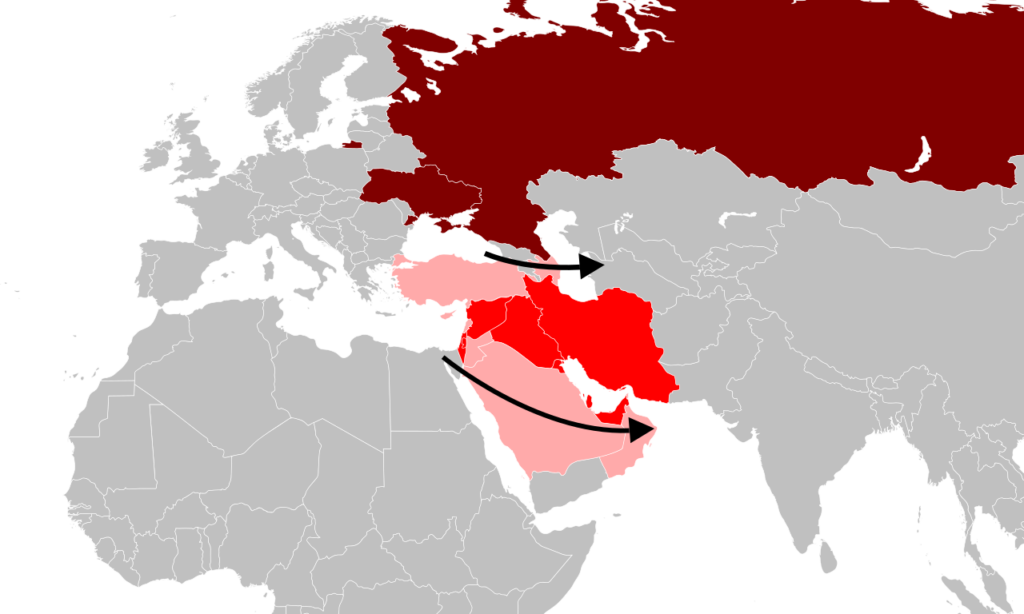
The outbreak of full-scale conflict in Iran has sent shockwaves rippling across Africa, with the continent’s economies facing a sudden and severe energy security crisis. The war — which has disrupted key shipping lanes, shuttered a significant share of global oil and gas infrastructure, and triggered panic in commodity markets — is testing Africa’s already fragile economic resilience and exposing the continent’s dangerous dependence on imported fossil fuels.
According to the International Energy Agency (IEA), the conflict has already led to the suspension of nearly one-fifth of global crude oil and natural gas supply. Major shipping insurers have rerouted vessels away from the Persian Gulf and the Strait of Hormuz — through which a substantial portion of the world’s oil flows — dramatically increasing transit times and costs for alternative routes.
For Africa, the timing could scarcely be worse. Many African economies — from Nigeria, the continent’s largest oil producer, to import-dependent nations across West and East Africa — had been counting on stable global energy prices to manage domestic inflation and fund development priorities. The sudden shock has upended those calculations.

Africa’s Fuel Bill Skyrockets
In Nigeria, already struggling with a depreciating naira and chronic refinery shortages, the Iran war has pushed gasoline pump prices up by a staggering 65 percent — the steepest increase among major African economies. Despite the fanfare surrounding the Dangote Refinery’s launch, the facility has found itself battling surging crude import costs and domestic supply chain disruptions, leaving Nigerian consumers to bear the brunt of global market turmoil.
Across West Africa, diesel and kerosene prices have jumped by between 30 and 50 percent since the conflict escalated in late February 2026. In Ghana, Kenya, and Ethiopia — all of which rely heavily on imported fuels — transport costs have begun to ripple through supply chains, threatening food prices and stoking inflationary pressures that could undo hard-won economic gains.
South Africa, whose ports serve as a key transit hub for Southern African fuel distribution, has seen fuel prices rise by over 40 percent. The government has moved to cap domestic prices temporarily, a measure that critics say is unsustainable and risks depleting state resources.
The Deeper Vulnerability
For years, African leaders have spoken about the need to reduce the continent’s dependence on imported fossil fuels. The Africa Energy Commission and the African Union’s Agenda 2063 have both set ambitious targets for renewable energy expansion. But progress has been slow, constrained by financing gaps, policy inconsistency, and the persistent lobbying power of the fossil fuel industry.
The Iran war has laid bare how little of that talk has translated into action. Even as African governments grapple with the immediate fuel shock, analysts say the crisis should serve as a wake-up call for accelerated investment in solar, wind, and geothermal energy — resources that Africa possesses in abundance.
“The question is whether African governments will use this crisis as an excuse or an impetus,” said Dr. Amina Diallo, an energy policy researcher at the University of Nairobi. “There is no good time to transition, but there are crises that make it more urgent. This is one of them.”
Climate campaigners have pointed to the irony of a continent that contributes the least to global carbon emissions bearing some of the heaviest costs of a fossil-fuel-driven conflict elsewhere.
Fragile States at Greatest Risk
Beyond economic disruption, the energy crisis poses a direct threat to political stability in already fragile states. In Somalia, Chad, and the Democratic Republic of Congo — all of which depend on imported fuel for transport, communications, and basic services — humanitarian organizations have warned that the price surge could force difficult trade-offs between fuel, food, and medicine.
International financial institutions, including the IMF and the World Bank, have begun emergency consultations with affected African governments. But with global attention focused on the conflict itself, and with Western governments simultaneously managing their own energy security challenges, Africa risks being pushed to the margins of the international response.
As the war in Iran continues with no end in sight, Africa’s leaders face a reckoning. The continent may not be able to influence the outcome of events in the Persian Gulf, but the choices they make in response — whether to double down on fossil fuels or accelerate the transition to clean energy — will shape Africa’s economic trajectory for decades to come.