
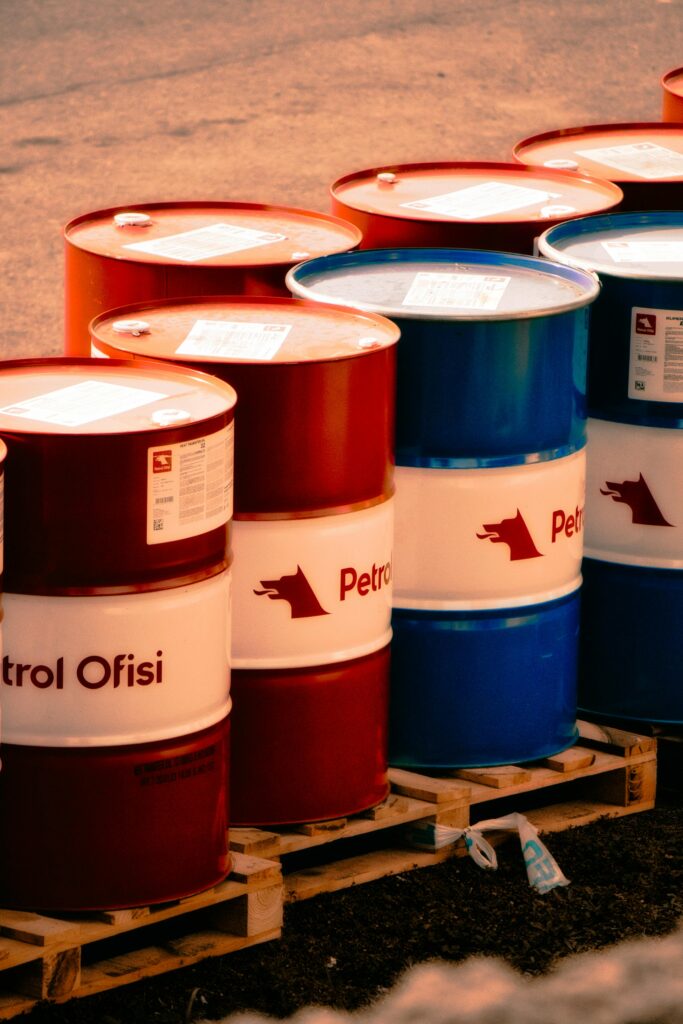
Global oil prices have surged to their highest levels since 2008 following Iran’s attacks on Saudi Arabian energy infrastructure and the subsequent blockade of the Strait of Hormuz, sending shockwaves through African economies that rely heavily on imported crude and refined petroleum products. Brent crude breached the $127 per barrel mark this week, up more than 35% from February levels, in what analysts are calling the most significant global energy shock since the Ukraine conflict began.
How the crisis unfolded
The escalation began when Iranian state media confirmed targeted operations against Saudi Arabian oil facilities in the Eastern Province, destroying an estimated 15% of the kingdom’s daily production capacity. Within hours of the strikes, Saudi Aramco declared force majeure on some export contracts. The attacks were widely described in regional media as retaliation for joint U.S.-Israeli military operations targeting Iranian nuclear and military assets over the preceding weeks.
The Strait of Hormuz—the narrow shipping channel through which approximately 21 million barrels of oil pass daily—remains open for now, but tanker insurance premiums have skyrocketed and several major shipping firms have rerouted vessels away from the Persian Gulf. The knock-on effect on freight costs is adding a secondary layer of inflation pressure to an already stressed global economy.
Why Africa is most vulnerable
For Africa, the timing could scarcely be worse. Most sub-Saharan African nations are net importers of refined petroleum products. Nigeria, which imports roughly 70% of its fuel despite being a major crude oil producer, faces an immediate challenge: the national fuel subsidy is coming under renewed strain. The Nigerian National Petroleum Company has warned that a sustained period of prices above $120 per barrel would require either a further increase in the subsidy budget or a pass-through to consumers at the pump, a politically explosive choice in Africa’s largest economy.
Egypt, which imports the majority of its energy needs and has been struggling with a foreign exchange shortage, faces similar pressures. Fuel queues have already been reported in parts of Cairo, and the government has moved to tighten controls on domestic fuel distribution. East African nations that import refined products from the Middle East—Kenya, Tanzania, Rwanda, and Burundi—are seeing transport costs rise, threatening to push food prices higher in landlocked economies where agricultural inputs depend on trucking.
A mixed picture for exporters
The picture is more complex for African oil exporters. Angola could see increased revenues if prices remain elevated, offering some fiscal relief. Libya’s National Oil Corporation has indicated it has limited capacity to increase production quickly given ongoing civil conflict. Mozambican LNG projects have drawn fresh attention from European buyers seeking alternatives to Russian gas, but the country is not yet positioned to meaningfully shift global oil markets.
Macro-economic fallout
The broader macroeconomic implications are troubling. The IMF had already been monitoring elevated debt distress levels across a dozen African economies. A prolonged oil price shock would worsen trade balances, put downward pressure on currencies, and complicate debt servicing for countries with external obligations denominated in dollars. Food price inflation—already acute in several countries following poor harvests—would likely accelerate as fertiliser costs and transport expenses rise.
Nigeria’s 650,000-barrel-per-day Dangote Refinery, the continent’s largest, has begun producing fuels for the domestic market and may partially cushion Nigeria from the worst effects, but the plant still requires imported crude and faces the same global price environment.
Global response
The global response to the oil crisis will likely dominate international diplomacy for weeks to come. Emergency meetings of the International Energy Agency have been convened, and the United States has signaled willingness to draw from its Strategic Petroleum Reserve. Whether these measures are sufficient to stabilize markets before African economies begin showing acute stress symptoms remains the urgent question facing policymakers from Abuja to Nairobi.