The Gulf Crisis and Its Ripple Effects on African Economies
As the war in the Middle East continues to disrupt one of the world’s most critical oil shipping corridors, African nations are counting the cost — and in some unexpected corners, discovering opportunity.
The Strait of Hormuz handles approximately 20% of global oil exports and nearly 90% of Persian Gulf oil. With that corridor now destabilised by conflict, global oil prices have surged by more than 50%, and 29 African currencies have weakened against the dollar, driving up the cost of servicing external debt and importing food, fuel and fertiliser.
Southern and East Africa are the most severely affected regions, according to the African Development Bank (AfDB), which — together with the African Union Commission, the United Nations Development Programme (UNDP) and the UN Economic Commission for Africa (UNECA) — released a landmark joint report at the 58th Session of the Economic Commission for Africa in Morocco.
The Knock-On Effects for African Households
The report highlights that this shock is propagating faster and through more concentrated channels than previous global disruptions — leaving African economies with far less time to adjust. More than 15 African nations source over half of their oil from the Middle East, making them acutely vulnerable to supply chain convulsions.
Disruptions to Gulf energy supplies are also threatening access to ammonia and urea during the critical March-to-May planting season, putting agricultural output at risk and raising the spectre of severe food insecurity across the Sahel and East Africa.
Speaking at a press conference in Tangier, African Union Commission Chairperson Mahamoud Ali Youssouf warned: “Continued escalation of the conflict worsens global instability, with serious implications for energy markets, food security and economic resilience, particularly in Africa where economic pressures remain acute.”
Countries Acting to Cushion the Blow
Several African governments have already moved to shield citizens from the worst of the inflation surge. Morocco has suspended customs duties and VAT on oil imports, deploying digital platforms to target support at public transport operators and vulnerable households rather than universal subsidies. Kenya has established a government-to-government fuel procurement framework that is absorbing macroeconomic shocks — and its 96% renewable energy mix has reduced fossil fuel dependence.
Burundi has aligned monetary and fiscal policy to stabilise inflation and exchange rates, while Botswana has shifted from broad subsidies to targeted support for vulnerable groups and specific sectors, alongside incentives for renewable energy investment. South Africa and Namibia have temporarily capped fuel price increases by reducing the general fuel levy.
Can the Crisis Become a Catalyst?
There is a counter-narrative emerging from the same report. “Africa is being hit by another external shock. This time the impacts are being felt much faster, the vulnerabilities are starker, but the opportunities are also much clearer,” said Uhunna Eziakonwa Onochie, Director of the UNDP Regional Bureau for Africa.
She argued that “Africa cannot continue to outsource its stability” and pointed to the potential for increased local fertiliser production — Morocco, Nigeria and Egypt are already major producers — and faster implementation of the African Continental Free Trade Area (AfCFTA), under which intra-African trade currently stands at a mere 17%.
Energy shocks are simultaneously accelerating investment in renewables, while trade disruptions are reinforcing the urgency of building regional value chains that can insulate the continent from future external shocks.
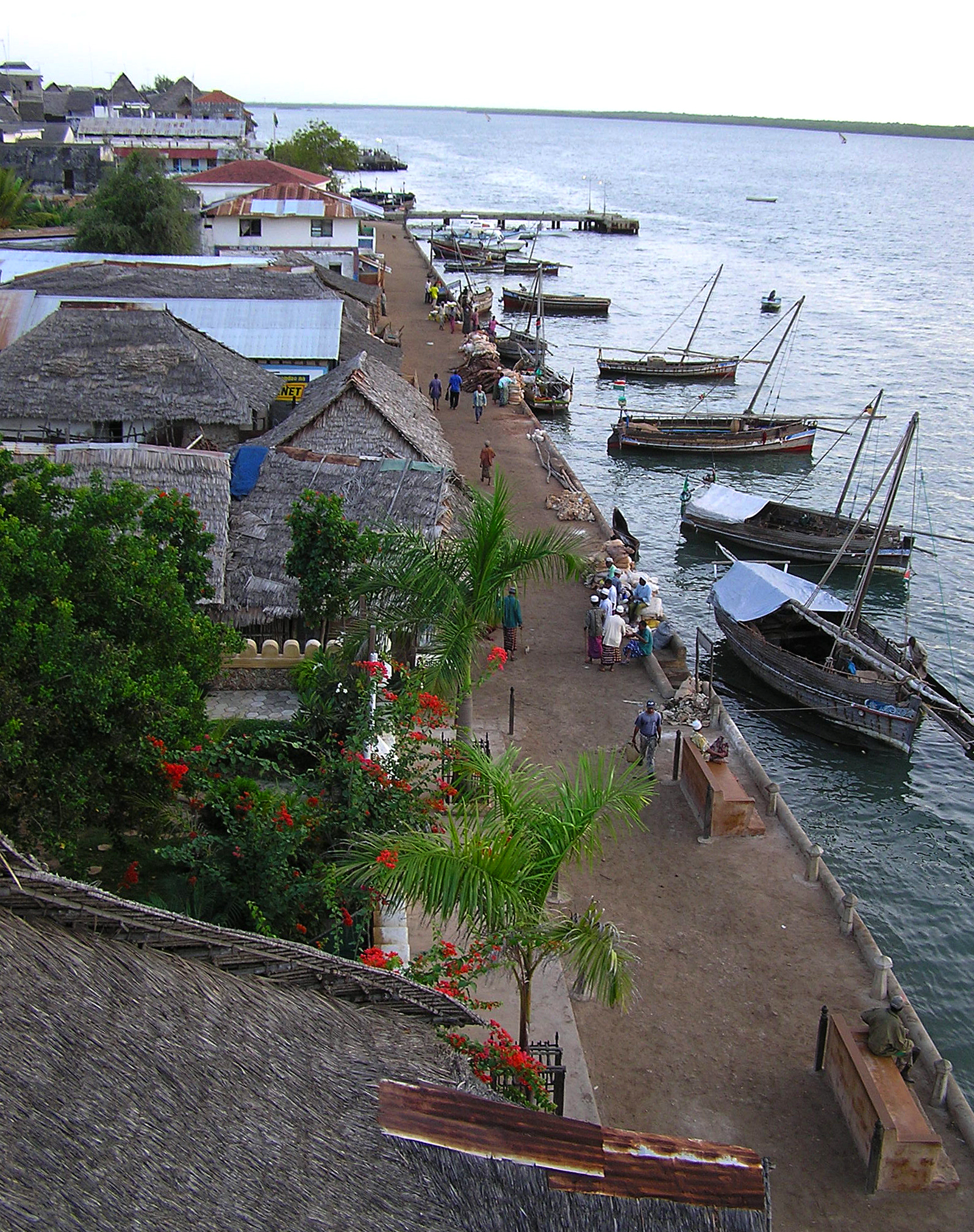
Photo: Lamu Port, Kenya — Wikimedia Commons (CC BY-SA)