
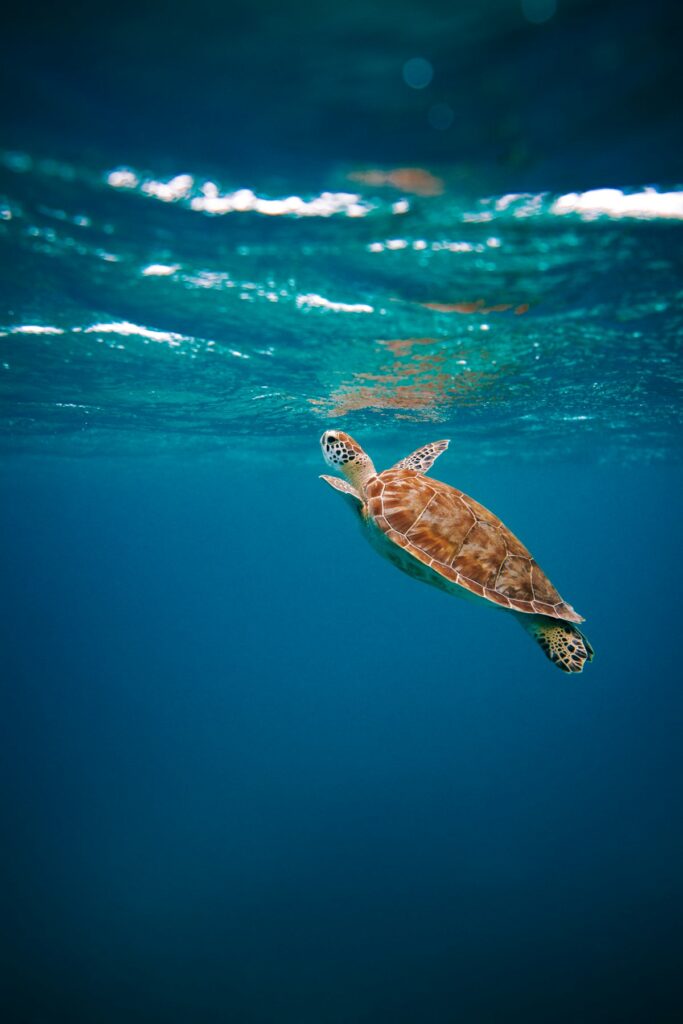
Along Gabon’s 900-kilometre Atlantic coastline, where four species of sea turtles come to nest between October and March, a small band of eco-rangers are waging a battle against impossible odds. For every thousand hatchlings that scramble toward the sea, only one will survive to adulthood. Now, funding shortfalls are threatening to make those odds even worse.
The nesting season that runs from December to March represents the peak of the turtles’ annual cycle — and the most intensive period of work for conservation teams. Green turtles, olive ridleys, hawksbills, and leatherbacks all rely on Gabon’s beaches, which rank among the most important nesting sites in Central Africa. But the work of protecting those beaches has never been more precarious.
Predators take a heavy toll. crabs seize newly hatched turtles within minutes of their first journey to the sea, while birds pick off others before they even reach the waterline. But the rangers’ real enemy is not natural — it is the steady erosion of the beaches themselves, driven by rising sea levels and stronger storm surges linked to climate change, and the growing presence of plastic waste that chokes the coastal waters where juvenile turtles spend their early years.
Compounding the problem is money. Gabon has historically committed resources to marine conservation, but as the country faces broader economic pressures, the budgets allocated for patrol teams, equipment, and nest monitoring have come under strain. Several conservation programmes have been forced to scale back the frequency of their beach patrols, leaving stretches of coastline unwatched during critical hours.
Compounding the problem is money. Gabon has historically committed resources to marine conservation, but as the country faces broader economic pressures, the budgets for patrol teams, equipment, and nest monitoring have come under strain. Several conservation programmes have been forced to scale back the frequency of their beach patrols, leaving stretches of coastline unwatched during critical hours.
What is at stake extends beyond a single species. Sea turtles play a key role in maintaining the health of marine ecosystems — they graze on seagrass beds, help control jellyfish populations, and their eggs provide nutrients to beach ecosystems. Their decline would send ripples through Gabon’s coastal environment in ways that would take decades to reverse.
For the eco-rangers who walk the beaches nightly during nesting season, the work is personal. Many have done this for years, even decades, and speak of the turtles with something close to familial attachment. But they are the first to acknowledge that what they are doing, at current levels of resource, is not enough to reverse the trend. Without greater investment — from government, from international partners, or from private sector conservation initiatives — the one-in-a-thousand odds may soon become one in ten thousand.