
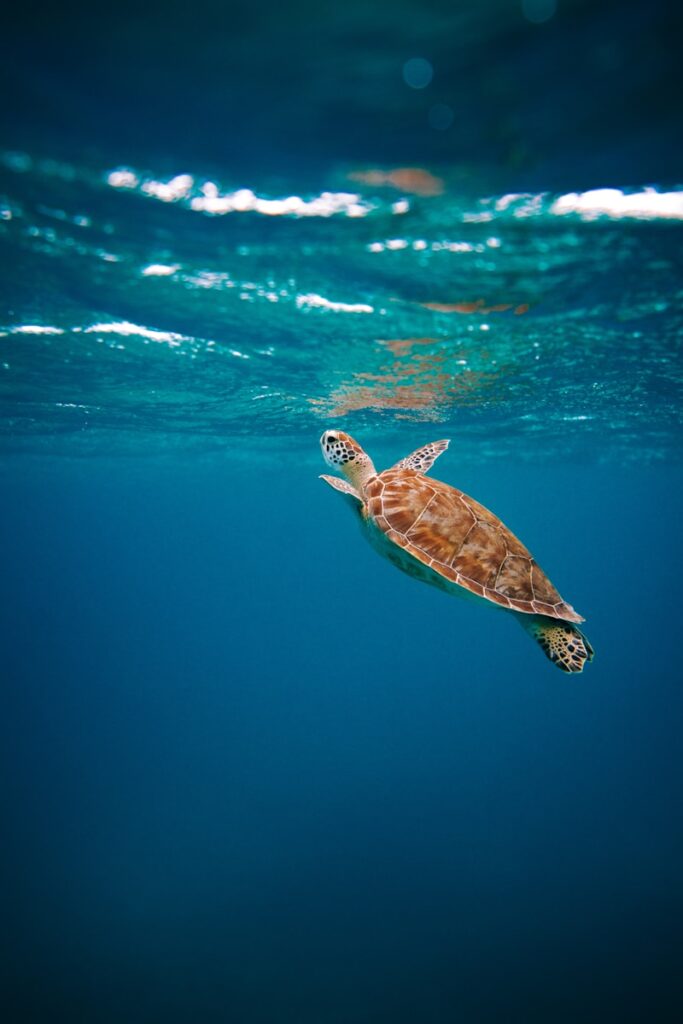
Along a remote stretch of Gabon’s Atlantic coastline, a small band of volunteer eco rangers is waging a quiet but determined battle to protect endangered sea turtles from poachers, climate change, and the relentless encroachment of modern life — with little more than flip-flops, headlamps, and an abiding love for the ocean.
A Fragile Sanctuary
Gabon, a Central African nation best known for its dense rainforests and vast oil reserves, harbors one of the most important sea turtle nesting populations on the entire African continent. Four species of sea turtle — leatherback, hawksbill, green, and olive ridley — use Gabon’s beaches to lay their eggs, drawn to the country’s relatively pristine coastline and the rich marine ecosystems of the Corisco Bay and the wider Gulf of Guinea.
But Gabon’s turtles face mounting pressure. Coastal development is encroaching on nesting beaches. Plastic pollution chokes the ocean waters. Climate change is altering sand temperatures and disrupting the delicate sex ratios that determine population growth. And poachers collect turtle eggs and, occasionally, adult turtles themselves, for food and sale.
We Are the Last Line of Defense
Marie-Claire Nguéma, 28, has been patrolling the beaches of her village near Cocobeach for six years. She started when she was barely out of secondary school, trained by a now-retired Gabonese marine biologist who recognized her passion and her ability to connect with the community.
“When I tell people I’m going to protect sea turtles, they laugh,” she says with a grin. “They say, ‘Why? They’re just animals.’ But they’re not just animals. They’re the ocean’s heartbeat. If they disappear, something inside the sea dies — and the sea is what feeds us.”
Each night during the July-to-October nesting season, Marie-Claire and her fellow rangers walk up to 15 kilometers of beach, scanning for the distinctive tracks left by female turtles as they haul themselves onto the sand to lay.
Data as a Weapon for Change
What sets Gabon’s eco rangers apart from well-meaning conservation efforts in many other African nations is their commitment to data. Using a simple smartphone app developed by an international marine conservation NGO, the rangers record every nest, every hatching, every predator attack, and every human disturbance.
The data has already produced important insights. It has shown that hatchling survival rates on unprotected beaches can be as low as one in a thousand — compared to rates of nearly one in ten on beaches where rangers actively manage predator and human interference.
The Climate Wild Card
Even the most dedicated rangers acknowledge that their work is being undermined by forces far beyond their control. Rising sea levels threaten to inundate low-lying nesting beaches. Warmer sand temperatures are producing heavily skewed sex ratios, with some beaches now producing almost entirely female turtles.
The Next Generation
Perhaps the most encouraging sign for Gabon’s turtle conservation efforts is the demographic shift underway in the ranger network. Teenagers as young as 14 now accompany their older siblings and cousins on night patrols.
“The kids now grow up knowing that the turtle on the beach is something to protect, not something to eat,” says Jean-Robert Mbeng, who coordinates the volunteer ranger network across five coastal villages. “That wasn’t true ten years ago. That’s a real change.”