
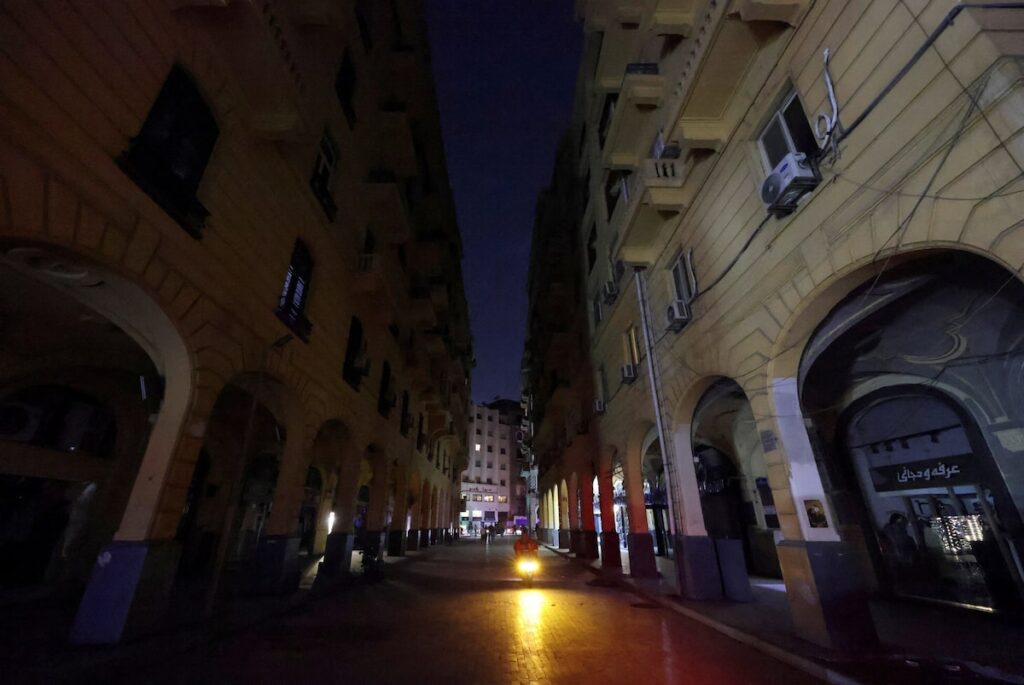
For as long as anyone can remember, Cairo earned its reputation as the city that never truly slept. Cafes spilled onto pavements. Traffic hummed past midnight. The boulevards glowed with light and life deep into the early hours. In a country where the evening is the heartbeat of commerce, relationships, and culture, late-night Cairo was not merely a lifestyle — it was an economy.
That identity is now under unprecedented strain. In March 2026, the Egyptian government ordered all commercial establishments — including malls, shops, and restaurants — to close by 9:00 PM for one month. Street lighting has been reduced across long stretches of the capital. The shutters are coming down earlier, and the conversations that once filled the night air are going quiet.
The Energy Arithmetic
The cause is not ideology or policy preference. It is a stark and painful arithmetic of energy economics. Egypt’s energy import bill has more than doubled since the U.S.-Israeli war on Iran sent fuel prices surging across global markets. The government has been forced to raise domestic fuel prices by up to 17 percent, increase public transport fares, and slow infrastructure projects — all while managing an economy still recovering from a currency collapse and a debt burden that never fully went away.
“Electricity demand has continued to rise,” said Electricity Minister Mahmoud Essmat. “Usage on the grid is growing by an average 7 percent a year.” While the state subsidises natural gas for electricity production at around $4 per unit — well below global market prices — the fiscal cost of maintaining that subsidy has become unsustainable at current international prices.
Life After 9 PM
The impact is rippling through every layer of Egyptian society. At a sports gym in the affluent suburb of Maadi, sales agent Sameh Mohamed said reduced evening hours had chased away a segment of clients who could no longer fit a workout into their post-work schedule. At his accessories store, Hussein Galal, 54, said daily takings had fallen from around 1,000 Egyptian pounds to roughly 500 — while wages, rent, and taxes remained unchanged.
For Sayed Zaama, a cafe owner in Maadi, the atmosphere has changed dramatically. “As soon as the Isha prayer is finished… you are now past the time when Cairo truly has a different look, feel and atmosphere,” he said. “All of Cairo’s work is done at the coffee shop. People’s relationships, meetings… everything happens there. When people stay at home, people get frustrated.”
Tourism at Risk
The government’s balancing act is complicated by the importance of tourism — one of Egypt’s most critical foreign currency earners. Tourism revenues rose to $17.1 billion in 2025/26, up from $10.7 billion in 2021/22, and projections envision nearly $29 billion by 2030/31. Whether Cairo returns to its old rhythms depends less on Egyptian policy than on the trajectory of a wider regional war whose end remains impossible to predict.