
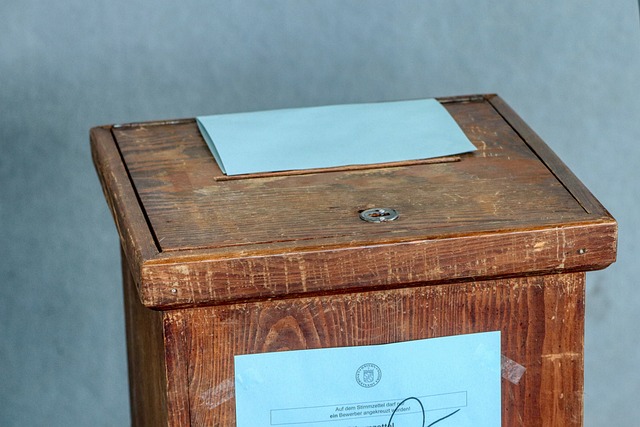
Benin Votes for a New President — And a New Era
Polls opened in Benin on Sunday morning in a presidential election that will determine who succeeds outgoing President Patrice Talon — and, many observers argue, the future direction of democracy in the West African nation. With nearly eight million eligible voters called to the ballot boxes, the election marks a defining moment for a country that has undergone a dramatic political transformation over the past decade.
The Man Most Likely to Win: Finance Minister Romuald Wadagni
The overwhelming favourite is Finance Minister Romuald Wadagni, who has held the country’s purse strings for the past decade and become synonymous with Benin’s remarkable economic expansion. During his tenure, Benin’s GDP has doubled, growth has consistently exceeded six percent annually, tourism has flourished, and major infrastructure projects have transformed the physical landscape of the small coastal nation.
Wadagni’s candidacy was endorsed by Talon himself, who is stepping down after two five-year terms — a rarity in a region where incumbent presidents routinely修改 constitution to extend their rule. Talon’s willingness to step aside peacefully earned him international praise, though critics argue his time in office was marked by increasing authoritarianism, with opposition figures frequently jailed or blocked from running for office.
The Opposition: Paul Hounkpe and a Fractured Democratic Field
Wadagni’s main challenger is Paul Hounkpe, a moderate opposition figure whose campaign has been notably low-key. Hounkpe was forced to rely on support from ruling coalition lawmakers to secure the parliamentary endorsements required to appear on the ballot — a process that critics say highlights the structural disadvantages facing opposition candidates in Benin’s current political environment.
The main opposition party, The Democrats, chose not to field a candidate after its leader, Renaud Agbodjo, failed to gather the required number of endorsements. The exclusion of a major opposition figure has cast a shadow over the credibility of the election in the eyes of many Beninese voters.
Economic Boom, Persistent Poverty
Despite the headline growth figures, Benin’s economic boom has yet to translate into meaningful improvements for many citizens. The poverty rate remains above 30 percent, and inequality has widened during the Talon era. Public services — particularly in health and education — continue to underperform, and the country’s northern regions have been plagued by jihadist attacks emanating from neighbouring Burkina Faso and Niger.
Addressing extreme poverty is expected to be one of the first priorities for the next president. “The next phase of the country’s development will be the eradication of extreme poverty. That is one of his priorities,” said one of Wadagni’s close associates, speaking on condition of anonymity.
The Security Challenge in the North
Benin’s otherwise impressive growth story has been undermined by the spread of jihadist violence from Burkina Faso and Niger into its northern border regions. The JNIM (Jama’at Nusrat al-Islam wal-Muslimin), the Al-Qaeda-linked group that has ravaged the Sahel, has conducted deadly raids against Beninese army outposts, displacing thousands and creating a humanitarian crisis in already marginalised communities.
Whether Wadagni — or Hounkpe — will be able to manage this security threat more effectively than the current administration remains to be seen. The army’s loyalty will be crucial: it played a decisive role in repelling a coup attempt against Talon in December, suggesting it remains a relatively cohesive institution despite the pressures it faces.
A Constitutional Marathon — No Elections Until 2033
One unusual feature of this election is that whoever wins will not face the electorate again until 2033. A constitutional reform passed last year extended the presidential term from five to seven years and synchronised all elections — meaning the next opportunity for Beninese voters to pass judgment on their new leader will be seven years away. Critics say this arrangement removes a critical accountability mechanism from a political system that already suffers from too few checks on executive power.
As polling stations closed and vote counting began, all eyes were on Cotonou to see whether Wadagni would secure the comfortable majority the polls predicted — or whether the voter apathy and opposition frustration that many observers had predicted would manifest in a surprise result.