Karenga Residents Push for Stronger Response to Teenage Pregnancy and Child Marriage
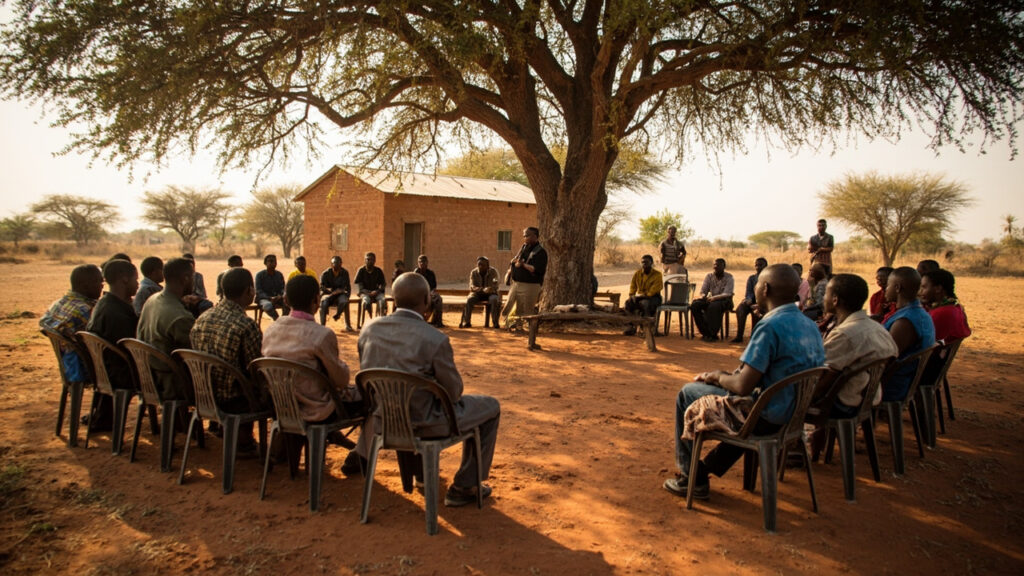
Residents, local leaders and government officials in Karenga District have called for stronger community involvement to curb rising teenage pregnancies and child marriages, urging families and institutions to keep girls in school and protect them from early marriage.
The concerns surfaced during a dialogue convened in Karenga by Reproductive Health Uganda, the country’s oldest sexual and reproductive health organisation, according to AllAfrica, which carried reporting by the New Light newspaper. Participants included community members, district officials and representatives of groups working on women’s rights, all of whom described teenage pregnancy as a worsening problem in the area.
Karenga District lies in the remote Karamoja sub-region of northeastern Uganda, a semi-arid area that was carved out of Kaabong District in 2019 and remains one of the country’s least developed. The region has long struggled with poverty, food insecurity and low school enrolment, particularly among girls, and traditional practices around early marriage continue in some communities despite national laws setting the minimum age of marriage at 18.
Reproductive Health Uganda, an affiliate of the International Planned Parenthood Federation, runs clinics and outreach programmes across the country focused on family planning, maternal health and adolescent reproductive rights. The Karenga meeting forms part of its wider community engagement work in underserved districts, as AllAfrica reported.
During the dialogue, residents urged traditional and religious leaders to speak out against child marriage and called on schools and parents to monitor attendance and support girls who drop out. Local officials were encouraged to enforce existing child-protection laws more rigorously.
Uganda’s national Demographic and Health Survey has consistently recorded high rates of teenage pregnancy, with adolescent girls in rural and northern regions disproportionately affected. Campaigners say community-led conversations such as the Karenga meeting are an important first step, but stress that sustained investment in education, health services and economic opportunities for girls is needed to reverse the trend.
Sources
This report was written from coverage published by the following news organisations. Follow the links for the original reporting.