Africa at an Energy Crossroads: Namibia’s Green Hydrogen Push and South Africa’s Transition Debate
Africa stands at a pivotal moment in its energy development, with two of its southern nations charting notably different paths that could shape the continent’s economic trajectory for decades to come.
Namibia’s emerging role
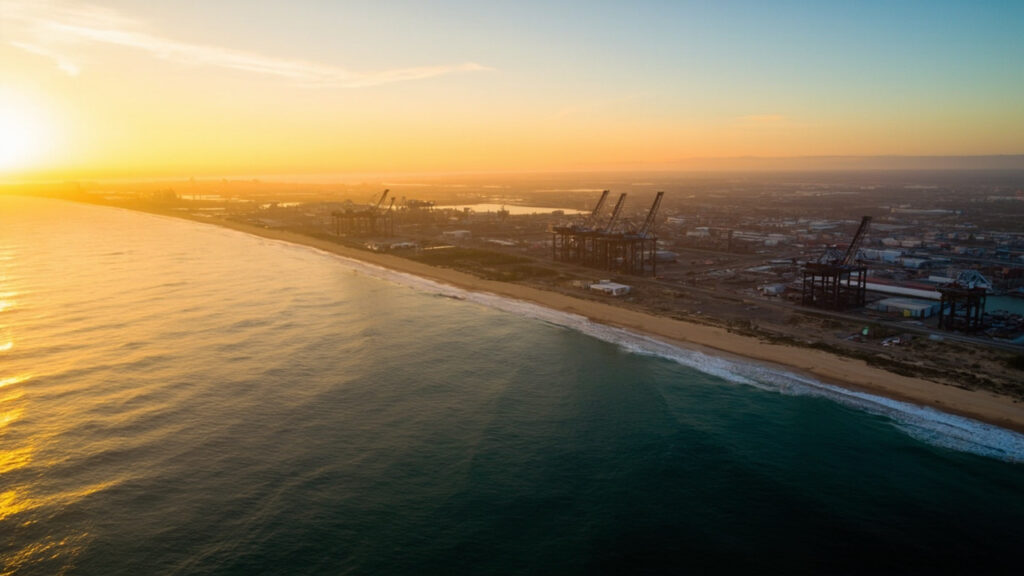
In Namibia, a series of major offshore oil and gas discoveries in the Orange Basin has positioned the country as an emerging hydrocarbons player, while parallel investments in green hydrogen infrastructure have drawn significant international attention. The country has sought to leverage its vast solar and wind resources alongside ambitions to become a leading exporter of green hydrogen, a fuel produced from renewable electricity. International energy companies and development finance institutions have expressed interest in supporting infrastructure that could link renewable generation to coastal facilities for export, reflecting Namibia’s appeal as a site for large-scale clean energy projects.
South Africa’s transition debate
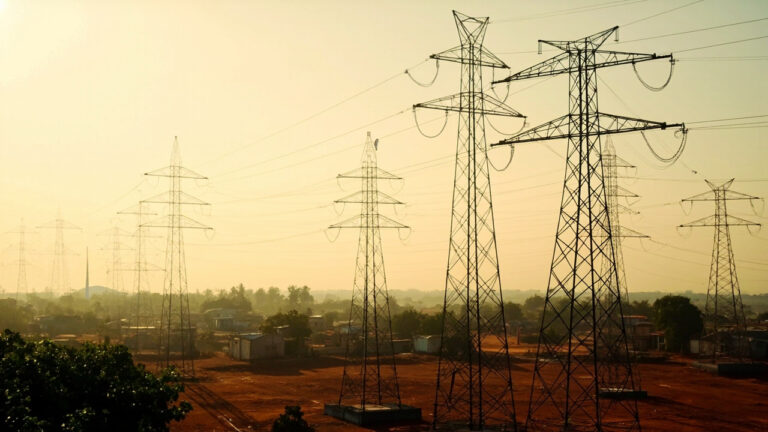
South Africa, by contrast, finds itself navigating the complexities of a mature but carbon-intensive energy system. The country remains heavily dependent on coal-fired power, even as it pursues one of the world’s most closely watched just energy transitions. International partners have committed substantial funding to support South Africa’s shift toward renewables and the retirement of aging coal plants, though the pace and political management of the transition continue to generate debate among policymakers, labor unions, and industry stakeholders. Questions about grid stability, financing, and the future of coal-dependent communities remain central to the national conversation.
Broader implications for the continent
The contrast between Namibia and South Africa illustrates a broader question facing the continent: how to balance immediate energy needs and economic development with longer-term decarbonization goals. Countries endowed with abundant renewable resources see new opportunity, while those with established fossil-fuel industries confront the challenge of managing workforce transitions and maintaining reliable electricity supply. For African governments, investors, and international partners alike, the outcomes in these two nations are likely to inform approaches elsewhere on the continent, where energy demand is rising and investment decisions taken today will shape economies for generations.
Source: AllAfrica — read the original report.