Ceuta returns to calm after massive migrant influx as EU pushes for emergency talks

The Spanish enclave of Ceuta appeared on Saturday to be returning to relative normality, according to officials cited by French broadcaster France 24, after an estimated 60,000 migrants crossed into the North African territory from neighbouring Morocco over the course of just a few days. The sudden influx, one of the largest in the enclave’s recent history, has put local migration infrastructure under severe strain and prompted renewed debate across Europe about border management and the responsibility of EU member states.
A dramatic few days
The surge in arrivals saw people, many of them from sub-Saharan Africa, enter Ceuta by swimming along the coast, wading through shallow waters, and crossing the land border with Morocco. At least 67 people lost their lives in the attempt, according to figures reported by France 24, underscoring the dangers of one of the most heavily trafficked migration routes between Africa and Europe. By Saturday, officials said almost all of those who had crossed had voluntarily returned to Moroccan territory or been transferred onward.
Spain’s response
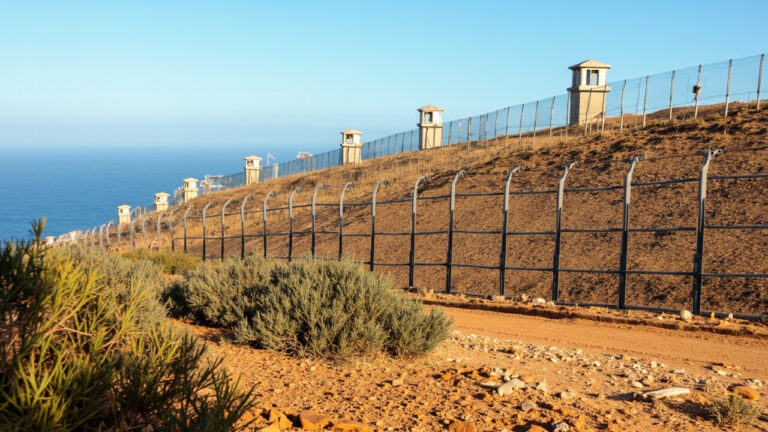
Spanish authorities have announced plans to install a 500-metre-long containment barrier along the sea border, an engineering measure intended to deter future crossings by sea. Ceuta, along with the neighbouring enclave of Melilla, has long been one of the most porous points on the European Union’s external frontier. The two Spanish territories sit on the Mediterranean coast and are surrounded by Moroccan territory, leaving them uniquely exposed to shifts in Rabat’s migration enforcement.
EU-wide pressure
Beyond Madrid, the crisis has reverberated across the bloc. A majority of EU member states have signed an open letter to the union’s interior ministers calling for emergency talks on the situation, reflecting frustration over what some governments see as an absence of a coordinated European response to sudden migration surges. The letter highlights how a bilateral matter between Spain and Morocco can rapidly escalate into a wider European issue.
A familiar pressure point
Ceuta and Melilla have for decades served as gateways for Africans seeking to reach European soil, and periodic influxes have repeatedly tested the enclaves’ resources and political consensus. Past episodes, including major crossings in 2005 and again in 2021, were followed by diplomatic rows with Rabat and tightening of border controls. Saturday’s apparent return to calm does not resolve the underlying pressures driving migration from across Africa, nor the questions the latest events have raised about how the EU should respond when tens of thousands of people arrive within a matter of days.
Source: FRANCE 24 — read the original report.