Iranian Lawmakers Advance Bill Seeking Formal Control Over the Strait of Hormuz
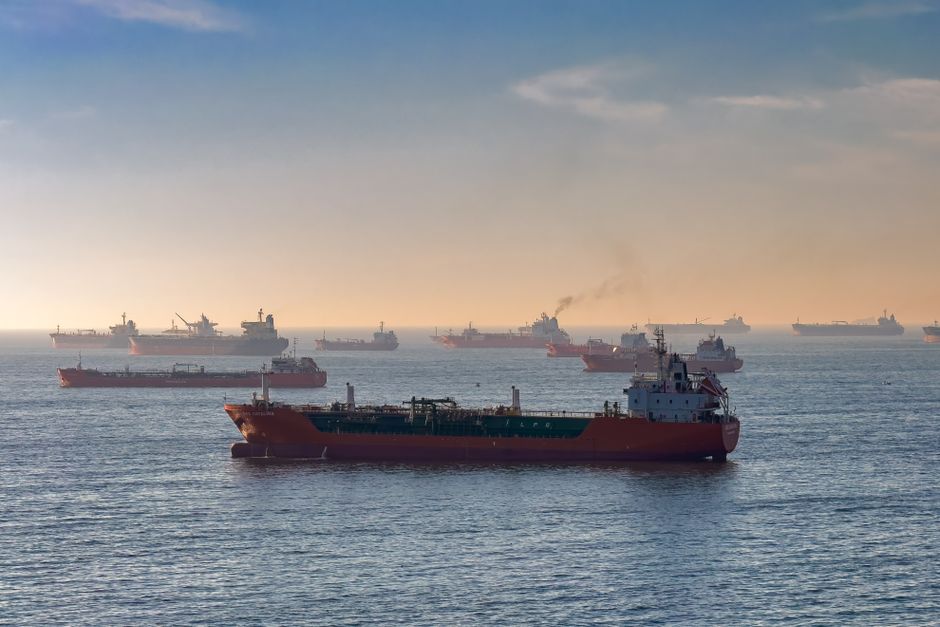
Hardline members of Iran’s parliament have tabled legislation aimed at formalising the country’s authority over the strategic Strait of Hormuz, a move that observers say is designed to complicate any potential negotiations with the United States as tensions between Tehran and Washington intensify.
A Bill to Codify Control
The proposed bill, presented by a faction of conservative MPs, seeks to translate into law what Iranian officials have long asserted as a matter of national policy: that Iran holds primary responsibility for managing passage through the narrow waterway at the mouth of the Persian Gulf. Supporters of the legislation argue that codifying these arrangements in domestic law would strengthen Iran’s negotiating position and provide a legal framework for regulating foreign maritime activity in the strait.
Strategic Importance of the Waterway
The Strait of Hormuz is one of the world’s most critical energy chokepoints, through which a significant share of globally traded oil passes each day. Any disruption to shipping in the corridor has the potential to ripple across international energy markets, affecting prices and supply chains far beyond the Middle East. The waterway’s narrow shipping lanes, bordered by Iran to the north and Oman to the south, have long placed Tehran in a position of considerable leverage over regional and global commerce.
Undermining Diplomacy?
Critics, both inside and outside Iran, have suggested that the timing of the bill is significant. By embedding claims to the strait in national legislation, lawmakers may be seeking to narrow the space available to future Iranian negotiating teams, making it politically harder for any government to offer concessions on maritime access or security arrangements. Analysts note that similar hardline parliamentary maneuvers in recent years have been used to constrain diplomatic flexibility on issues ranging from nuclear talks to regional security.
Broader Context of US-Iran Tensions
The legislation comes against a backdrop of escalating friction between Iran and the United States, with reports indicating an intensification of confrontation on multiple fronts. Iranian officials have framed the bill as a defensive measure, intended to safeguard the country’s sovereignty and deter what they describe as foreign interference in regional waters. The proposal is likely to draw attention from international actors with interests in preserving freedom of navigation through the strait, including Gulf Arab states, European powers and major Asian energy importers.
As the bill moves through Iran’s parliament, its fate will offer an early indication of how the country’s leadership intends to balance hardline domestic political pressures against the demands of an increasingly tense international environment. Whether the legislation becomes law or remains a symbolic gesture, it underscores the centrality of the Strait of Hormuz in the wider struggle over influence and security in the Persian Gulf.
Source: Al Jazeera — read the original report.