Militia-like movements emerge in Chad as intercommunal violence surges
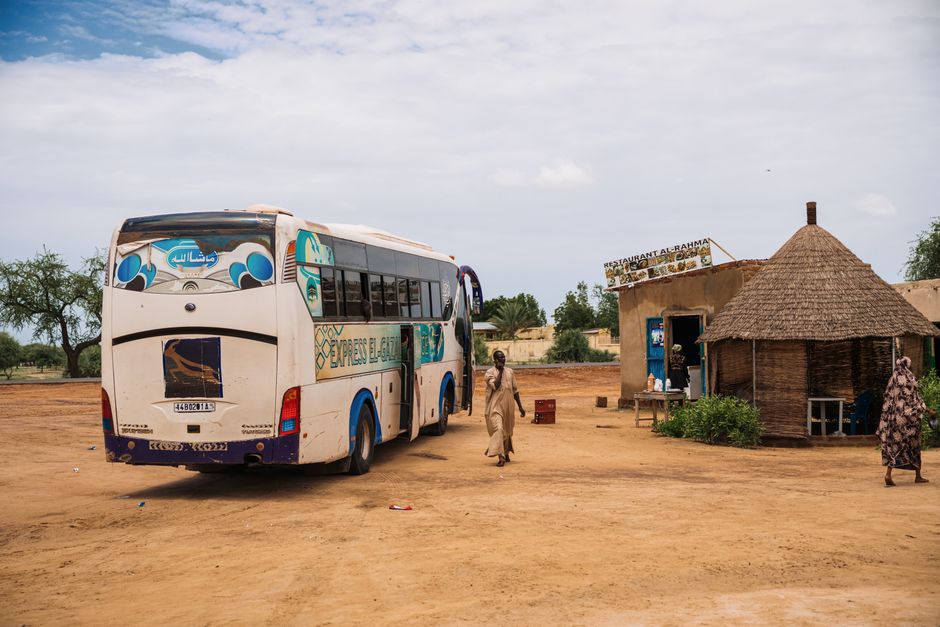
Chad is witnessing the emergence of militia-like movements as intercommunal violence intensifies across the country and the wider Lake Chad basin, according to local authorities and international observers. Officials have flagged at least five separate incidents in the past month alone, underscoring a worrying trend that has left communities increasingly vulnerable and stretched the capacity of security forces.
A mounting death toll
Over the past two years, intercommunal clashes in Chad have claimed more than 300 lives, a figure that highlights the scale of the bloodshed now gripping parts of the country. The violence has been fueled by long-standing tensions between farming and herding communities, competition over scarce resources, and the proliferation of armed groups operating in border regions. Local officials warn that the emergence of self-styled militias is adding a new layer of complexity to a security situation that is already difficult to contain.
Regional escalation across the Lake Chad basin
The United Nations has cautioned that instability is no longer confined to Chad but is spreading across the entire Lake Chad basin, a vast and economically fragile region straddling several countries. According to UN figures, the broader crisis has caused approximately 5,700 deaths since last November, a toll that reflects both the intensity and the geographic spread of the violence. Armed groups continue to exploit weak governance structures and porous borders, making coordinated regional responses difficult to enforce.
Humanitarian fallout and displacement
The surge in violence has also triggered significant population movements, with thousands of people forced to flee their homes in search of safety. Humanitarian organizations operating in the region have raised concerns about the deteriorating conditions faced by displaced families, many of whom lack access to adequate shelter, food, and medical care. The pattern of displacement has placed additional pressure on host communities already struggling with limited resources.
Challenges for Chad’s transitional authorities
The resurgence of intercommunal violence poses a serious challenge for Chad’s authorities, who are simultaneously managing a political transition and seeking to restore stability after years of unrest. Analysts note that the emergence of militia-like formations complicates efforts to reassert state authority and protect civilians, particularly in remote areas where central government presence remains limited. International partners, including the UN, have called for renewed efforts to address the root causes of the conflict, from competition over land and water to the spread of armed groups linked to broader regional insurgencies.
As violence continues to escalate, the humanitarian and security outlook for Chad and the wider Lake Chad basin remains deeply concerning, with communities caught in the crossfire facing an increasingly uncertain future.
Source: FRANCE 24 — read the original report.