Waiting for Moses: African Families Bear the Weight of Russia’s War
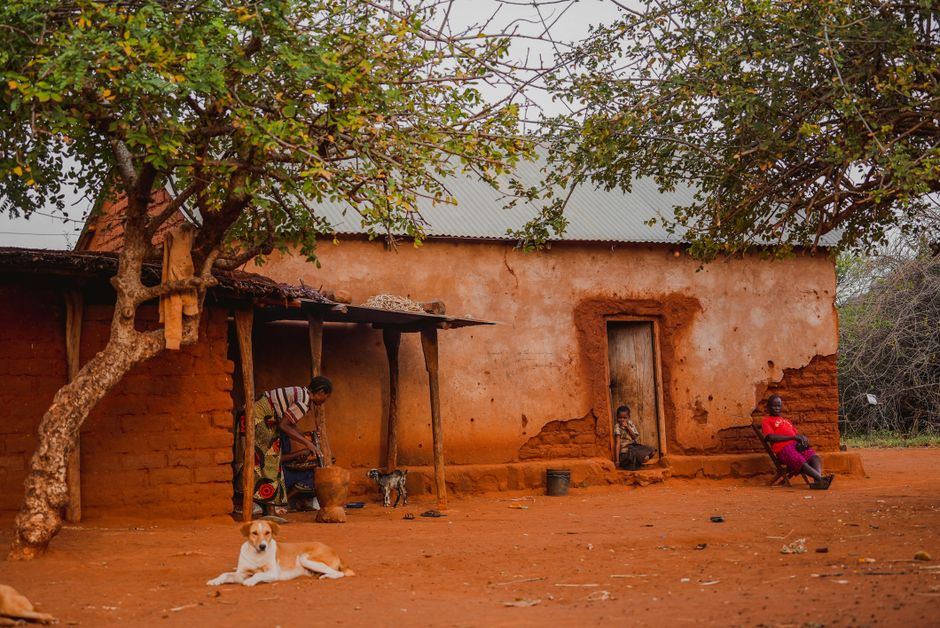
Across towns and villages in several African countries, families are waiting in anxious silence for word from relatives who left home with promises of work or opportunity — only to be swept into the machinery of Russia’s war in Ukraine. What was once framed as migration, study, or employment has, for some, become a journey into one of the deadliest conflicts of the era.
A continent’s sons caught in a foreign war
Reports in recent years have documented cases of African men — many of them from countries across the continent — being recruited to fight on Russian soil, sometimes through intermediaries, social media outreach, or offers of citizenship and pay. For some, the path began with contracts to serve in Russian auxiliary units. For others, it was marked by recruitment drives that targeted migrants already living in Russia, where African workers and students have long faced precarious legal status and limited protections.
The result is a humanitarian concern that stretches well beyond Europe’s borders. Families who once hoped for remittances or a path to a better life now find themselves watching international news coverage of a war they never signed up for, hoping to recognise a familiar face among the wounded, the detained, or the dead.
The cost of waiting
The psychological toll on these families is compounded by an information vacuum. Communication is often irregular, sometimes cut off entirely. Some relatives have described periods of silence lasting weeks or months, broken only by unverified messages or third-party accounts. Without consular support in many cases, families say they feel left to navigate a war they did not choose, dependent on journalists, activists, and informal networks for any news of their loved ones.
Community organisations in Africa and the diaspora have stepped in where official channels have struggled, sharing updates on social media, raising small amounts of money, and pressing foreign ministries for assistance. Yet the scale of the challenge has outpaced these grassroots efforts, leaving many to endure a slow, painful uncertainty.
A question of responsibility
The situation has raised difficult questions about the recruitment of foreign nationals — including Africans — into armed conflict, and about the obligations of states on both sides of the recruitment chain. Critics argue that migrants recruited under unclear or coercive conditions are exposed to risks without meaningful legal recourse, while supporters of Russia’s recruitment drives frame them as legitimate contributions to the war effort.
For African governments, the dilemma is particularly delicate. Several have called for the protection of their citizens abroad, and diplomatic channels have opened in fits and starts. But the geopolitics of the war — including longstanding ties between Moscow and a number of African capitals — complicate public advocacy.
A name, a symbol, a vigil
The figure of “Moses” evoked in the stories emerging from this crisis speaks to a deeper human current: the wait for deliverance, for return, for answers. Whether the name belongs to a single individual or to a symbol drawn from many such cases, it captures the posture of families across the continent who, for now, can only wait, watch, and hope.
Source: Al Jazeera — read the original report.