US Completes Troop Withdrawal from Nigeria After Joint Operation Against Islamic State
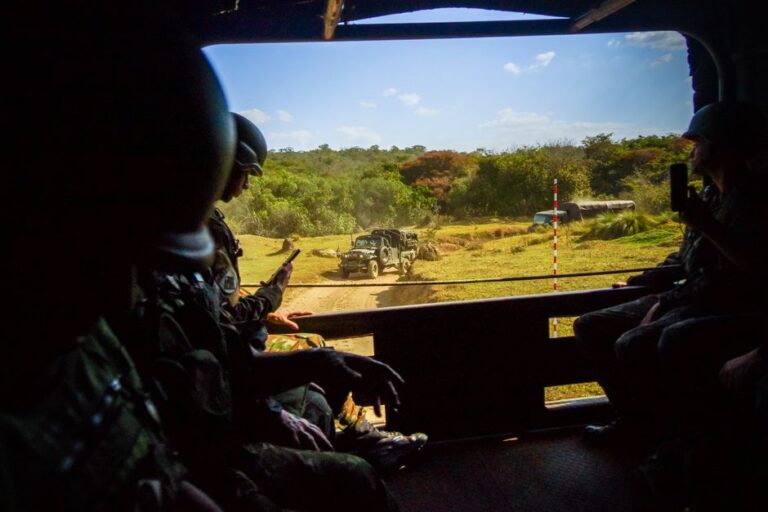
The United States has withdrawn its military personnel from Nigeria, concluding a joint operation launched against Islamic State affiliates in the country late last year. American and Nigerian forces had been working together since December on a counterterrorism mission that US officials have described as a success.
Background of the joint operation
The deployment marked a significant step in US counterterrorism engagement in West Africa, where extremist groups affiliated with the Islamic State have expanded their footprint in recent years. Nigeria, Africa’s most populous nation, has faced persistent security challenges from armed groups operating across the Sahel region, with concerns over the reach of Islamic State-linked factions in particular.
US military personnel had been stationed in Nigeria to support local forces through training, intelligence sharing, and operational assistance. The partnership was framed by Washington as a demonstration of its commitment to African-led efforts to combat violent extremism, while respecting national sovereignty.
Assessment of the mission
According to US statements, the operation achieved its core objectives, though specific outcomes and metrics have not been publicly detailed. The withdrawal signals a transition back to a more limited US military presence in the region, even as broader counterterrorism cooperation between Washington and Abuja is expected to continue.
Analysts note that while the immediate mission has concluded, the underlying security threats in West Africa remain a concern. The rise of extremist networks across the Sahel has drawn attention from international partners seeking to bolster regional capacity to respond to insurgency and cross-border militancy.
Implications for US-African security ties
The completion of the mission comes amid ongoing debates in Washington about the appropriate scale and scope of US military involvement in Africa. Supporters of targeted deployments argue that limited, advisory missions can strengthen local partners without entangling American forces in prolonged conflicts, while critics question the long-term effectiveness of such interventions.
For Nigeria, the end of the operation underscores the importance of building domestic capacity to address security threats independently, even as international partnerships continue to play a role in supporting those efforts.
The withdrawal of US troops from Nigeria reflects the evolving nature of American counterterrorism strategy on the continent, with an emphasis on shorter, mission-specific deployments rather than open-ended military commitments.
Source: BBC News — read the original report.