South Africa sees nationwide anti-migrant marches as thousands flee weeks of violence
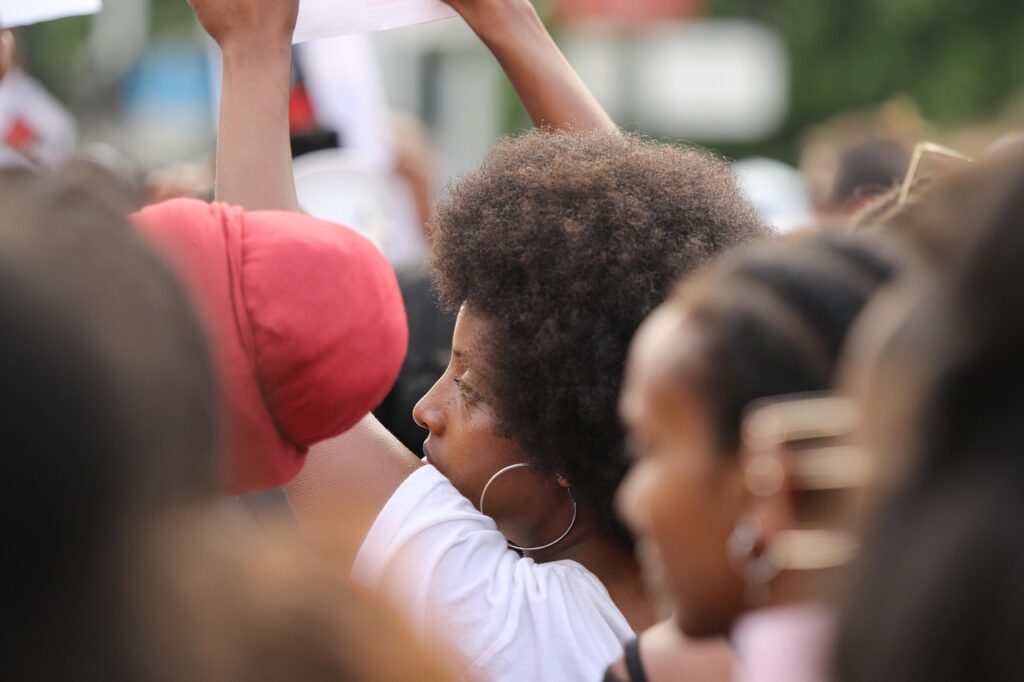
Thousands of demonstrators took to the streets across South Africa on Tuesday in coordinated marches calling for undocumented foreign nationals to leave the country, capping several weeks of citizen-led mobilisation that has triggered the displacement of thousands of people and left at least four dead. Police were deployed in force in major urban centres as the protests unfolded under an unofficial deadline set by organisers for foreigners without legal status to depart.
A coordinated nationwide action
The demonstrations, led by grassroots citizen movements that have organised local rallies for weeks, marked an escalation from smaller community actions into a synchronised national campaign. Organisers had circulated an informal deadline of June 30 for undocumented migrants to leave, framing the marches as a final pressure point. Police visibility was heightened in cities including Johannesburg, Pretoria and Durban, where businesses owned by foreign nationals have previously been targeted.
Displacement and a growing humanitarian toll
Over the past several weeks, the campaign of intimidation has driven thousands of foreign residents to seek shelter in temporary camps, community halls and across borders. Community organisations and aid groups have reported a steady rise in the number of displaced families, many of them from other African countries. At least four people have died in violence linked to the movement.
Regional reactions and political pressure
The protests have drawn attention from civil society groups and policy analysts across southern Africa, who have warned of the broader reputational and economic consequences for a country that has historically been a magnet for migrants from across the continent. Speaking with FRANCE 24, Fredson Guilengue, Senior Regional Programme Manager at the Rosa Luxemburg Foundation Southern Africa, discussed the structural conditions behind the recurring anti-migrant sentiment, including unemployment, inequality and frustration with public services, as well as the difficult balance authorities face in maintaining public order without inflaming tensions further.
Government response under scrutiny
South African authorities have consistently rejected the framing of the campaign as state-sanctioned and have stressed that immigration enforcement must follow due legal process. However, critics argue that the authorities’ reluctance to intervene more decisively in the early stages of the campaign allowed the movement to gather momentum. With thousands already displaced and tensions unlikely to ease in the short term, the marches are likely to deepen debate over migration policy, citizenship, and social cohesion in one of the continent’s largest economies.
Source: FRANCE 24 — read the original report.