South Africa: Examining the Legal Landscape Around Unvaccinated Children
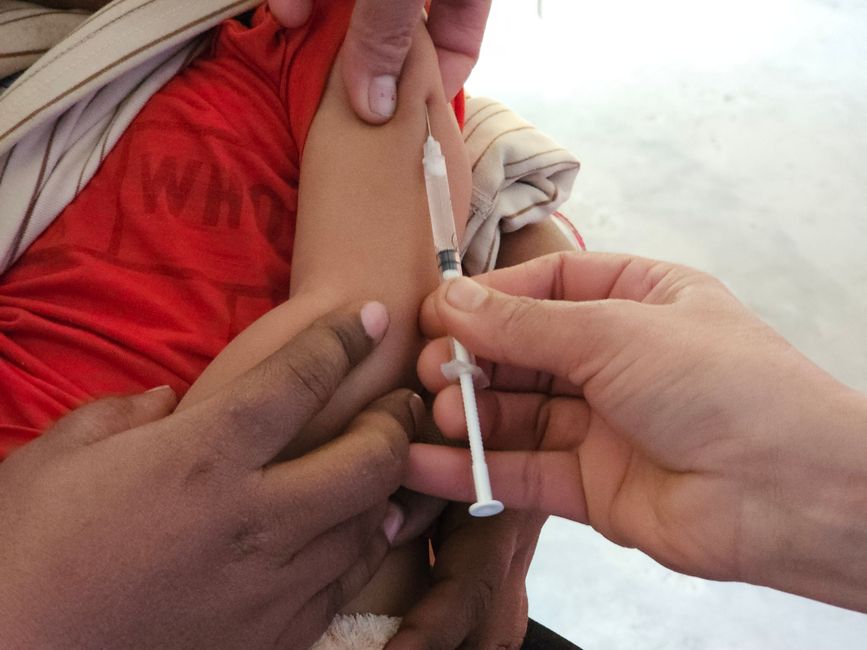
South Africa is once again grappling with the complex intersection of public health policy, parental rights, and legal responsibility as debates resurface over the consequences for families who do not vaccinate their children. With immunisation rates having fluctuated in recent years, questions are being raised about what legal exposure parents and guardians may face — and how the country’s child protection framework applies in cases where unvaccinated children contract preventable illnesses.
The Legal Framework
South African law places significant obligations on parents and caregivers to ensure the well-being of minors. The Children’s Act and the Constitution both emphasise the rights of children to proper care, protection, and access to health services. While the country does not currently impose criminal penalties on parents solely for refusing routine vaccinations, the broader duty of care can become legally relevant when a child’s health is placed at risk, particularly if that child then spreads a disease to others in schools or communities.
Public Health Context
Childhood immunisation remains a cornerstone of South Africa’s primary healthcare strategy, protecting against diseases such as measles, polio, and whooping cough. Health authorities have repeatedly warned that declining vaccination coverage can erode so-called herd immunity, leaving vulnerable populations — including infants too young to be vaccinated and immunocompromised individuals — exposed to outbreaks. The Department of Health has run several catch-up campaigns in recent years aimed at reversing dips in coverage reported after pandemic-era disruptions.
Growing Concerns Over Vaccine Hesitancy
Public health experts note that vaccine hesitancy in South Africa, as in many parts of the world, is driven by a mix of misinformation, mistrust rooted in historical inequities, and religious or philosophical objections. Civil society organisations and medical bodies have called for renewed public education efforts, arguing that misinformation continues to spread online faster than official communication can counter it. Some legal commentators have also suggested that clearer guidelines could help parents, schools, and healthcare workers navigate the tension between individual choice and collective safety.
What Lies Ahead
As discussions continue, the question of whether South Africa will move toward stronger enforcement mechanisms — such as mandatory vaccination policies for school entry, as adopted in several other countries — remains open. For now, the legal risks facing parents of unvaccinated children appear to be shaped less by explicit vaccine laws and more by the general principles of child protection and negligence that already exist within the country’s legal system. Any future policy shift is likely to be debated vigorously in parliament, in the courts, and across South African society.
Source: AllAfrica — read the original report.