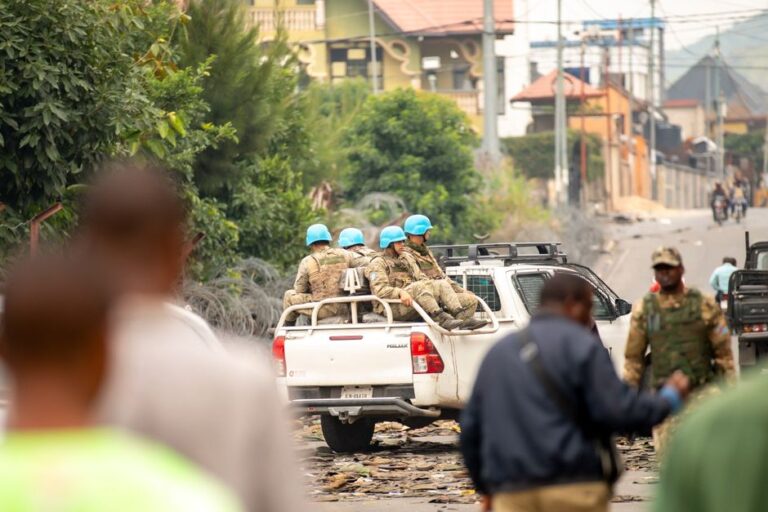
Former Central African Republic leader Bozizé faces war crimes trial in absentia
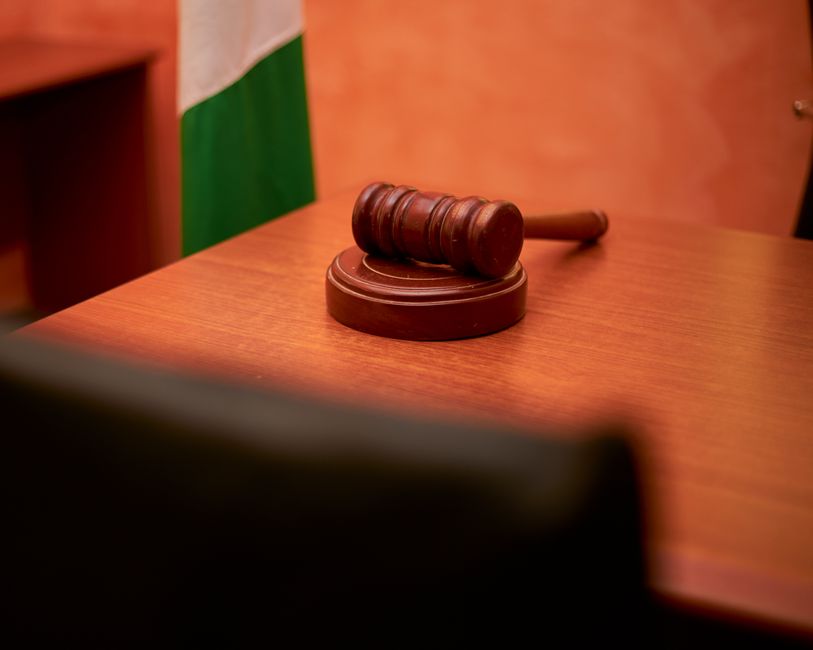
The United Nations-backed Special Criminal Court in the Central African Republic is set to open proceedings against former President François Bozizé, who will be tried in absentia on charges of crimes against humanity, according to court officials.
Bozizé, 79, came to power through a coup in 2003 and ruled the country for a decade before being ousted in 2013 by Seleka rebel forces. He has been living in exile in Guinea-Bissau since March 2023, a factor that has made his physical presence before the court impossible.
A hybrid court with international backing
The Special Criminal Court was established in 2015 as a hybrid tribunal, combining Central African judges and prosecutors with international legal staff, to address serious violations of international humanitarian law committed in the country since 2003. The court is supported by the United Nations and operates alongside the country’s domestic judicial system.
Trying suspects in absentia is permitted under the court’s statute when defendants are unreachable or have fled the country. Legal observers say such proceedings have become an important tool in addressing serious crimes when suspects remain abroad.
A history of conflict under scrutiny
The Central African Republic has endured cycles of violence since independence, with the 2013 crisis marking a particularly turbulent chapter. Bozizé’s tenure and the period surrounding his overthrow have drawn scrutiny from human rights organizations that documented widespread abuses by multiple armed factions.
The trial is expected to focus on events that occurred during and after Bozizé’s rule, including allegations of systematic attacks on civilians. Prosecutors have not yet publicly detailed the full scope of the charges.
Court officials have indicated that proceedings will continue regardless of the defendant’s absence, underscoring what they describe as a commitment to accountability for serious crimes committed in the country. The outcome of the trial could set a significant precedent for the court’s broader work in addressing decades of conflict in the Central African Republic.
Source: FRANCE 24 — read the original report.
More From Conflict & Security
MSF dismisses 18 staff members over sexual exploitation allegations involving Sudanese refugees in Chad
UN Report Singles Out Both Warring Sides in Sudan for Alleged Violations