UAE Emerges as Key Transit Hub for Mercenaries Flowing Into Sudan War, New HRW Report Alleges
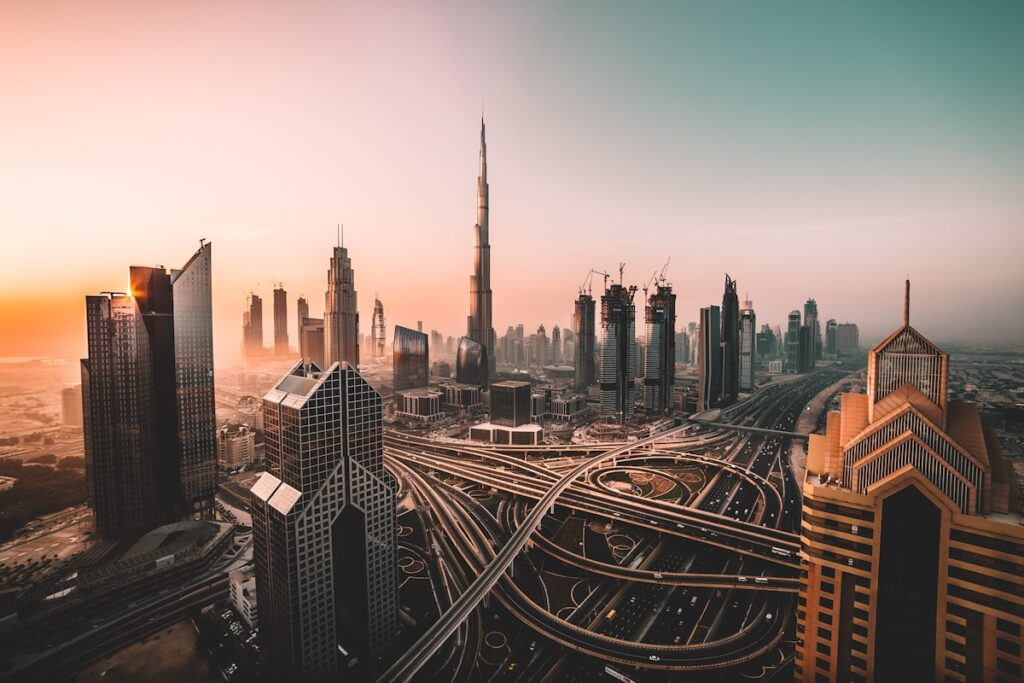
A landmark Human Rights Watch investigation published this week has identified the United Arab Emirates as a major logistical transit point for foreign fighters and mercenaries being deployed into Sudan’s grinding civil war, lending new weight to long-standing accusations that the Gulf state is deepening its involvement in the conflict through private military contractors.
The 67-page report, released on Monday, documents how hundreds of fighters — many of them recruited from Colombia, Congo, and Chad — have transited through UAE territory before being flown into Sudan to fight alongside the Rapid Support Forces, the paramilitary group accused of orchestrating widespread atrocities across the country since hostilities broke out in April 2023.
A Pipeline of Foreign Fighters
According to researchers who interviewed dozens of survivors, defectors, and witnesses, the UAE has served as an organizing hub where mercenaries receive travel documentation, payment advances, and military briefings before being dispatched to forward operating bases inside Sudan. HRW said it had identified at least 11 flights departing from UAE airports between late 2024 and early 2026 carrying fighters destined for RSF-aligned units.
The report details how Colombian nationals — many of them veterans of that country’s internal armed conflict — were recruited through private security firms registered in Dubai, offered monthly stipends of up to $3,000, and provided with forged Sudanese identity papers. Once inside Sudan, the fighters described being assigned to front-line combat roles in Darfur and the greater Kordofan region, where the RSF has been accused of systematic attacks on civilian populations.
“The UAE’s role is not incidental — it is structural to the pipeline that is keeping this war going,” said a senior HRW researcher who participated in the investigation. “Without the transit facilities, the financial infrastructure, and the diplomatic cover that the UAE provides, this flow of mercenaries would be far harder to sustain.”
Wider Geopolitical Dimensions
The findings deepen an already complex picture of foreign meddling in Sudan, where the conflict between the Sudanese Armed Forces and the RSF has drawn in neighbouring states, regional powers, and private military actors with competing agendas. While the UAE has publicly denied involvement in Sudanese internal affairs, a parallel UN panel of experts has separately documented evidence of Emirati weapons supplies reaching RSF positions through Chad and Libya.
The UAE has previously pushed back against similar allegations, calling them “politically motivated” and insisting the country does not deploy private military contractors. However, HRW said its findings were based on primary documentation, flight manifests, and verified testimony that pointed to “direct Emirati state involvement” in the vetting and forwarding of contractors.
Regional analysts say the UAE’s growing footprint in Sudan reflects a broader strategic competition in the Horn of Africa, where the federation has sought to extend its influence through port agreements, mining concessions, and security partnerships. Sudan sits atop significant reserves of gold and copper, and the RSF’s control of key mining zones has created a financial incentive structure that partly explains the continued flow of foreign fighters into the theatre.
Civilians Bearing the Brunt
The Human Rights Watch report coincides with mounting evidence that Sudan’s civilian population is bearing the most severe consequences of the war, now in its fourth year. The UN Office for the Coordination of Humanitarian Affairs estimates that more than 12 million Sudanese have been displaced — the largest displacement crisis in the world — while famine conditions have been officially declared in several regions of Darfur and Kordofan.
International pressure on the warring parties has intensified in recent weeks, with the African Union calling for an immediate ceasefire and the United States indicating it may impose targeted sanctions on individuals found to be obstructing humanitarian access. However, neither the SAF nor the RSF has shown willingness to enter substantive peace negotiations, and the prospect of a political resolution remains distant.
HRW called on the UAE to open its airports and security records to independent international investigators, and urged the UN Security Council to pursue a formal investigation into the alleged mercenaries pipeline. “Until the foreign fighters stop flowing, the war will not stop,” the report concludes.
More From Conflict & Security

The anxious money wait: Why African soccer fans dread payment disputes before major tournaments like the Fifa World Cup
How the US-Israel-Iran conflict is reshaping South Africa’s coal exports