Royal Air Maroc Grounds Dozen Routes as Fuel Crisis Bites Into Africa Aviation Sector
Royal Air Maroc Grounds Dozen Routes as Fuel Crisis Bites Into Africa’s Aviation Sector
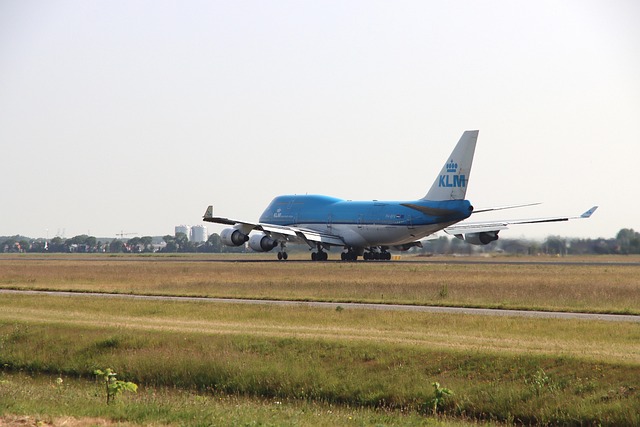
Royal Air Maroc, Morocco’s state-owned carrier and one of Africa’s most strategically important airlines, has announced the suspension of twelve international routes, the majority of them serving destinations in West and Central Africa, in a move that highlights the mounting pressure facing the continent’s aviation industry. The airline blamed the decision squarely on the soaring cost of jet fuel, which has risen sharply as global oil prices have been driven upward by the widening Middle East conflict and associated supply disruptions. The suspension is effective immediately and affects hundreds of passengers who had already booked travel on the affected routes.
Royal Air Maroc has long served as a critical bridge between Africa and Europe, operating out of its hub at Mohammed V International Airport in Casablanca. The airline flies to more African destinations than almost any other non-African carrier and has been central to Morocco’s strategy of positioning the kingdom as the continent’s gateway to the world — a strategy that was given additional momentum by the kingdom’s co-hosting of the 2026 FIFA World Cup alongside Spain and Portugal. Morocco has invested heavily in airport infrastructure in anticipation of a tourism surge, and Royal Air Maroc has taken delivery of new Boeing aircraft as part of a fleet expansion plan that was predicated on stable fuel costs and growing passenger demand.
The route suspensions are a setback at precisely the wrong moment. Africa has long struggled with aviation connectivity, with the International Air Transport Association repeatedly identifying the continent as having the highest air travel costs and the most fragmented regulatory environment of any region in the world. The Yamoussoukro Protocol, a 1988 agreement that aimed to liberalise African skies, has never been fully implemented, and national ownership restrictions on airlines continue to limit the emergence of viable pan-African carriers. In this context, Royal Air Maroc’s retreat from certain routes leaves a gap that smaller regional carriers cannot realistically fill — meaning fewer options and higher fares for passengers throughout the region.
The fuel price problem is not unique to Royal Air Maroc. Airlines across the continent are facing similar pressures, and several smaller carriers have already made difficult decisions about capacity and routes. The problem is structural as well as cyclical. African airlines typically purchase fuel in dollars but earn revenues in local currencies that have been depreciating against the dollar for years, creating a currency mismatch that amplifies the impact of any fuel price increase. Add to that the regulatory complexity of operating across multiple African jurisdictions, each with its own taxes, fees, and bureaucratic requirements, and the economics of African aviation become extremely challenging.
The Moroccan government has said it is in discussions with Royal Air Maroc about potential support measures, including temporary tax relief and a review of airport fees. But public finances are already strained by the infrastructure investment required for World Cup preparation, and the scope for direct subsidy is limited. For now, the routes remain suspended and passengers are being rebooked where alternatives exist. For Africa’s aviation sector more broadly, the episode is a reminder of how exposed the industry remains to global commodity shocks — and how far the continent still has to go in building a resilient, interconnected air transport system that can serve its people and its economies regardless of what is happening in oil markets or Middle Eastern geopolitics.
More From Conflict & Security

The anxious money wait: Why African soccer fans dread payment disputes before major tournaments like the Fifa World Cup
How the US-Israel-Iran conflict is reshaping South Africa’s coal exports