Township Beats to World Stages: How South African DJ Black Coffee Conquered Global Electronic Music
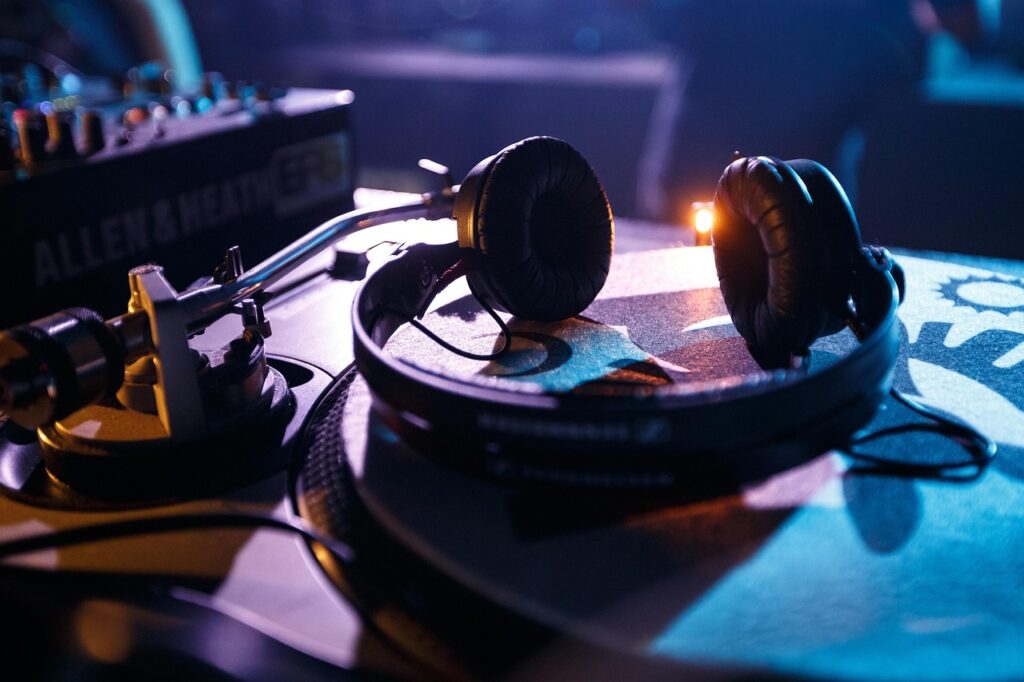
When DJ Black Coffee — born Nkosinomi Mphande — arrived at the Royal Albert Hall in London last week, he walked onto a stage that has hosted everyone from the Beatles to Beyoncé. What he did there was less a performance than a declaration: that Africa’s contribution to global electronic music is no longer a peripheral conversation — it is the conversation.
Performing alongside a full orchestra, Black Coffee fused his signature deep house sound with sweeping string arrangements, creating what critics called an overwhelming sensory experience and what audiences simply called unforgettable. The concert, which sold out within hours of tickets going live, was the latest in a series of international dates that have seen the South African DJ move from the township parties of East London to the headline slots at some of the world’s most prestigious venues.
A Sound Forged in South African Soil
Black Coffee’s journey is the story of South African music itself, distilled. He grew up in the township of East London, in South Africa’s Eastern Cape, where house music arrived in the 1990s as both soundtrack and refuge — a genre that offered young Black South Africans a space of freedom and self-expression in the aftermath of apartheid’s most grinding years. He began DJing at 15, drawn to the music’s capacity to create community in spaces where community was not always welcome.
His sound has always been rooted in the textures of South African life: the hypnotic rhythms of deep house, the melodic sensibilities borrowed from jazz and Afro-soul, and a sense of pacing that builds toward catharsis rather than delivering it immediately. What makes his recent international run so striking is not just the scale of the venues — Coachella, Glastonbury, a residency in Ibiza — but the way he is consistently reimagining what those venues can sound like when an African sensibility is placed at their center.
The Orchestra as Statement
The decision to perform with an orchestra was not merely aesthetic. It was a statement about the range and seriousness of African electronic music — a genre that is still, in many mainstream Western contexts, lumped into a vague world music category that flattens its complexity. By staging a live orchestral collaboration, Black Coffee was effectively arguing that his music belongs in spaces traditionally reserved for classical and Western popular music traditions.
It is a particular kind of ambition that has characterised South Africa’s best cultural exports for decades: the desire not just to participate in global conversations but to reshape them, to insist that the specific experience of South African Black life is not a footnote to a story defined elsewhere, but a story in its own right with its own center of gravity.
Africa at the Center of the Global Music Map
What Black Coffee represents is part of a larger shift. Over the past decade, African music — from Nigeria’s Afrobeats explosion to South Africa’s amapiano global spread — has moved from the margins to the center of global popular music. Streaming data shows African music growth rates that outpace almost every other genre globally, and major labels have scrambled to open offices in Lagos, Nairobi, and Johannesburg in response.
Within that movement, electronic music has played a quietly transformative role. It is, in many ways, the most transnational of Africa’s musical exports — a genre that travels through rhythm and texture rather than language, capable of communicating across cultural boundaries without requiring translation. Black Coffee, more than perhaps any other individual artist, has been the face of that translation.
For audiences at the Royal Albert Hall, the night ended with a standing ovation that lasted several minutes. For those watching from afar — young DJs in Lagos, producers in Nairobi, dancers in Kinshasa — the message was clear: the world is finally catching up to what African artists have known for a long time.