Aliko Dangote, Africa wealthiest individual and the continent most prominent industrialist, has delivered one of the starkest warnings yet about the nature of Africa financial relationship with China, arguing in an interview published on May 18 that Chinese lenders win in Africa not because of superior technology or better goods, but because they have mastered the use of credit as a tool of long-term strategic influence in a way African governments have consistently failed to anticipate.
The comments from Dangote, whose conglomerate spans cement, fertiliser, oil refining, and food processing across more than a dozen African countries, carry weight that few other private sector voices in Africa can match. He is a man who has negotiated infrastructure deals on every major market on the continent and who has both benefited from and been squeezed out of arrangements where Chinese capital was a factor. His assessment is accordingly hard-won.
The Credit Machine
Dangote core argument is straightforward: Chinese state-backed lenders offer financing packages that Western institutions cannot match in terms of speed, scale, and flexibility — but that flexibility comes with conditions that progressively erode the borrower autonomy. Projects are built by Chinese contractors using predominantly Chinese labour. Equipment must be sourced from Chinese suppliers where possible. The contracts are denominated in dollars or euros, meaning currency fluctuations in African national currencies create payment risks that borrowers often underestimate at the signing stage.
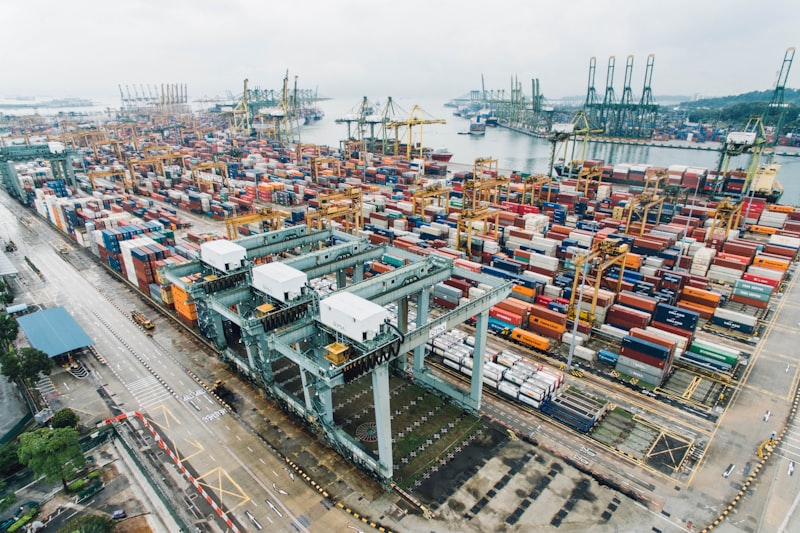
More insidiously, Dangote argues, the structure of Chinese loans frequently includes step-in rights — clauses that allow Chinese lenders to take over the operation of a project if the borrowing government falls behind on payments. In practice, this has meant that Chinese firms end up operating strategic infrastructure — ports, railways, toll roads — not just financing them. Once inside the asset, extracting them has proven extraordinarily difficult.
The Refinery Lesson
Dangote speaks from direct experience. His own 650,000-barrel-per-day Dangote Oil Refinery in Nigeria — the largest single-train refinery in Africa — was conceived partly as a statement of energy sovereignty, a project designed to end Nigeria dependence on imported refined petroleum products. It has since run into a complex web of currency access challenges, logistics bottlenecks, and regulatory headwinds that Dangote has attributed in part to the difficulty of operating outside a global financing ecosystem in which Chinese institutions have built deep relationships with the state-owned enterprises that serve as counterparties.
When the debate over where East Africa refinery should be sited — his preferred Mombasa location versus a competing proposal backed by the Kenyan government that would site it in Tanga, Tanzania — flared into public view in recent weeks, Dangote did not hold back. His argument was not merely commercial but geopolitical: the choice of port would determine which corridor of influence the facility served for the next three decades.
The Extent of the Challenge
African governments collectively owe Chinese state-backed lenders an estimated 170 billion dollars, according to data compiled by the Carnegie Endowment for International Peace. The loans are concentrated in a small number of countries — Angola, Ethiopia, Kenya, and Zambia account for the largest shares — and are overwhelmingly tied to infrastructure projects. The combination of high interest rates on dollar-denominated debt, declining commodity prices for many African exporters, and the strong dollar has created a servicing burden that is consuming an increasing share of government revenues.
Zambia, which completed a debt restructuring process in 2023, emerged with Chinese creditors taking a haircut of around 30 percent — less generous than the relief it secured from Western bondholders. Ethiopia experience negotiating with Chinese lenders during its 2023 programme with the IMF was marked by what debt analysts describe as a deliberate strategy by Chinese institutions to extract information about the country negotiating position before any formal restructuring had been agreed. Both cases have reinforced Dangote core argument: African governments need to understand what they are signing before they sign it.
The Path Forward
Dangote has not called for an end to Chinese financing — he is too pragmatic a businessman for that — but he has argued forcefully for a different approach to how African governments engage with it. Read every clause. Hire independent counsel. Understand what happens in the worst case, he said in the interview. Credit is a tool. It can build your country or it can own it. The difference lies in who understands the agreement better.
He has also called for a strengthening of African national development banks as an alternative financing anchor, arguing that domestic and continent-based financial institutions are better placed than external lenders to provide patient capital that aligns with long-term development goals rather than short-term political ones. The African Development Bank, under its current leadership, has been expanding its lending programmes — but Dangote argues the scale is still far below what the continent needs to create genuine counterweight to the credit architecture China has built over the past two decades.
Whether African governments are paying attention to his warnings remains to be seen. The temptation of large-scale, fast-disbursing credit for infrastructure is considerable, particularly for governments facing popular pressure to deliver visible results quickly. Dangote intervention may be most valuable as a warning about what is lost when the deal is signed rather than what is gained when the project is built.