
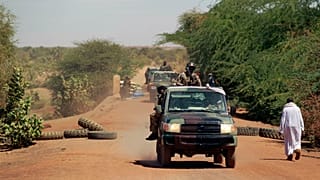
In a development that has cautiously raised hopes in the Great Lakes region, the Rwandan-backed M23 rebel group announced the withdrawal of its forces from several strategic positions in eastern Democratic Republic of Congo in mid-May 2026. The retreat, which came after weeks of sustained US diplomatic pressure, represents one of the most significant battlefield concessions from the rebel group since its latest resurgence began years ago.
The withdrawal was confirmed by multiple regional security sources and reported by Reuters, with the rebel forces pulling back from positions in South Kivu province — an area that has seen some of the fiercest fighting in the ongoing conflict. The timing is notable: the retreat occurred approximately two weeks after the United States imposed sweeping sanctions on former Congolese President Joseph Kabila, whom Washington accused of maintaining secret ties to M23 leadership.
Sanctions as a Diplomatic Lever
The sanctions on Kabila marked a significant escalation in Washington’s approach to the Congo conflict. For years, the US and European governments had issued statements criticizing Rwandan backing for M23 while taking limited concrete action. The decision to target a former Congolese president — rather than Rwanda itself — signaled a willingness to apply pressure across the board.
M23, whose full name is the AFC/M23, has been at the center of one of Africa’s most intractable conflicts. Rwanda’s involvement, though denied by Kigali, has been extensively documented by UN expert panels, which have traced weapons flows, troop movements, and command links back to Rwandan military structures.
Why This Retreat Matters
For civilians in eastern Congo, any reduction in fighting is welcome news. But analysts are careful not to overstate the significance of the current withdrawal. M23 has retreated before, only to regroup and launch new offensives. The group’s command structure remains intact, its external backing has not fundamentally changed, and the underlying grievances that fuel the conflict remain unresolved.
“The pattern we have seen repeatedly is that military pressure creates tactical retreats, but without a political settlement, the violence returns,” said one regional security analyst who spoke on background. “The question is whether this time there is something different — a genuine political process, not just a tactical pause.”
Whether the current ceasefire holds will depend on several factors: whether the sanctions regime on Kabila is sustained, whether Rwanda faces consequences for its backing of M23, and whether the Congolese government can be brought into a genuine inclusive dialogue.