Africa Makes Historic Mark at Venice Biennale 2026 With Record Four Debut Nations
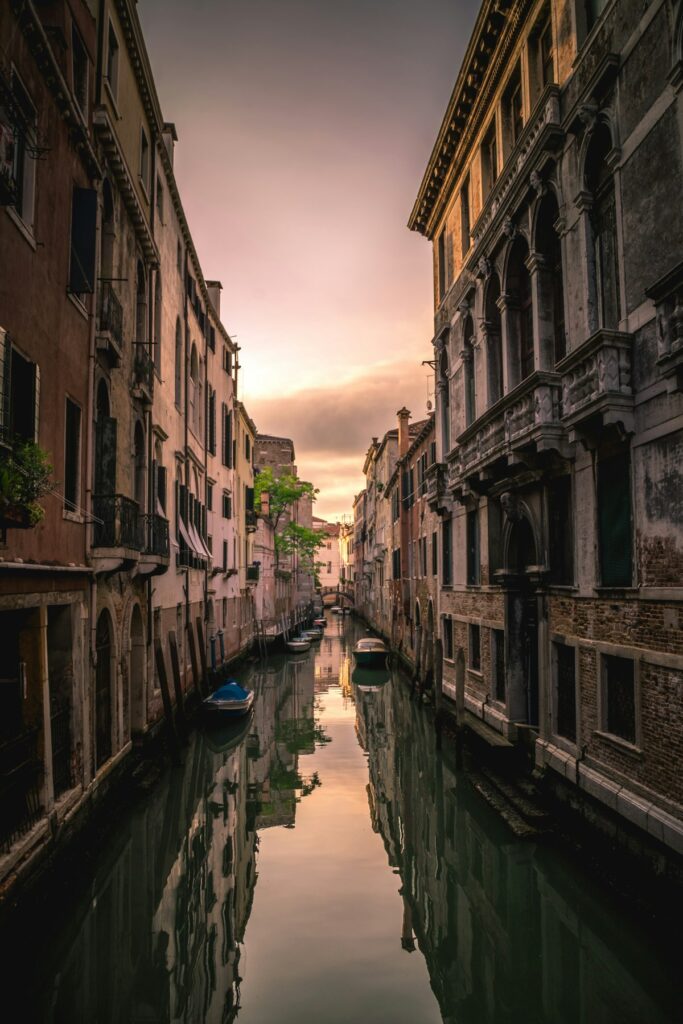
The 2026 Venice Art Biennale has opened with a striking display of African cultural presence, as a record thirteen nations from the continent host national pavilions — including an unprecedented four debut entries that mark the most significant expansion of African representation in the exhibition’s 131-year history. Guinea, Equatorial Guinea, Sierra Leone, and Somalia have each established their first-ever national pavilions at the world’s most prestigious contemporary art showcase, signaling a deliberate shift in how African soft power is projected onto global cultural stages.
The development is being celebrated by curators and cultural diplomats alike as a long-overdue recognition of the depth and diversity of artistic production across the continent. It also reflects years of advocacy by African art professionals who have argued that the Biennale’s historical European framing systematically marginalized artists from regions whose contributions to global modernism have been enormous yet consistently underacknowledged.
## Four Nations, Four Voices
Guinea’s debut pavilion, curated under the direction of a collaborative team based in Conakry and Dakar, presents a multi-channel installation exploring the intersections of oral tradition, Sufi spiritual practice, and contemporary visual language. The pavilion has drawn particular attention for its integration of community-generated content — including recorded conversations with Guinean artisans, musicians, and religious scholars — into an immersive environment that refuses easy categorization.
Equatorial Guinea’s entry, developed with support from cultural foundations based in Malabo and abroad, focuses on themes of maritime identity and ecological transformation along the nation’s Gulf of Guinea coastline. The pavilion’s physical design, incorporating sustainable materials sourced from the continental interior, has been praised for its material coherence with its environmental justice themes.
Sierra Leone’s pavilion draws on the country’s rich tradition of creativity and resilience, presenting a body of work that responds to the legacies of civil conflict, Ebola, and economic transformation. The curator’s decision to foreground emerging artists from Freetown and regional centers has positioned the pavilion as a platform for voices that have rarely had access to major international venues.
Somalia’s debut has been one of the most discussed entries of the opening week, presenting a group exhibition that addresses diaspora, memory, and the reconstruction of cultural identity in the aftermath of decades of conflict. Several works incorporate text in multiple scripts — Latin, Arabic, and Osmanya — reflecting the complex linguistic heritage of Somali cultural production.
## A Curatorial Shift at the Top
The 2026 Biennale is being curated under the direction of Koyo Kouoh, the Cameroonian curator whose appointment in 2024 made her the first African woman to lead the exhibition. Kouoh’s programming has been described as rigorous in its engagement with questions of geography, epistemology, and institutional power — and the expanded African presence is widely understood as a direct expression of her curatorial vision.
The “Africa Reframes the Biennale” initiative, which has accompanied the official programming, has brought panels, artist-led workshops, and collaborative research projects to venues across Venice. The initiative has been designed to create infrastructure for ongoing exchange rather than simply a momentary spectacle — a approach that reflects broader debates within the African cultural sector about the terms on which continental artists participate in global art worlds.
## Why National Pavilions Matter
The national pavilion format remains a cornerstone of the Biennale’s structure, even as critics have noted its anachronistic dimensions. For nations like Guinea, Equatorial Guinea, Sierra Leone, and Somalia, the debut of a national pavilion represents something more than a exhibition opportunity: it is a formal claim to presence in a global cultural conversation from which they have historically been excluded or边缘化.
The diplomatic dimension of hosting a pavilion at Venice is not incidental. Cultural diplomacy scholars have documented how participation in high-profile cultural events shapes international perceptions and opens channels of communication that complement formal diplomatic engagement. For African nations navigating an increasingly multipolar international environment, cultural positioning is a tool of statecraft as much as an aesthetic endeavor.
The 2026 Biennale runs through November 22, 2026, and will tour selected works to partner institutions in Africa following the Venice closing. For the artists and curators involved, the months ahead offer an opportunity to sustain the momentum generated by opening week — and to build relationships that outlast the spectacle.
More From Politics & Governance
London council seizes social housing flat rented by Sierra Leone first lady

At inaugural lecture, Prof Adeniyi calls for stronger digital governance amid technological shifts in migration