Nigeria Launches Africa’s First Twice-Yearly HIV Prevention Injection — A Game-Changer or a Promise Without Reach?

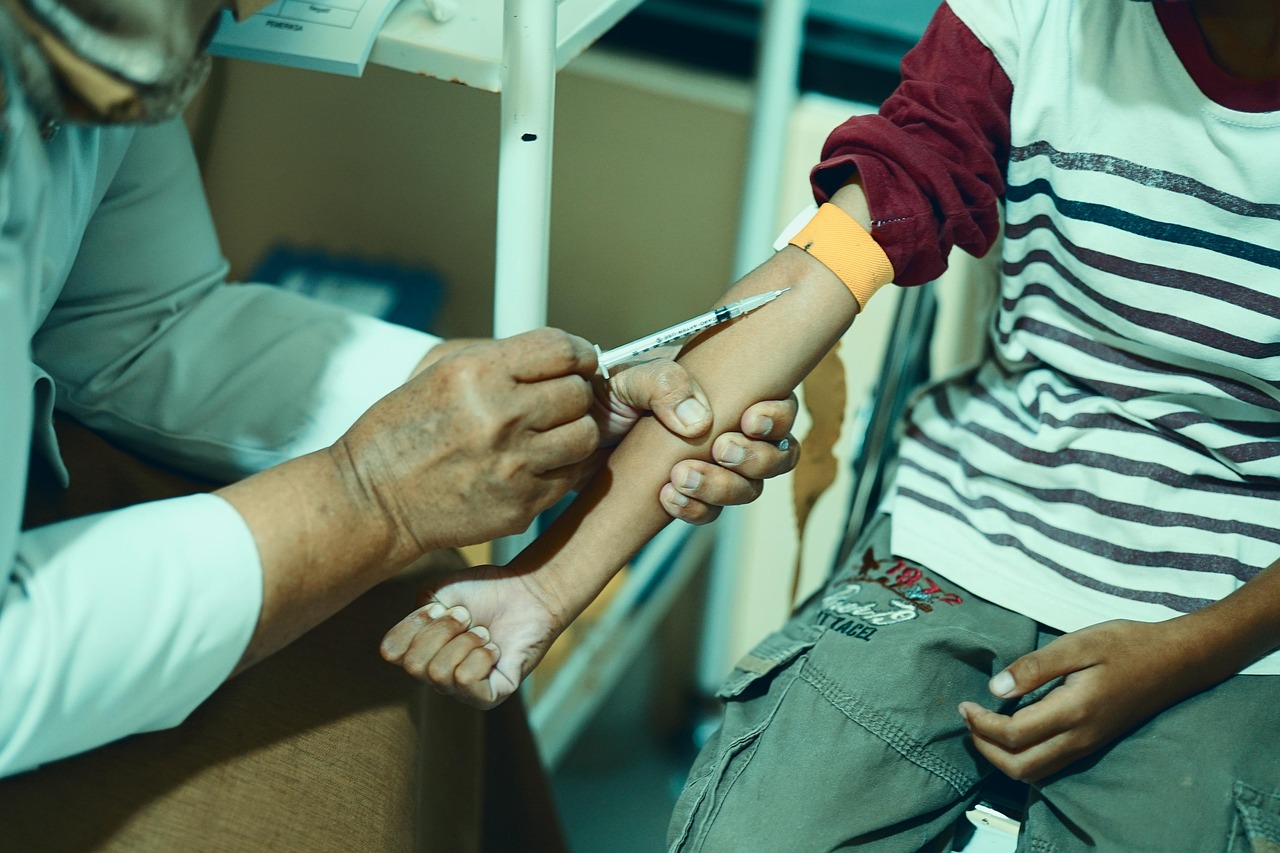
Abuja rolls out Lenacapavir, a twice-yearly jab that could transform HIV prevention — but implementation challenges loom large
Nigeria has become one of the first countries in the world to formally introduce Lenacapavir, a long-acting injectable drug for HIV prevention, administered just twice a year. The launch event in Abuja, themed “Flagging off the future of HIV prevention,” marked what health officials described as a transformative moment in the country’s decades-long fight against HIV/AIDS. But as the first recipients received their doses, questions are already emerging about how widely this breakthrough will actually reach the populations most in need.
Lenacapavir works differently from daily oral PrEP tablets, requiring only two injections per year. Adherence to daily medication has long been one of the biggest challenges in HIV prevention programmes across Africa, where stigma, forgetfulness, and structural barriers often interrupt treatment schedules. The promise of a twice-yearly jab is, in theory, a revolution — eliminating the daily routine and, with it, many of the opportunities for treatment interruption.
Speaking at the launch, Adedolapo Fasawe, Mandate Secretary for Health and Environment in the Federal Capital Territory, was clear about the drug’s purpose and limitations. “Lenacapavir is long-acting and is for the prevention of HIV/AIDS,” she said. “If you’re positive, the medicine doesn’t work… and may even be injurious to your health.” The emphasis on accurate testing before administration reflects a broader challenge in Nigeria’s HIV response: many people living with the virus remain unaware of their status, and stigma around getting tested remains widespread.
Nigeria is among nine early adopter countries selected by the Global Fund to introduce Lenacapavir, with the programme beginning in January 2026. The drug has shown remarkable efficacy in clinical trials, and global health advocates see it as a potential turning point in the fight to end new HIV infections among high-risk populations. Nigeria’s large population of people at elevated risk — including sex workers, men who have sex with men, and people who inject drugs — makes the rollout particularly significant for the region.
Yet the path from launch event to wide-scale impact is filled with obstacles. Cold chain storage requirements, the cost of scaling up testing infrastructure, and the need for trained healthcare workers to administer injections all present practical challenges in a country where the health system remains under-resourced. Nigeria’s roughly 200 million people include a disproportionately large share of those globally still waiting for HIV prevention tools, and the gap between what the drug can do in trials and what it will do in real-world conditions remains wide.
Health advocates are watching closely to see whether the government’s stated commitment to accessibility will be matched by the investments needed to reach beyond the pilot phase. Nigeria’s HIV response has historically been hampered by insufficient funding, inconsistent drug supply, and community outreach that fails to reach those most at risk. Whether Lenacapavir becomes a genuine turning point or simply another promising tool that reaches too few people will depend on decisions being made right now in Abuja and in the global funding rooms where Nigeria’s treatment programmes are sustained.