Mogadishu — The humanitarian crisis in Somalia has entered a dangerous new phase, with international aid withdrawals and ongoing conflict converging to deepen a food insecurity situation that relief agencies describe as the worst in years.
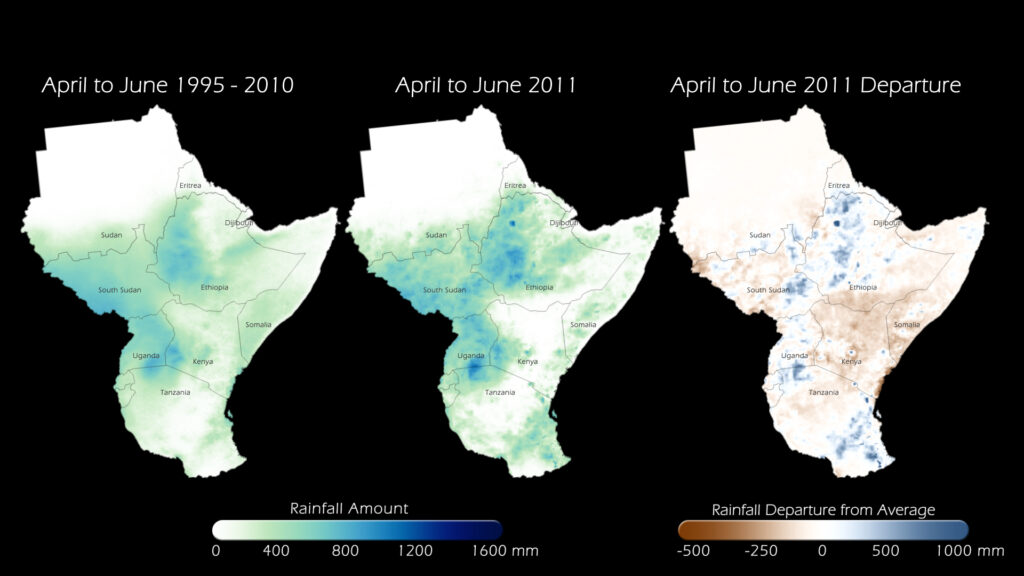
The drought, which has been building since late 2025, is not a singular event. It is the culmination of five consecutive seasons of failed rains across much of southern and central Somalia. Rivers have run dry. Crop yields have collapsed. Livestock deaths have mounted. And now, with international funding for humanitarian operations at a multi-year low, the agencies best placed to respond are cutting programs.
The Numbers Behind the Headlines
The UN World Food Programme estimates that 4.4 million Somalis are currently acutely food insecure, meaning they lack reliable access to enough food for a healthy life. Of those, 1.1 million are classified in “emergency” conditions — one step away from famine, the technical designation that carries the highest call to action from the international community.
The World Health Organization puts the number of children under five suffering from acute malnutrition at over 600,000. That number is climbing.
Humanitarian agencies have been warning since late 2025 that the situation was deteriorating faster than funding was arriving. Several major donors, facing domestic political pressures and competing crises in Gaza and Ukraine, reduced their Somalia allocations. The United Nations’ consolidated appeal for Somalia, which sought .3 billion for 2026, was funded at just 28% as of March.
Conflict as a Force Multiplier
The drought would be devastating on its own. What makes this crisis categorically more dangerous is the Al-Shabaab insurgency, which controls significant territory in southern Somalia and systematically blocks aid access to areas it holds.
Al-Shabaab taxes humanitarian operations, steals relief supplies, and has attacked convoys carrying food and medicine. The group has also prevented farming communities in its territory from accessing markets, effectively cutting off rural populations from any commercial food supply they might otherwise afford.
Somalia’s federal government, with the support of African Union forces, has been conducting operations against Al-Shabaab. The operations have had successes — territory has been reclaimed in parts of Hiran and Middle Shabelle. But the gains are slow, reversible, and do not immediately translate into humanitarian access.
The Camps That Were Already Full
Displacement camps in and around Mogadishu, Baidoa, and Dhusamareb were already operating well beyond capacity. They were built for tens of thousands. They now house hundreds of thousands. Water, sanitation, and health services have collapsed in several of the largest sites.
Aid workers report that families are arriving from the countryside in worse condition than they were two years ago. The journey is longer. The drought is worse. And by the time they reach the camps, they have already sold or eaten everything they own.
What the International Community Must Do
Humanitarian organizations are calling for three things. First, emergency funding to restore and expand feeding programs for children under five. Second, protected humanitarian corridors that allow aid to reach Al-Shabaab-controlled areas, even if that requires negotiation. Third, a significant diplomatic push to address the root drivers of the crisis — not just the symptoms.
The famine of 2011 killed 260,000 people. The world said “never again.” It was not an empty promise — significant reforms were made to the humanitarian system. But reforms do not save lives if they are not resourced. Somalia in 2026 is testing whether the world meant what it said.