ADF Rebels Committing War Crimes Across Eastern DRC, Major New Report Finds
Civilians in the eastern Democratic Republic of Congo are enduring a surge of horrific abuses at the hands of Allied Democratic Forces (ADF) fighters — abuses that amount to war crimes and crimes against humanity, according to a sweeping new report from Amnesty International.
The May 2026 report, titled “I’d Never Seen So Many Bodies: War Crimes by the Allied Democratic Forces in the eastern Democratic Republic of Congo,” documents killings, abductions, torture, recruitment of children, and systematic sexual violence carried out by the Islamic State-linked armed group across Ituri and North Kivu provinces.
## A Campaign of Brutality Against Civilians
Amnesty International researchers conducted in-person interviews with 61 survivors and witnesses in North Kivu in November 2025, painting a devastating picture of ADF attacks. Fighters have raided communities and farms, attacked medical facilities, looted homes, and set entire villages ablaze.
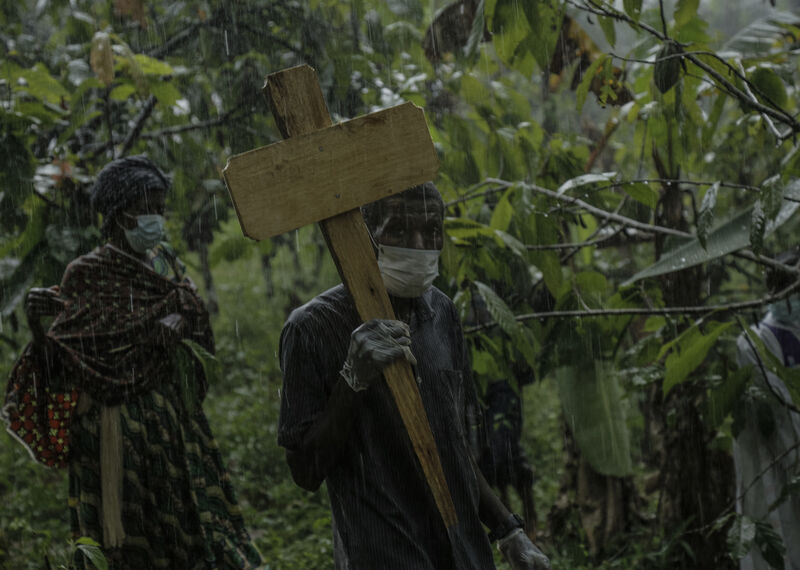
In one of the most chilling incidents documented, on September 8, 2025, ADF fighters disguised themselves as mourners and mingled among attendees at a wake in the village of Ntoyo before launching a sudden attack. Using hammers, axes, machetes, and guns, the fighters killed more than 60 people while security forces stationed nearby did not intervene. Witnesses described finding the bodies of family members — some shot, others struck with blunt weapons — and one survivor told researchers: “I had never seen so many bodies.”
The attacks have accelerated as international attention has shifted toward the M23 insurgency. “With the ADF able to exploit the diversion of troops and focus, civilians are paying the price,” the report states. Amnesty’s Secretary General Agnès Callamard said the abuses “constitute war crimes which the world must not continue to ignore.”
## Health Facilities Targeted, Children Recruited
Beyond killings, the ADF has systematically attacked healthcare infrastructure. In November 2025, a health centre in Byambwe was raided; at least 17 civilians were killed and four wards set on fire. A survivor who escaped by crawling out of the facility said: “You could not stand; they shot at anything that moved.”
The group has also recruited and used children as young as 10 in combat and support roles. Formerly abducted children, some as young as 13 when interviewed, recounted being forced to participate in attacks after receiving training. One young man abducted at age 14 said fighters taught him to kill with both weapons and blades.
## Sexual Violence and Forced Marriage
Women and girls abducted by the ADF were subjected to forced “marriage” — a euphemism for sexual slavery. Camp commanders gave wives to fighters as recruitment incentives. Six of seven women and girls interviewed by Amnesty said they became pregnant as a result. Those who attempted to refuse were threatened with death; several were forced to watch others killed as punishment.
Upon escape or release, survivors faced stigma, economic hardship, and inadequate access to specialized medical and reintegration support. One woman told researchers that pressure from her in-laws to kill the children she bore in captivity nearly drove her to suicide.
## Urgent Calls for Protection and Justice
Amnesty International is calling on the Congolese government to strengthen early warning systems, improve rapid-response capabilities, and ensure that security forces are present and responsive in at-risk areas. The organization is also urging the international community to increase support for civilian protection efforts and to fund long-term assistance programs for survivors.
“Survivors told us that peace and security must be urgently restored in the eastern DRC if they are to rebuild their lives,” Callamard said. The ADF, which originated in Uganda in the 1990s before establishing safe haven in DRC, was officially recognized by the Islamic State in 2019 and now operates as the Islamic State’s Central Africa Province.
The joint military operation between FARDC and Uganda’s UPDF, launched in November 2021, has failed to stem the group’s attacks. Communities on the ground say the violence shows no sign of abating.
Image: A volunteer holds a cross as a family member follows during a burial ceremony in Ntoyo, September 10, 2025. Credit: Seros Muyisa / AFP
More From Conflict & Security

The anxious money wait: Why African soccer fans dread payment disputes before major tournaments like the Fifa World Cup
How the US-Israel-Iran conflict is reshaping South Africa’s coal exports