Africa’s Telecom Towers Go Solar as Diesel Costs Skyrocket
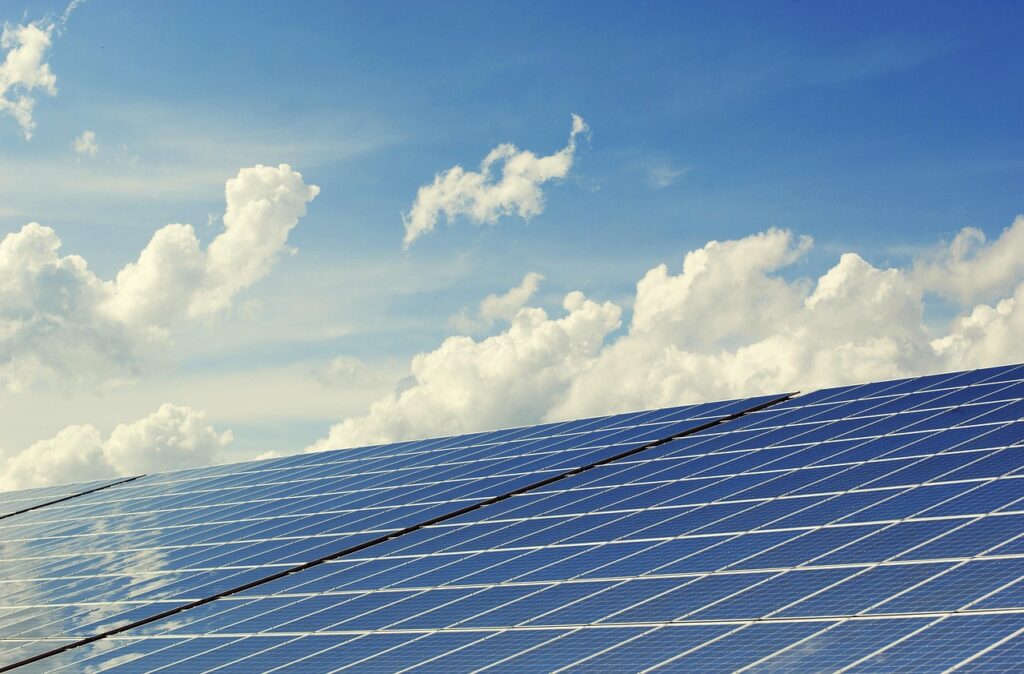
The way Africa connects is changing fast. Across the continent, the hundreds of thousands of cell towers that keep mobile networks alive are increasingly turning to solar power, driven by soaring diesel prices that have made traditional generator-powered sites prohibitively expensive to run.
Diesel currently powers the vast majority of Africas roughly 500,000 cell phone towers. But as global fuel markets have tightened — amplified by geopolitical tensions including the ongoing Iran conflict — diesel costs have surged dramatically, with some fuel-importing nations reporting severe shortages. The result is a continent-wide rethink of how telecom infrastructure gets its energy.
The Cost Crisis Pushing Operators Toward Solar
For telecom operators, energy is one of the biggest line items in running a tower — in remote off-grid areas, it can account for as much as 60 percent of total operating costs. With diesel prices spiking sharply over the past two years, companies have found themselves spending hundreds of millions of dollars simply keeping towers running.
Vodacom Africa reported a five percent rise in energy costs to 300 million in 2025. Safaricom raised more than 150 million through green bonds specifically to fund a transition to solar-powered infrastructure. American-owned Atlas Tower Kenya is investing 52.5 million to build 300 new solar-powered towers, adding to the 82 percent of its existing sites already operating on solar. Meanwhile, Airtel Africa has halved diesel use at some tower sites in Zambia and the Democratic Republic of Congo, and MTN South Sudan has cut fuel spending by 30 percent.
Energy costs for towers in remote areas can be absolutely crippling, said Lande Abudu of the GSMA, the global association of mobile operators. Diesel has always been a major cost, but recent global events have made it even more volatile. That strengthens the case for solar and hybrid solutions.
From Backup to Primary: Solar Becomes the Main Power Source
Across Africa, operators are rolling out systems that combine solar panels with battery storage and only limited diesel backup — and some are pushing further, targeting fully solar-powered sites, particularly in rural and underserved areas where fuel deliveries are logistically difficult and expensive.
Beyond the financial argument, solar power is improving reliability. Fuel shortages have caused significant network outages across northern Nigeria and parts of Congo, disrupting mobile money services, emergency communications, and essential daily connectivity. Solar-powered towers sidestep these fuel supply problems.
In rural Kenya, where Atlas Tower Kenya has been rolling out solar sites, residents have already noticed the difference. When these towers go off, business and life stop, said Martin Imwatok, a teacher in a small community near one of the new solar towers. Solar has made a real difference. The network just works.
A Broader Vision: Telecom Towers as Community Energy Hubs
Nigerias telecom regulator is now actively encouraging operators to integrate tower sites into solar minigrids that could also power nearby homes and businesses — essentially turning telecom infrastructure into community energy hubs. This model could be transformative in regions where national grid electricity remains unreliable or simply unavailable.
An Unavoidable Transition
Africas heavy dependence on diesel for telecom makes this transition both challenging and potentially transformative. With global fuel markets likely to remain volatile, industry experts say the shift toward clean energy for tower infrastructure is becoming unavoidable.
This is no longer just about climate, Abudu said. Its about resilience, cost, and keeping Africa connected. Solar gives operators a way to break free from fuel price volatility and deliver more reliable service. As diesel prices continue to fluctuate, solars predictable, sun-fueled free energy is looking like the smartest investment Africas telecom industry can make.