AI and Manufacturing Are Key to Africa’s Industrial Transformation, Milken Institute Finds

A new report from the Milken Institute identifies artificial intelligence and advanced manufacturing as the twin engines that could propel Africa’s long-deferred industrial revolution, provided the continent’s governments and private sector move decisively to harness them.
The report, released Monday, argues that Africa stands at a pivotal juncture. With a combined population projected to reach 2.5 billion by 2050 and a rapidly expanding workforce, the continent cannot rely on traditional development models borrowed from Asia’s manufacturing boom. Automation and AI offer a different path—one that could allow African economies to leapfrog conventional stages of industrialization.
“Africa doesn’t need to replicate the factory models of the 20th century,” the report states. “It can build something new: AI-augmented manufacturing ecosystems that are more agile, more inclusive, and more sustainable.”
The study highlights several promising developments. Kenya has emerged as a hub for AI-driven outsourcing and software development, with Nairobi’s technology district attracting over 2 billion dollars in venture capital over the past three years. Ethiopia’s industrial parks—equipped with modern automation systems—have begun exporting processed goods to European markets with preferential tariff treatment under the African Continental Free Trade Area.
Nigeria’s National Artificial Intelligence Strategy, launched in late 2025, has begun bearing fruit, with several domestic startups developing AI tools for agriculture, healthcare logistics, and financial inclusion. South Africa continues to lead the continent in industrial robot density, though it still lags global averages.
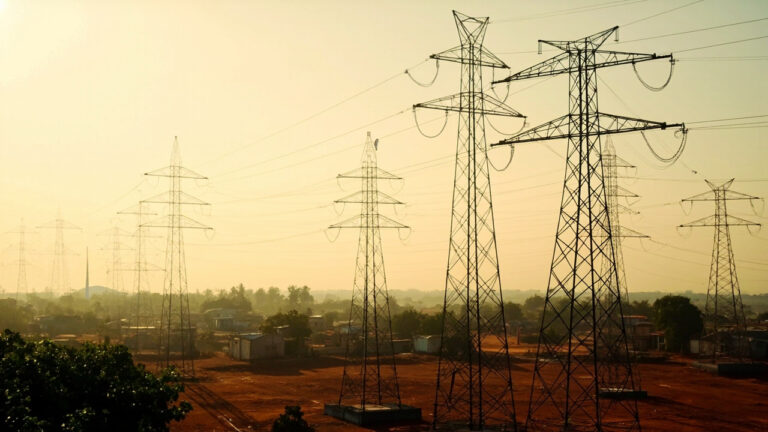
The report is not without its warnings. Africa faces a significant infrastructure gap—estimated at 170 billion dollars per year—that no amount of technological innovation can substitute for. Reliable power, broadband connectivity, and functioning transport networks remain prerequisites for any manufacturing renaissance. The report also flags the risk of a “digital divide” that could see AI benefits concentrate in a handful of economies while the rest fall further behind.
Education and skills development are highlighted as the critical bottleneck. The report recommends urgent investment in STEM curricula, technical vocational training, and partnerships between African universities and international technology firms.
“If Africa gets this right, the payoff is enormous—not just for Africans but for global supply chains seeking diversified, resilient bases of production,” the report concludes. “If it gets it wrong, the opportunity cost may be measured in generations.”