Sudan’s RSF Drone Strikes Return to Khartoum, Killing Five Civilians

The Background
On May 2, 2026, a drone strike carried out by the Rapid Support Forces (RSF) paramilitary group killed five civilians in Sudan’s capital, Khartoum. The attack was reported by Emergency Lawyers, an independent legal organisation supporting victims of human rights violations in Sudan. It was the second drone strike on the capital within a week, following months of relative calm after government forces reclaimed control of the city in late 2025. The Sudanese military government had declared Khartoum “completely free” of RSF forces after a sweeping counteroffensive last year, but the latest strike demonstrates that the paramilitary retains the capacity and willingness to strike deep into the capital. Nearly 700 civilians were killed in drone strikes in the first three months of 2026 alone, according to UN figures.
Why It Matters
The resurgence of RSF drone strikes on Khartoum is significant for several reasons. First, it breaks the tenuous peace that had taken hold in the capital, where more than 1.8 million displaced residents had begun returning and the airport had resumed domestic flights. The psychological and physical toll of resumed attacks undermines confidence in the government’s ability to protect its people. Second, the scale of civilian casualties — nearly 700 in three months — reflects a systematic pattern of disregard for international humanitarian law that the international community has failed to check. Third, the RSF’s continued ability to conduct drone operations suggests it retains significant resources and command-and-control capacity despite its battlefield losses. The attack on a hospital in the Jebel Awliya area on April 29, around 40 kilometres south of central Khartoum, further illustrates the expanding radius of RSF threats.
What This Means
The RSF’s renewed strikes on Khartoum signal that despite losing territorial control in the capital, the paramilitary remains a formidable threat capable of projecting force deep into government-held areas. The targeting of civilian infrastructure, including hospitals, compounds what was already one of the world’s worst humanitarian crises. With 14 million people displaced and two-thirds of Sudan’s population in urgent need of humanitarian support, the resumption of urban strikes complicates aid delivery and delays reconstruction. For the Sudanese government, the attacks expose the limits of its military victory: holding ground is one thing, ensuring safety is another. For the international community, the pattern of impunity — with no meaningful accountability mechanism for RSF violations — risks normalising the systematic targeting of civilians. The trajectory points toward a prolonged, fragmented conflict with no near-term resolution in sight.
Source: Al Jazeera
More From Conflict & Security
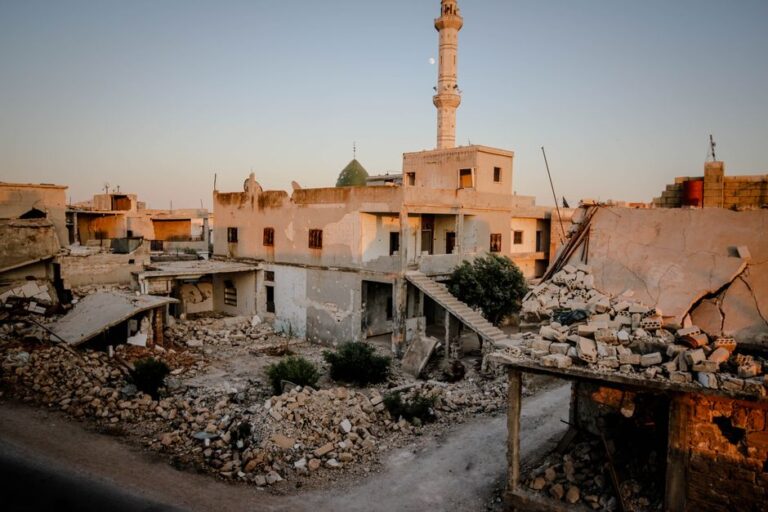
Sudan’s El-Obeid under intensifying drone strikes as army and RSF clash over key city

Liberia destroys over four tons of cocaine in major anti-trafficking operation