The World Meteorological Organization (WMO) confirmed Friday that climate models point to a return of the El Niño weather pattern by mid-2026, with early indicators already showing warming sea surface temperatures in the central and eastern Pacific.
For East Africa — a region that experienced devastating flooding and displacement during the 2023-2024 El Niño event — the announcement brings back painful memories of crops destroyed, livestock lost, and millions pushed into acute food insecurity.
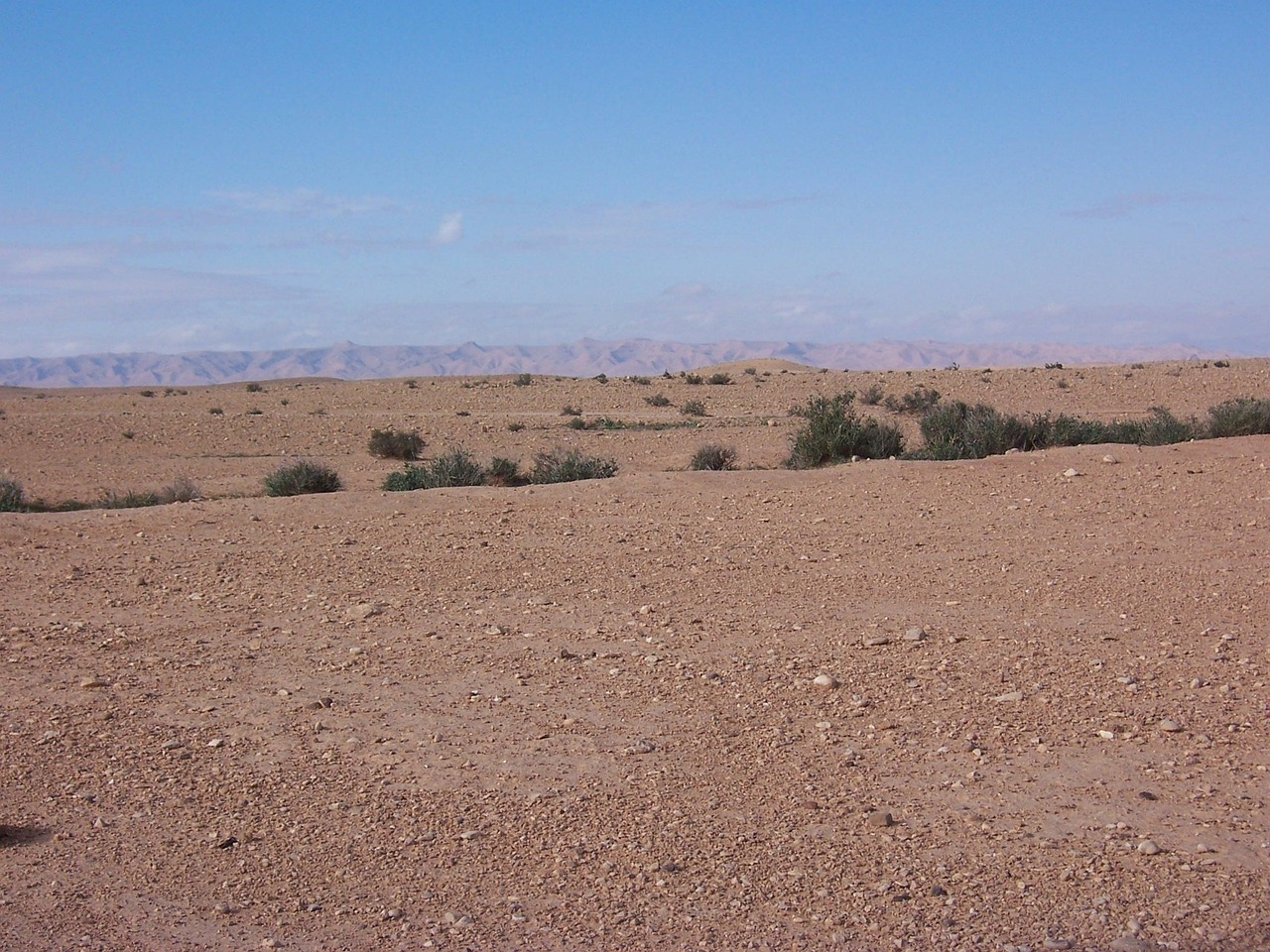
The Horn of Africa, which includes Somalia, Ethiopia, Kenya, and parts of Tanzania, is particularly exposed. During previous El Niño events, the region has experienced everything from torrential rains causing riverine flooding to extended dry spells that wipe out pastoralist herds and decimate agricultural yields.
The United Nations Office for the Coordination of Humanitarian Affairs (OCHA) has already pre-positioned emergency supplies in Mogadishu, Addis Ababa, and Nairobi, but officials warn that funding gaps could severely limit the scale of any response. The Global Humanitarian Appeal for the Horn of Africa remains less than 40 percent funded.
‘Our people are already exhausted. If the long rains fail again, we will see another displacement crisis on top of the one we are still managing from the last drought,’ said Halima Duba, a pastoralist coordinator in Wajir County, Kenya.
Climate scientists are increasingly noting that the frequency and intensity of El Niño events may be changing, with some models suggesting that anthropogenic climate change is altering the baseline conditions that give rise to the pattern.
The WMO statement urged all affected governments to activate their national meteorological contingency plans and begin public awareness campaigns, particularly in rural agricultural zones where early-warning systems remain weak.